Technology · Business · A ten-part series
Nvidia: The Business and Its Partners
How Nvidia makes its money, the businesses that buy and use its technology, and what a change in leadership means for the relationships built over three decades.
The ten parts
10 of 10 published
- 01
 Read article
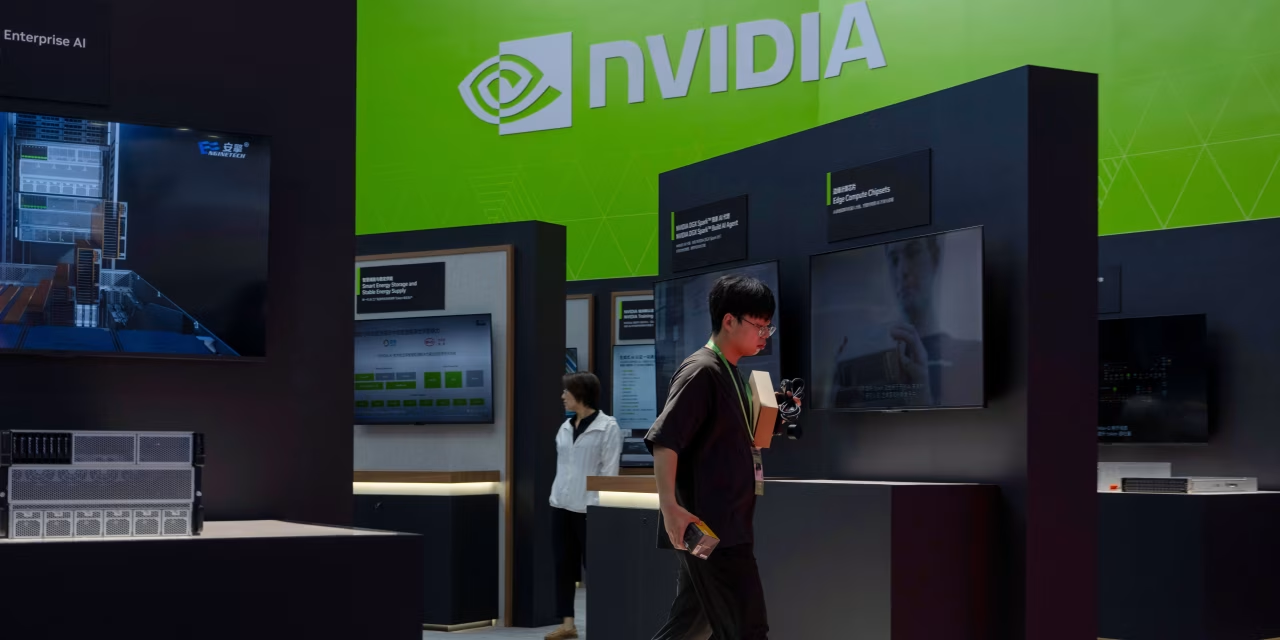
How Nvidia Makes Its Money
Data centres account for almost 90 per cent of Nvidia's annual revenue. Its financial statements show how the AI boom has reshaped the business.
- 02
 Read article
Nvidia's Major Customers and Supply Chain
Nvidia's biggest commercial relationships cannot be understood from headlines about AI developers alone. A closer look at direct customers, manufacturers and cloud providers explains why.
- 03
 Read article
Nvidia's Business Beyond AI
Gaming, professional graphics and automotive technology now account for a small share of Nvidia’s sales. They still explain how the company built its capabilities — and where it may grow next.
- 04
 Read article
Nvidia and OpenAI: Inside the Partnership
The companies announced a proposed 10-gigawatt infrastructure programme and up to US$100 billion in Nvidia investment. The scale is extraordinary; the commercial terms and delivery milestones matter even more.
- 05
 Read article
How xAI Built Its Computing Infrastructure Around Nvidia
The Colossus project in Memphis assembled an enormous Nvidia-powered computing cluster at unusual speed. Its story shows why GPU scale depends just as much on networking, power and cooling.
- 06
 Read article
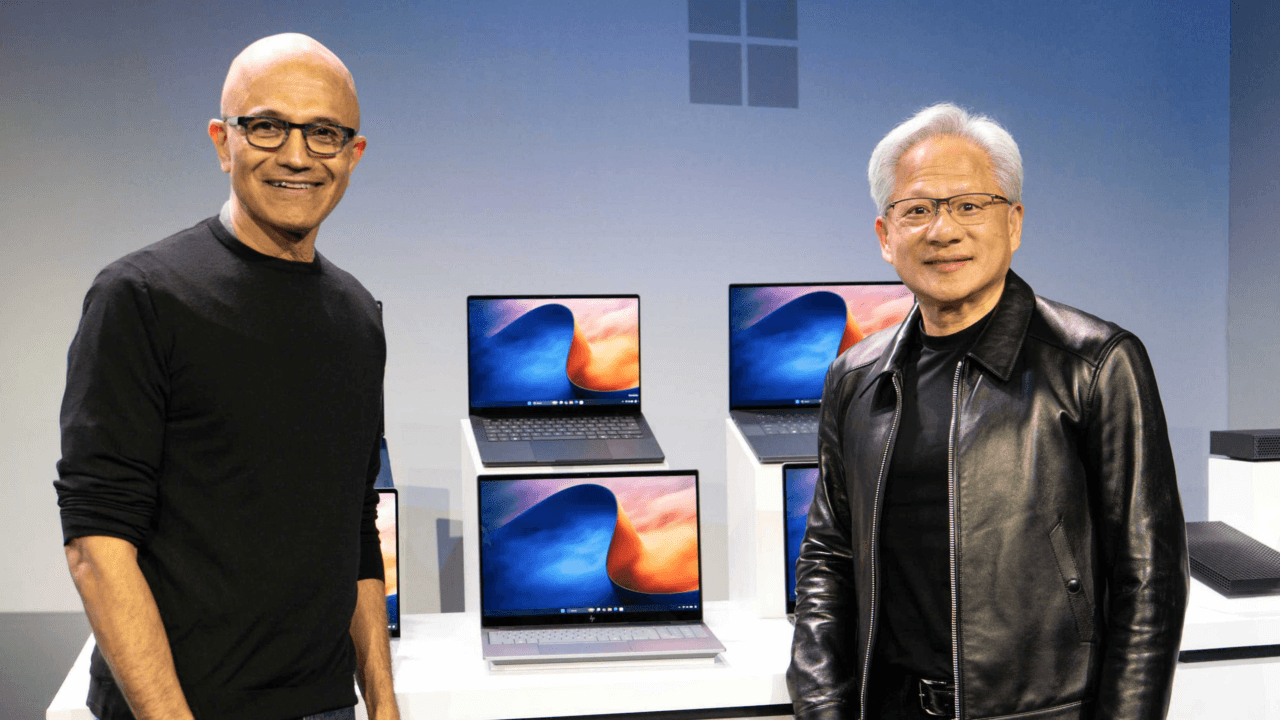
Microsoft and Nvidia: A Longstanding Technology Partnership
Azure is a major route through which businesses rent Nvidia-powered computing. The relationship spans cloud hardware, developer software and Windows — while Microsoft also develops its own alternatives.
- 07
 Read article
Meta's Relationship with Nvidia and Its AI Plans
Meta has committed to a multiyear rollout involving millions of Nvidia GPUs, new CPUs and networking systems. Its dependence on computing infrastructure reflects the economics of both AI and its existing platforms.
- 08
 Read article
Nvidia's Business with Amazon and Oracle
AWS and Oracle are both expanding Nvidia-powered cloud infrastructure, but their product strategies, investment commitments and customers differ. The relationship is more complex than a simple order for chips.
- 09
 Read article
Apple, Google and the Alternatives to Nvidia
Google's expanding TPU business and Apple's custom silicon show why the AI chip market cannot be understood as Nvidia against everyone else. The right hardware depends on the workload and who controls the software.
- 10
 Read article
Nvidia's Leadership Change and Its Commercial Relationships
Colette Kress has taken interim charge after Jensen Huang's resignation. Nvidia's immediate test is whether its engineers, customers, suppliers and partners can maintain continuity while the board chooses a permanent leader.