Part 6 · Analysis
Microsoft and Nvidia: A Longstanding Technology Partnership
Azure is a major route through which businesses rent Nvidia-powered computing. The relationship spans cloud hardware, developer software and Windows — while Microsoft also develops its own alternatives.
 Harbour Creative Team
4 min read
Harbour Creative Team4 min read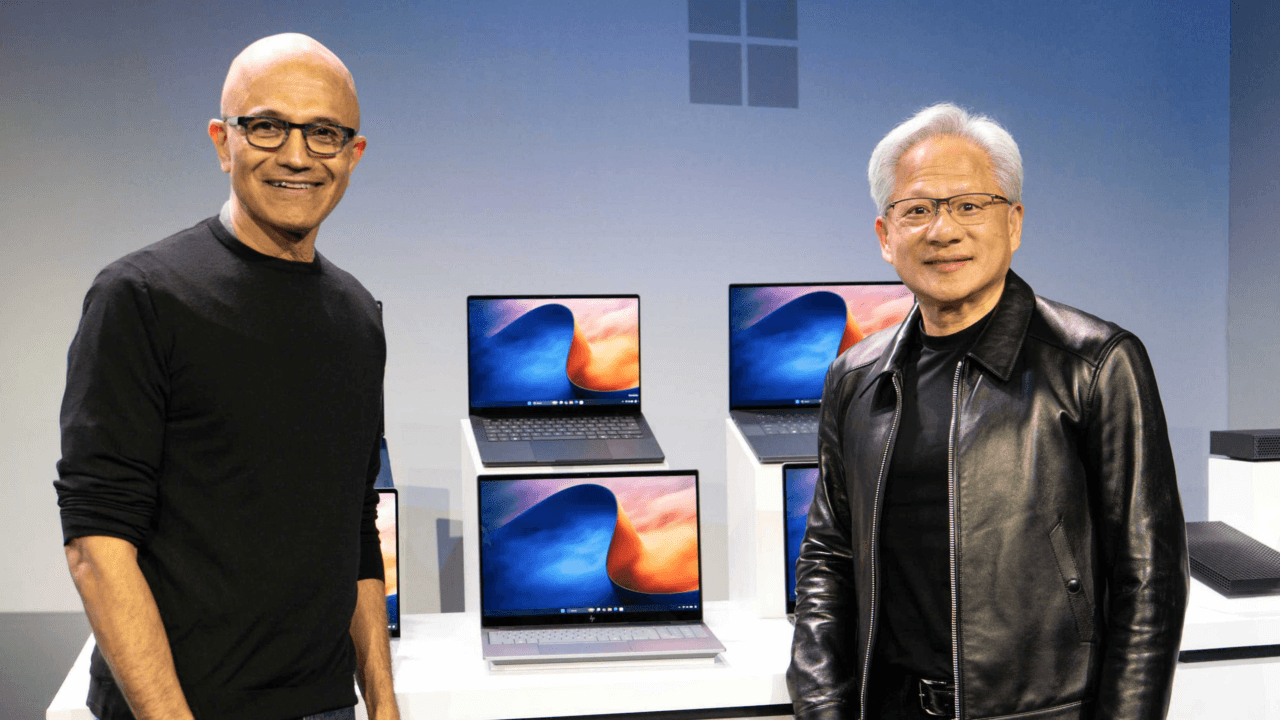
Part six of Nvidia: The Business and Its Partners.
Microsoft and Nvidia have worked together across several generations of computing technology. Their commercial relationship extends from graphics on Windows PCs to some of the world's largest installations of AI computing in Microsoft Azure.
The arrangement is often described simply as Microsoft buying Nvidia GPUs. That misses much of the business. Microsoft designs and operates the cloud service. Nvidia designs hardware, networking and software. Organisations then rent capacity on Azure to train models, run applications or carry out technical work.
For users, the immediate customer relationship may be with Microsoft, even if the computing they access relies on Nvidia processors.
How Azure turns hardware into a service
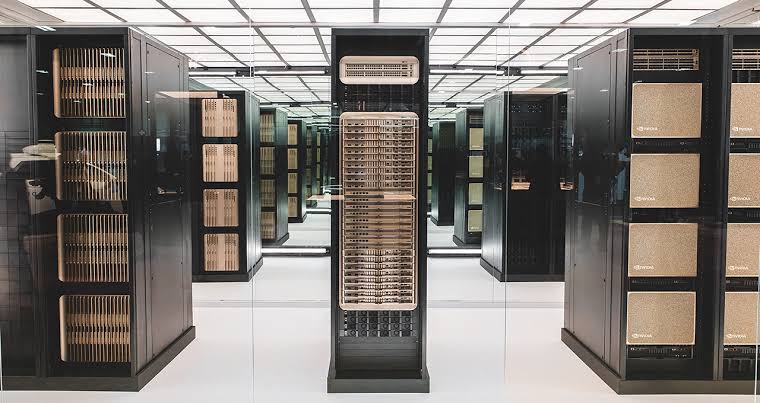
Cloud operators combine processors, networking, power, storage and software into services their customers can rent.
Azure provides a range of GPU-backed computing services, including infrastructure based on Nvidia's accelerated computing platforms. Nvidia hardware is one input among many required to deliver a usable service.
Microsoft must build or procure facilities, manage cooling and electrical capacity, configure networking, secure customer workloads and support reliable access. Nvidia provides components and software that customers may specifically require for AI training and inference.
The two companies are therefore connected by product development and operational requirements, not merely individual invoices.
The distinction becomes especially important when considering Nvidia's customer concentration disclosures. The FY2026 filing states that two unnamed direct customers each contributed 22 and 14 per cent of revenue. Public collaboration with Microsoft does not allow readers to assign either percentage to Microsoft.
Microsoft's AI business has multiple layers
Microsoft sells infrastructure through Azure, offers development tools and provides AI features inside software products. A corporate customer could use Nvidia-powered Azure systems directly or encounter AI in an application without ever choosing a GPU.
There are also complex relationships with AI developers. A company such as OpenAI may use infrastructure associated with cloud partners and other computing providers. Contracts for access to computing, ownership of a facility and the original purchase of Nvidia equipment are separate commercial events.
Treating all such spending as the same Nvidia revenue would inflate and confuse the underlying economics.
A partnership that also reaches personal computers
The companies' work also extends to local AI computing, developer platforms and Windows devices.
In May 2026, Nvidia and Microsoft announced closer cooperation on RTX Spark systems and a Windows environment for running AI agents locally. The announcement described compatibility with the Nvidia CUDA and RTX ecosystem and Microsoft software.
This is a reminder that Nvidia's relationship with Microsoft predates the current spending on giant AI clusters. Windows remains a central environment for users of GeForce and professional graphics hardware, while Microsoft has an interest in the computing devices and tools that businesses use every day.
Not every announced product will reach the same market size. A new machine or reference design has to attract developers, buyers and software support before its commercial importance can be measured.
Why Microsoft is not dependent on a single supplier
Large cloud providers have strong incentives to evaluate alternatives. They purchase computing at enormous scale and must manage costs, supply and performance. Microsoft has worked on internally designed AI accelerators as well as using chips supplied by Nvidia and other companies.
The presence of those alternatives does not mean Microsoft will abandon Nvidia. Different workloads may favour different chips, and customers may demand access to Nvidia's CUDA ecosystem even when another accelerator offers a lower operating cost.
The relationship therefore combines long-term cooperation with a commercial need for negotiating flexibility.
What changes after Jensen Huang
Nvidia's November 2026 leadership transition creates a new senior counterpart for Microsoft's executives. Colette Kress is serving as interim chief executive while the board searches for a permanent leader.
A major cloud relationship is sustained by engineering teams, support arrangements, production schedules and contracts. It would be speculative to say it must weaken because one executive has departed.
The meaningful questions concern delivery commitments, product transitions, pricing, software compatibility and the capacity of each company to keep improving its infrastructure.
What this means in Australia
Australian customers often obtain access to GPU computing through cloud subscriptions rather than direct equipment purchases. Their exposure to Nvidia may be indirect, expressed through Azure prices, availability and the software required by applications.
The Microsoft relationship illustrates an important feature of Nvidia's position: the company supplies technology at the foundation of services that are sold under someone else's brand. That increases its reach while placing the day-to-day customer relationship in the hands of the cloud operator.
The next part examines another enormous buyer of computing capacity, Meta, whose AI needs are closely tied to its own consumer services.
Reporting note: Public partnership announcements are evidence of collaboration, not verification of unpublished contract values or the identity of Nvidia's largest direct customers.
Sources and background: Nvidia and Microsoft on RTX Spark and Windows, May 2026 · Microsoft Azure Nvidia partnership overview · Nvidia FY2026 Form 10-K
About this article
This article provides analysis and interpretation of available information. Sources and supporting material, where applicable, are linked within the article.
Found an error? Contact the editorial desk. See our editorial standards and corrections policy.
From the Harbour Creative Blogs archive
Keep exploring this story
Related reporting, people and places from our published coverage. These are editorial connections, not a popularity ranking.
Subject
AI infrastructure
The data centres, chips, electricity and investment behind advanced artificial intelligence.
Company
Nvidia
The chipmaker at the centre of global AI investment: its revenue, products, leadership, customers and commercial relationships.
Company
Microsoft
Cloud computing, Windows, workplace software, AI investment and the consequences for Australian businesses.