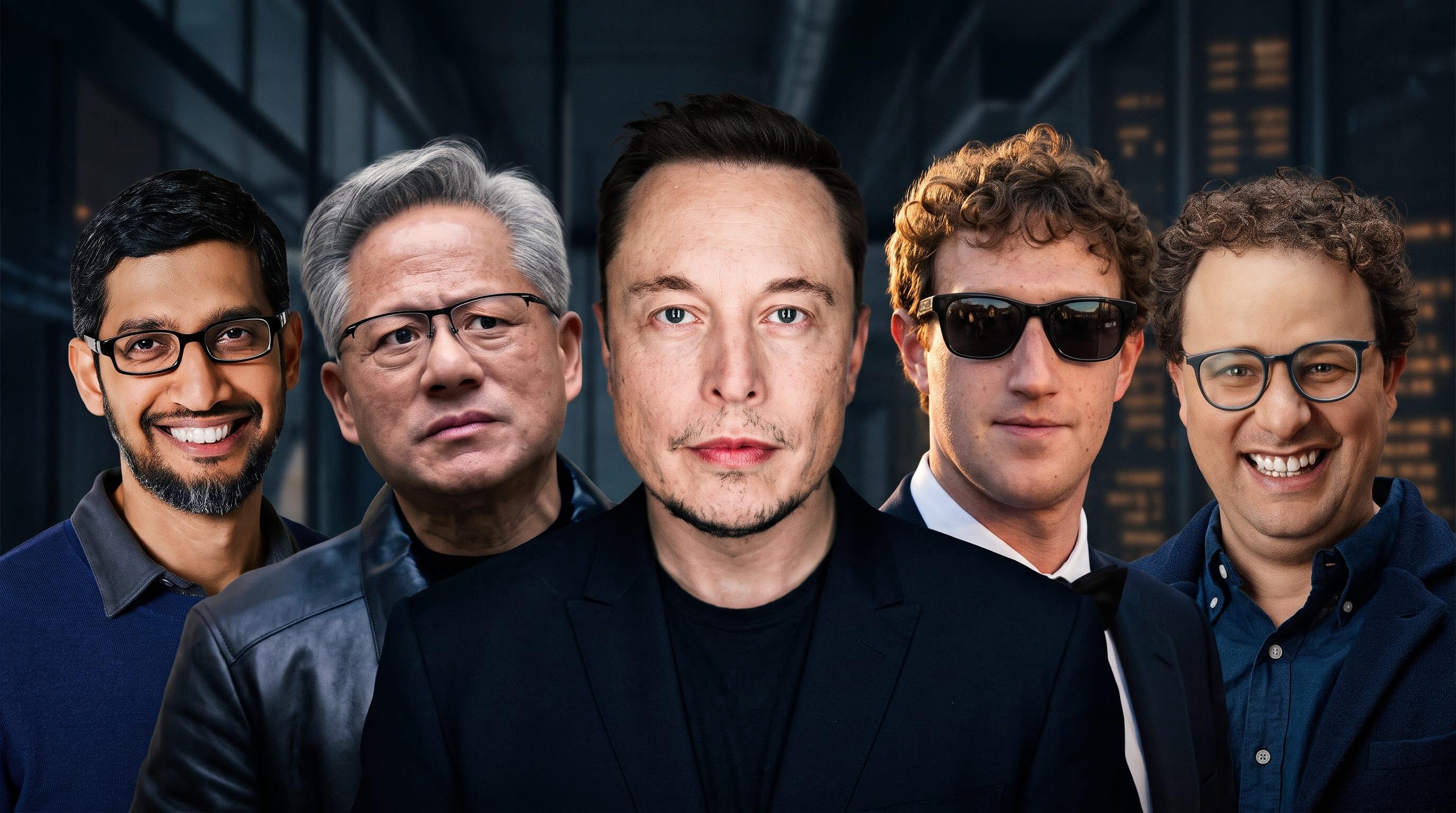
What Nvidia's Customers Need to Know After Jensen Huang's Exit
The founder has left, but the chips, software and data-centre projects used by Nvidia's biggest customers remain. The next test is delivery and confidence, not the drama surrounding the departure.
 Harbour Creative Team
4 min read
Harbour Creative Team4 min read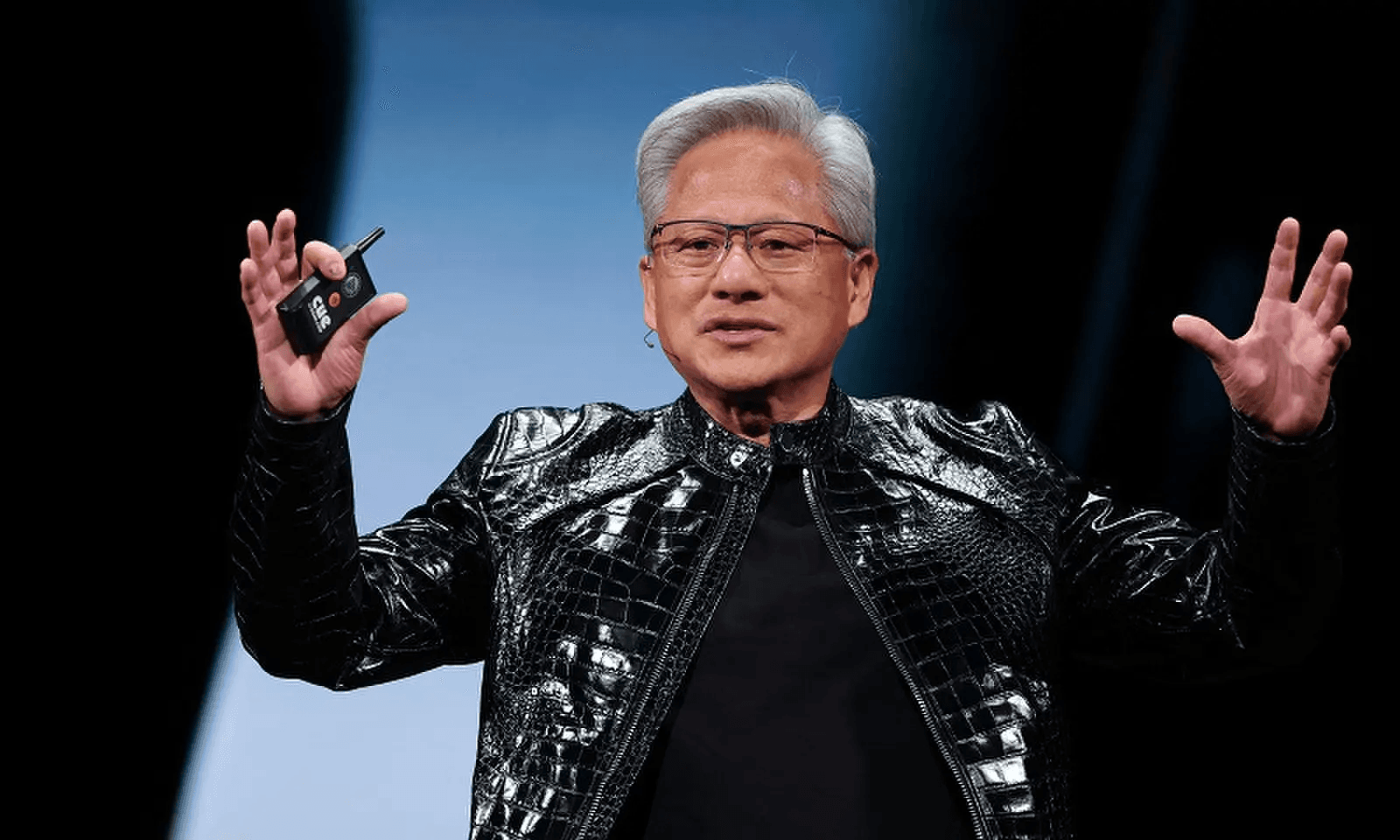
Jensen Huang's resignation has removed the most recognisable executive in the global artificial intelligence industry. It has not removed Nvidia's chips from data centres, cancelled software licences or severed the commercial arrangements on which its customers rely.
That difference matters. The stories surrounding Huang's exit have made worldwide headlines. The immediate business question for companies buying Nvidia technology is more ordinary: will their systems and planned deliveries keep working as expected?
Nvidia announced its leadership transition on 12 November 2026. Longtime chief financial officer Colette Kress is serving as interim chief executive while the board searches for a permanent replacement. Reports concerning the former CEO's private conduct and disputed national-security allegations should be treated separately from confirmed operating decisions.
The accompanying video is Nvidia's March 2026 keynote. It is archival footage, included to show the products and strategy associated with Huang's leadership. It does not depict the resignation.
What does not change overnight
The company sells much more than individual chips. Major customers use Nvidia processors, networking equipment, software and developer tools in systems that can take years to build and tune. Engineers have budgets, contracts and delivery plans independent of any one executive's public appearances.
A leadership change does not, by itself, establish that any specific customer's order has been delayed or that an announced investment has been withdrawn. Claims of disruption need customer statements, company disclosures or other evidence.
The risk is less about hardware suddenly stopping than about decisions still to come: how Nvidia allocates capacity, launches its next products and negotiates with customers as competitors push alternatives.
Microsoft and the cloud operators
Microsoft is both a large cloud provider and a major participant in AI infrastructure. Its relationship with Nvidia includes access to GPU technology for customers using its cloud services. That is distinct from Microsoft's own software platforms and its separate relationships with AI developers.
Amazon Web Services and other cloud operators similarly invest in their own computing services while buying or supporting external accelerators. These companies have reasons to maintain multiple supply options, but bringing a new chip architecture into production takes engineering work.
Customers of cloud providers should therefore distinguish three issues: the stability of the cloud service they actually use, the long-term supply of computing capacity and the cloud operator's choice of hardware supplier. They are related, not identical.
Read our existing reporting on Microsoft and Nvidia and Nvidia's business with Amazon and Oracle.
OpenAI and the cost of compute
Developers of large AI systems need access to clusters of accelerators, networking and power. The size and timing of their infrastructure plans depend on financing, available hardware and the ability to operate it efficiently.
The resignation of Nvidia's CEO does not show that OpenAI or any other AI company has changed its computing strategy. That would require evidence from the organisations themselves.
The more useful question is whether customers see changes in supply, pricing, technical roadmaps or support. That is what will influence purchasing decisions more than a news cycle.
Our OpenAI and Nvidia partnership report examines the relationship in more detail.
What Kress and the board must demonstrate
The first test is continuity. Customers will want clear ownership of product decisions, a consistent technical roadmap and confidence that Nvidia can handle supply commitments. Investors will look for comparable clarity in financial guidance and management commentary.
Nvidia's next earnings report will be an important public checkpoint, but a quarterly result alone will not settle the company's longer-term governance issues. A permanent CEO appointment, further findings from the board's investigation and customer disclosures could each change the picture.
Nvidia's software ecosystem and relationships were built over decades. They are difficult to replace quickly. That strength is why the company remains central to AI infrastructure, and why its leadership decisions matter to organisations far beyond its shareholders.
Following the story
For the confirmed resignation and interim appointment, see our original news report. For the broader history of its revenue and customer relationships, explore Nvidia: The Business and Its Partners.
You can also follow the Nvidia company profile, Jensen Huang and Colette Kress, where connected stories are gathered as new reporting is published.
The central test for Nvidia's customers is not whether the founder was indispensable as a public figure. It is whether the company can keep delivering the technology on which their plans depend.
Video: Nvidia's GTC keynote, March 2026. Archival footage supplied by Nvidia and embedded from its YouTube channel. It is not video of the November 2026 leadership change.
Sources: Reuters — Nvidia leadership change · ABC The Business — impact on AI trade · Nvidia board statement.
About this article
This article provides analysis and interpretation of available information. Sources and supporting material, where applicable, are linked within the article.
Found an error? Contact the editorial desk. See our editorial standards and corrections policy.
From the Harbour Creative Blogs archive
Keep exploring this story
Related reporting, people and places from our published coverage. These are editorial connections, not a popularity ranking.
Subject
AI infrastructure
The data centres, chips, electricity and investment behind advanced artificial intelligence.
Company
Nvidia
The chipmaker at the centre of global AI investment: its revenue, products, leadership, customers and commercial relationships.
Person
Jensen Huang
Nvidia's co-founder and former chief executive, whose leadership and departure feature in our technology reporting.