A Data Centre's Megawatt Figure Is Not Its Electricity Bill
From Tungkillo to Tasmania, headline power numbers often mean different things. Here is how to read capacity, contracted demand and actual use.
 Harbour Creative Team
2 min read
Harbour Creative Team2 min read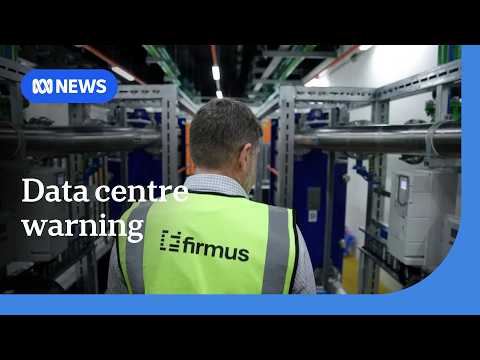
From Tungkillo to Tasmania, headline power numbers often mean different things. Here is how to read capacity, contracted demand and actual use.
Capacity is not consumption
A proposed 1,200-megawatt data centre is not necessarily using 1,200 megawatts today. A development proposal may describe maximum planned capacity across stages that have not been financed or built. Contracted power can mean the amount a company has arranged to access, which is different again from electricity consumed at any moment. When a planning application uses a headline figure, readers should ask what it measures and when each stage is expected to operate.
Why the distinction changes the debate
A facility with very high peak demand can require network upgrades even if its annual average consumption is lower. Electricity use also depends on server utilisation, cooling, equipment efficiency and whether buildings have begun operation. Environmental assessments need credible assumptions about demand, water, noise and connection infrastructure. A reader cannot calculate a project's annual emissions or water use merely by multiplying the maximum power figure by the hours in a year without understanding its operating pattern and supply arrangements.
Two Australian examples
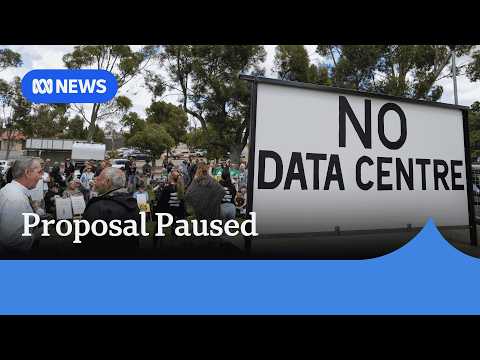
Tasmania's proposed community-fund contribution is linked to megawatts of contracted energy: the government's stated rate is $3,000 per MW annually. That is a method of calculating a payment, not a published estimate of a centre's real electricity bill. At Tungkillo, the proposed 1,200MW scheme was paused amid community objections; it had not been built. Our Tasmania funding analysis and Tungkillo report explain the separate decisions. Clear reporting should always label the kind of power figure being quoted.
Background: Read the supporting source. The embedded video is credited to its original publisher and is presented as historical context.
About this article
This article is published by Harbour Creative Blogs. Sources and supporting material, where applicable, are linked within the article.
Found an error? Contact the editorial desk. See our editorial standards and corrections policy.
From the Harbour Creative Blogs archive
Keep exploring this story
Related reporting, people and places from our published coverage. These are editorial connections, not a popularity ranking.
Subject
AI infrastructure
The data centres, chips, electricity and investment behind advanced artificial intelligence.
Company
Firmus
The Australian data-centre business connected to Tasmania's AI infrastructure debate.
Company
Quantum DC
The developer behind a proposed AI data-centre project at Tungkillo in South Australia.