Australia's Electricity Demand Is Changing. Data Centres Are Only Part of the Story
AEMO expects larger loads from electrification, industry and AI infrastructure. What matters is whether generation, storage and networks arrive in step.
 Harbour Creative Team
2 min read
Harbour Creative Team2 min read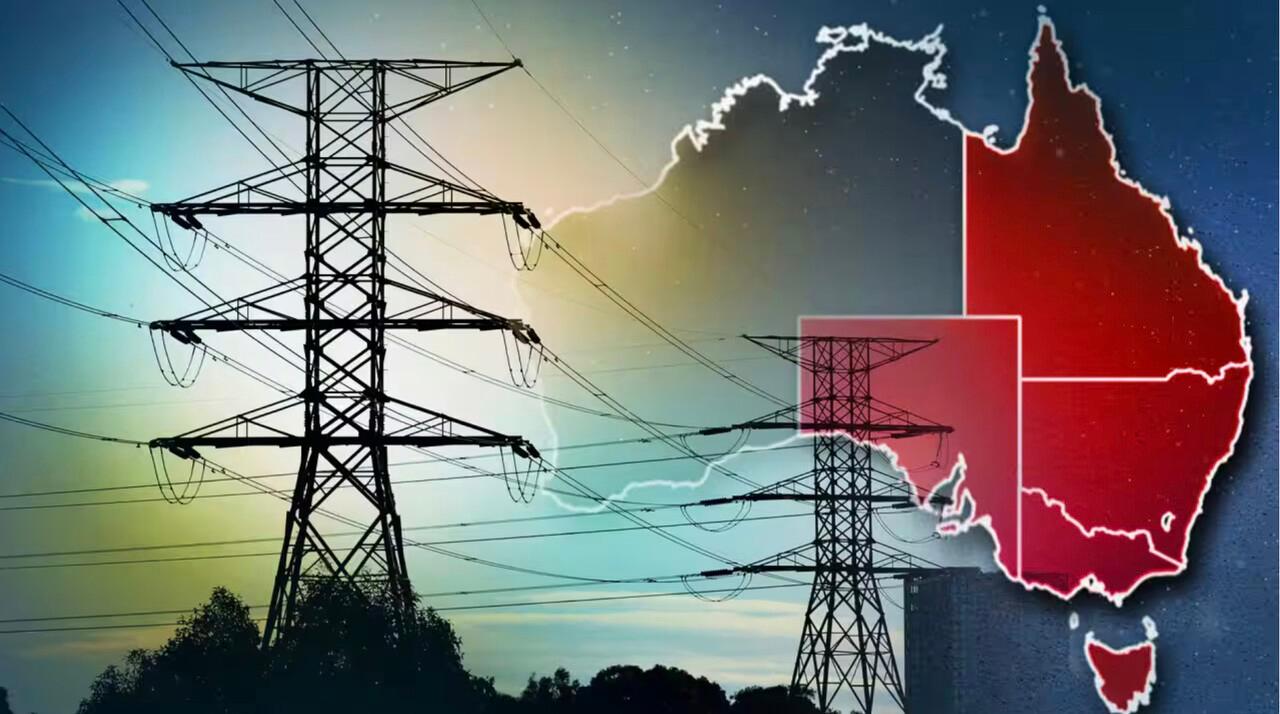
Australia's electricity future is often argued through the technology that generates power: solar, wind, gas, batteries and the remaining coal stations. The other side of that story is demand. Homes, vehicles, factories and data centres may need electricity in different places and at different times.
The Australian Energy Market Operator's 2026 Integrated System Plan sets out scenarios for the National Electricity Market through 2050. It identifies electrification of transport and industry, new commercial demand and large computing facilities among important forces shaping the system. Those are planning scenarios, not confirmed consumption figures for every proposed data centre.
The AI load is substantial, but uncertain
AEMO's Step Change scenario includes roughly 34 terawatt-hours of additional data-centre demand by 2050, while noting uncertainty about the rate at which planned facilities will connect and actually consume power. A project announced in a press release should not be counted as a fully operating customer.
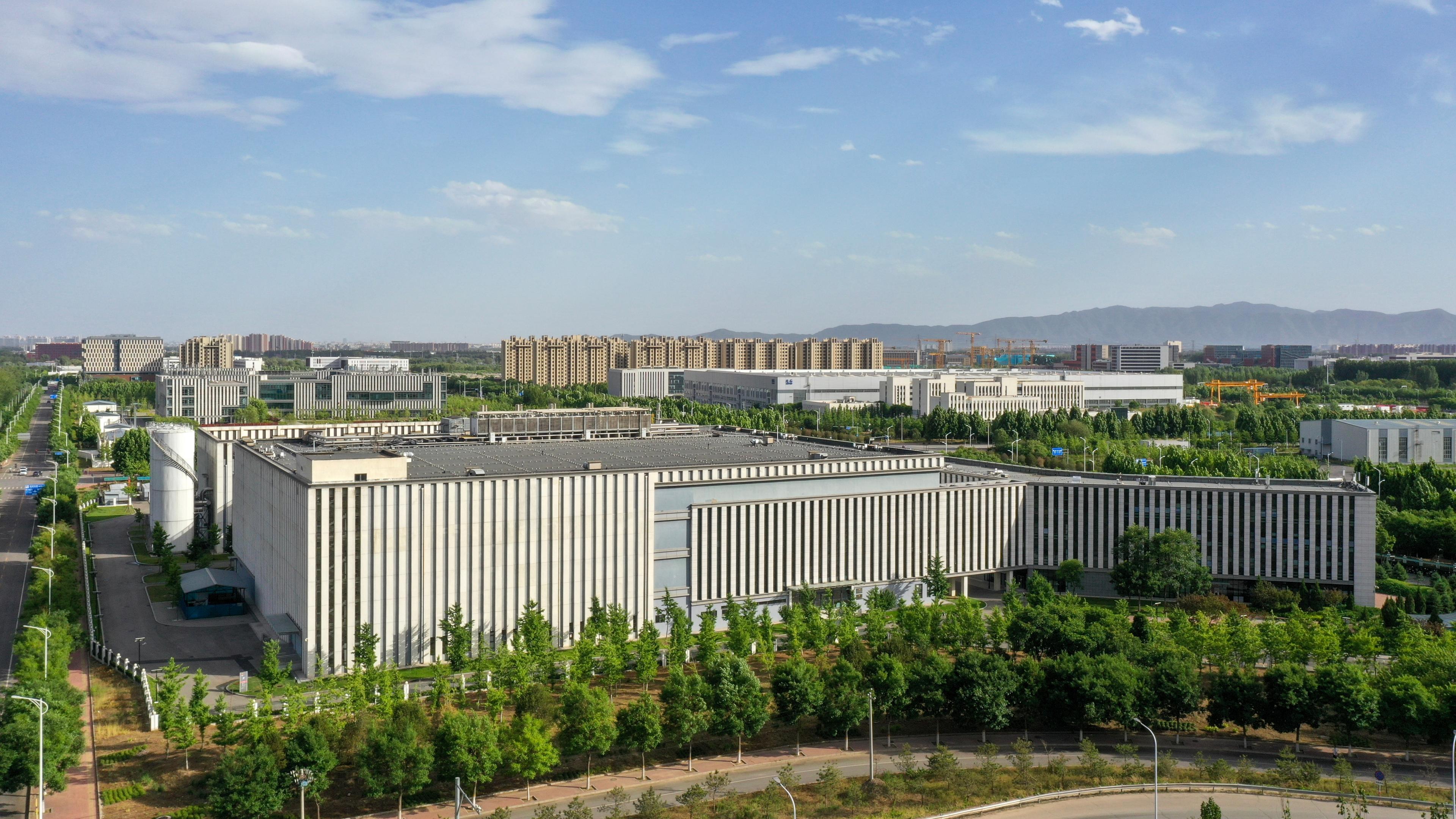
Large computing campuses can create substantial demand at particular grid locations. That is different from a small increase spread evenly across household customers. The timing and geography of connection requests matter when assessing network upgrades and local effects.
Electrification changes what electricity replaces
Electric vehicles and industrial equipment can move energy use from petrol, diesel or direct fuel combustion onto the power system. AEMO's scenarios examine these changes alongside storage and distributed generation. Counting the extra electricity without considering displaced fuel use tells only part of the energy story.
Businesses may invest in their own generation or rooftop solar and change the time of day they draw from the grid. This makes aggregate demand forecasts different from a simple projection of every existing customer's bills.
Reliability depends on a coordinated sequence
AEMO's 2026 plan identifies renewable energy connected by networks, backed by storage and gas, as the least-cost development pathway under its modelling and policy settings as coal power stations retire. That judgement depends on actual delivery of transmission, firming capacity and generation.
For consumers, the important questions are whether critical projects are delivered, how charges are distributed, whether local communities are properly consulted and how reliability is protected during construction. Energy planning is about systems, not just the number of panels or servers.
Sources and method
Original analysis of published information, not first-person field reporting or commissioned interviews. Figures, claims and project milestones are attributed to the sources below and should be checked against later updates.
About this article
This article provides analysis and interpretation of available information. Sources and supporting material, where applicable, are linked within the article.
Found an error? Contact the editorial desk. See our editorial standards and corrections policy.
From the Harbour Creative Blogs archive
Keep exploring this story
Related reporting, people and places from our published coverage. These are editorial connections, not a popularity ranking.
Local coverage
Sydney
The business, communities, housing, transport, sport and public decisions affecting metropolitan Sydney.
Subject
Climate policy
Australian climate commitments, electricity, fossil fuels and international negotiations.
Subject
AI infrastructure
The data centres, chips, electricity and investment behind advanced artificial intelligence.