NSW Midwives Warn Homebirth Insurance Rules Could Reduce Choice
A new insurance requirement starting in 2027 has raised concerns about the number of private midwives able to support homebirths, particularly in regional NSW.
 Harbour Creative Team
2 min read
Harbour Creative Team2 min read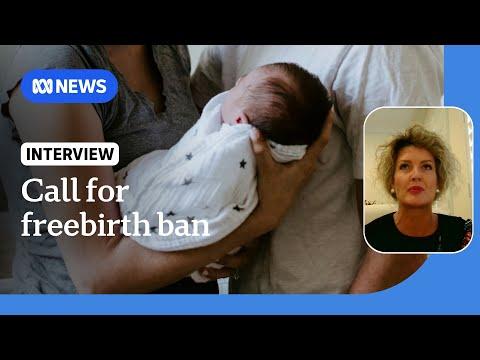
A change intended to strengthen professional insurance for private homebirths could reduce access to midwives in parts of New South Wales. From 2027, new insurance rules are expected to require additional endorsements for privately practising midwives involved in homebirth care.
In the Shoalhaven, midwife Jenny Spencer told ABC News she expects to reduce her caseload because she cannot find enough appropriately endorsed colleagues to meet the staffing arrangements. She supports professional standards but says the transition may leave families with fewer options.
Why the second midwife matters
Planned homebirth care is not the same as giving birth without trained medical professionals. A registered midwife has professional responsibilities, and homebirth arrangements commonly require more than one midwife to attend.
The endorsement and insurance requirements raise a practical question: can the workforce meet the conditions by the implementation date? If only a relatively small portion of midwives currently hold the additional qualification, regional services may find it especially difficult.
Safety and access are both concerns
Professional indemnity arrangements exist to manage risk and ensure practitioners are appropriately covered. Government representatives argue that the standards support safe and suitable care for mothers and babies.
Midwifery groups say the eligibility criteria could instead reduce the availability of professional assistance for families who would otherwise plan a supported birth. The details of exactly who sets the criteria are contested between government, regulators and insurers.
What families need to know
Pregnancy and birth decisions should be discussed with qualified maternity professionals who can assess individual circumstances, risks and local services. A policy debate about homebirth should not be mistaken for a recommendation to give birth without professional support.
The accompanying ABC video is an older discussion of freebirth — a separate practice involving birth without medical attendance — and is clearly labelled as archival context. It does not document this week's insurance decision.
The immediate policy challenge is to establish clear standards while ensuring the intended safeguards do not unintentionally remove the care that people need. Workforce planning, transition periods and access in regional areas deserve particular scrutiny.
Video: Archival ABC News discussion of birth without professional assistance. It is background context, not footage of the new 2027 midwife insurance rules. Video remains hosted by ABC News (Australia) and is played through YouTube's embedded player.
Source: Read the original reporting.
About this article
This article is published by Harbour Creative Blogs. Sources and supporting material, where applicable, are linked within the article.
Found an error? Contact the editorial desk. See our editorial standards and corrections policy.
From the Harbour Creative Blogs archive
Keep exploring this story
Related reporting, people and places from our published coverage. These are editorial connections, not a popularity ranking.