The Financial and Emotional Cost of IVF in Australia
New accounts from Australians pursuing fertility treatment show how quickly repeated cycles and optional extras can become a major personal and financial decision.
 Harbour Creative Team
2 min read
Harbour Creative Team2 min read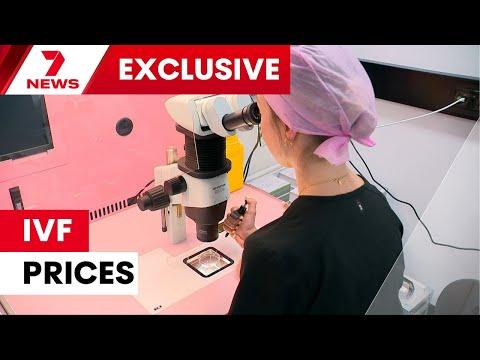
Fertility treatment is often discussed as a medical process with a series of clear steps. For some Australian families, it becomes years of decisions about savings, work, relationships and how long to keep trying.
Accounts published by ABC Lifestyle in November 2026 describe people who spent tens or even hundreds of thousands of dollars on repeated in vitro fertilisation cycles. The reports also highlight a difficult part of informed consent: patients may not begin treatment with a clear idea of the chances of success across multiple cycles or the total amount they could spend.
Costs beyond the first quotation
IVF treatment may involve consultations, medications, scans, laboratory work, egg collection, embryo transfer and storage. Medicare rebates and private health arrangements can change what patients ultimately pay. The final bill depends on personal circumstances and the clinic's fees.
Some patients also purchase treatment add-ons. Researchers have warned that not every supplementary treatment marketed with IVF has strong evidence of improving the chance of a live birth. Before agreeing to an extra procedure, patients should be able to ask what benefit has been demonstrated, what risks exist and what it will cost.
The decision to continue
A failed cycle can be painful physically, emotionally and financially. Some patients want to continue as long as they are medically able; others set limits based on health, savings or their own wellbeing. Neither choice is a measure of commitment or character.
The stories highlighted by ABC are personal experiences, not a success-rate comparison between clinics. Age, medical history and the reasons for infertility can make outcomes very different.
What transparent care should include
Useful conversations with a fertility specialist cover realistic prospects of success, the evidence for recommended interventions, cumulative costs, available support and options if treatment does not achieve the hoped-for result.
A patient should not be left guessing whether there is a reasonable clinical reason to try another cycle. Nor should any article promise a result or treat fertility outcomes as predictable.
The accompanying 7NEWS video concerns a lower-cost IVF service and offers context about affordability. It is not footage from the families in the recent ABC report.
The larger question for Australia's health system is how patients can get both understandable medical information and an honest picture of the financial decisions involved.
Video: Earlier 7NEWS coverage of IVF pricing and a lower-cost clinic. Archival background; not footage of the people interviewed in the November 2026 reporting. Video remains hosted by 7NEWS Australia and is played through YouTube's embedded player.
Source: Read the original reporting.
About this article
This article is published by Harbour Creative Blogs. Sources and supporting material, where applicable, are linked within the article.
Found an error? Contact the editorial desk. See our editorial standards and corrections policy.
From the Harbour Creative Blogs archive
Keep exploring this story
Related reporting, people and places from our published coverage. These are editorial connections, not a popularity ranking.