Sydney's Emergency Departments: What the Waiting-Time Figures Actually Mean
NSW hospital performance data describes pressure across the system, but the experience at an emergency department depends on triage, capacity and the reason someone needs care.
 Harbour Creative Team
2 min read
Harbour Creative Team2 min read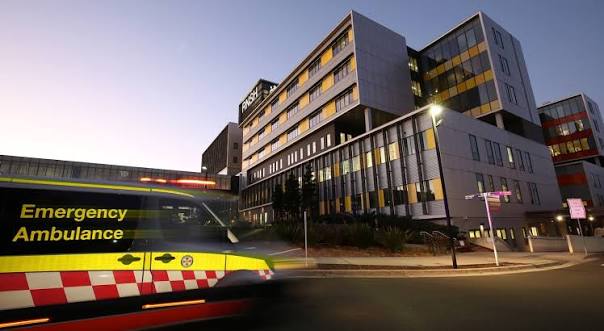
Emergency departments are among the most closely watched parts of the NSW health system, and for good reason. They are where injuries, serious illness, ambulance arrivals and people unable to find other urgent care pathways all meet. Yet a single headline about waiting times can obscure what the measurements do and do not show.
The NSW Bureau of Health Information publishes quarterly performance data. The April–June 2026 release covers emergency care and more than 170 emergency departments across the state, with hospital-level results available for larger facilities. It is useful evidence, but it is not a live display of how busy a waiting room is right now.
Triage is not a queue for first arrival
People in emergency departments are assessed by urgency. A person with a life-threatening problem may be taken for immediate treatment while someone who arrived earlier with a lower-acuity concern waits. It would be unsafe to interpret a longer wait for a less-urgent condition as evidence that a hospital has ignored a critical patient.
The official indicators include the share of patients starting treatment within clinically recommended times and the time from arrival until leaving the department. They answer different questions. A discharge measure can also be affected by bed availability elsewhere in the hospital.
Why a local hospital comparison needs care
Sydney hospitals do not have identical patient populations, specialty services or ambulance volumes. Some serve large regional catchments and provide complex treatment. Others transfer patients to larger centres. Comparing one figure without accounting for this mix may produce a misleading ranking.
BHI publishes information for local health districts and hospitals so readers can see trends over time. The latest quarterly report also warns that the transition to a Single Digital Patient Record has affected some centralised reporting. That caveat belongs beside any apparent change in performance.
What families can usefully do
For a medical emergency, call 000. People seeking less urgent treatment should use appropriate clinician advice and established health service pathways, not self-triage based on a newspaper table. Hospital department pages help confirm entrances and parking before a planned visit.
Our guides to Campbelltown, Liverpool and Kogarah link residents to local services. The evidence points to a complex system-wide issue, not a simple list of 'good' and 'bad' emergency departments.
Sources and method
Original analysis of published information, not first-person field reporting or commissioned interviews. Figures, claims and project milestones are attributed to the sources below and should be checked against later updates.
About this article
This article provides analysis and interpretation of available information. Sources and supporting material, where applicable, are linked within the article.
Found an error? Contact the editorial desk. See our editorial standards and corrections policy.
From the Harbour Creative Blogs archive
Keep exploring this story
Related reporting, people and places from our published coverage. These are editorial connections, not a popularity ranking.
Local coverage
Sydney
The business, communities, housing, transport, sport and public decisions affecting metropolitan Sydney.
Organisation
NSW Government
Government decisions affecting services, planning and households across New South Wales.
Local coverage
Campbelltown
The community, services and business developments affecting Campbelltown.