Mine Camp Accommodation Is a Workplace Safety Issue, Not Just a Perk
New research and worker accounts are challenging the standards of accommodation at remote mining sites as Western Australia prepares a revised code.
 Harbour Creative Team
3 min read
Harbour Creative Team3 min read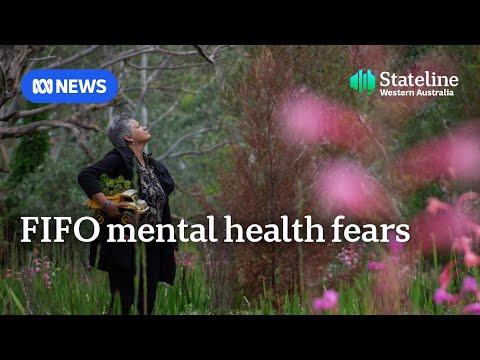
For a fly-in, fly-out worker, the place where a shift ends is still part of working life. After twelve hours in an isolated operation, the quality of accommodation, the ability to contact family and the safety of shared facilities can affect whether a worker sleeps properly and feels secure.
That is the argument behind growing scrutiny of mine camp standards in Western Australia. Worker advocates and researchers say conditions vary considerably between sites and that some basic protections remain weak.
What workers are asking for
Vicky Pellowe, who previously worked FIFO and now leads the FIFO Family Project, has called for clearer minimum standards. The concerns extend from cleanliness and reliable internet access to doors that can be secured and lighting that makes shared areas safer.
These are not simply comfort preferences. Workers can spend prolonged periods living on an employer-controlled site, separated from ordinary networks of family and community support.
A draft WA code of practice on workers' accommodation has included attention to secure rooms, adequate facilities and practical measures to reduce psychosocial hazards. The government expects to finalise the code next year.
The limit of a voluntary approach
Codes of practice can guide employers and help establish what reasonable risk management looks like. But they are not always legally binding in the same way as regulations.
That creates a central test for the forthcoming WA standards: what happens when a company does not follow them? Employers already have obligations to identify and manage workplace risks. A code's practical influence depends on enforcement, inspections, complaints and the ability of workers to raise problems without fearing consequences.
Why facilities alone are not enough
Some operators have invested in elaborate camps with recreation centres and swimming pools. These facilities can be welcome, but researchers warn that amenities should not be used as substitutes for safety, privacy, predictable rosters and supportive management.
Poor acoustic conditions, isolation and harassment cannot be resolved simply by installing a gym. Workers also need meaningful routes to report concerns, including when the person creating the problem is part of the workplace hierarchy.
Families can play a role in identifying distress. Advocates have called for reliable contact points when relatives cannot reach someone on a remote site.
The next decision
The mining sector is a major source of Australian exports and regional employment. Maintaining that business cannot reasonably depend on accepting living conditions that would be considered unsafe in another workplace.
The ABC video is an earlier investigation into FIFO mental health. The new reporting concerns accommodation standards; the two are related, not identical.
When WA finalises its code, the useful questions will be whether standards are specific enough to assess, whether workers trust the complaints process and whether companies can demonstrate better outcomes rather than simply better facilities.
Further reading: Original reporting.
About this article
This article provides analysis and interpretation of available information. Sources and supporting material, where applicable, are linked within the article.
Found an error? Contact the editorial desk. See our editorial standards and corrections policy.
From the Harbour Creative Blogs archive
Keep exploring this story
Related reporting, people and places from our published coverage. These are editorial connections, not a popularity ranking.