Six Days Lost in Gippsland: A Rescue That Shows the Value of Search Teams
A 17-year-old who survived nearly a week in difficult Victorian bushland has spoken about his ordeal. His rescue highlights how hard remote searches can be and why preparation matters.
 Harbour Creative Team
3 min read
Harbour Creative Team3 min read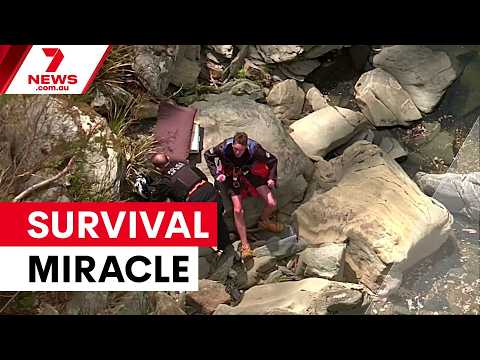
The rescue of a teenager who spent six days missing in Victorian bushland is a remarkable personal story. It is also a reminder of what search teams face when someone disappears in difficult country.
William, 17, was found near Walhalla East in Gippsland after a search involving police, volunteers, dogs and helicopters. He was located in a riverbed by an aircraft crew and later transferred to hospital for assessment. After the rescue, he spoke about cold nights, difficult terrain and the moments when he feared he might not be found.
Why the search was difficult
Dense vegetation, steep slopes and uneven ground can hide a person even when searchers are working nearby. Aircraft can see areas that are unsafe or impractical to approach on foot, but they depend on weather, visibility and the ability to spot small clues.
Police said William had moved through rugged terrain before falling down a steep embankment. A helicopter eventually located him in a dry riverbed. The recovery involved far more than a lucky sighting: volunteers and emergency crews had spent days narrowing the search and working through difficult ground.
What William has described
From hospital, the teenager said he endured heat, cold and rain. He had very little food and tried to keep his spirits up while waiting for help. His family expressed relief that he had survived and could be reunited with them.
Those details are part of his personal experience, not a set of survival instructions. Someone else facing similar conditions could become seriously ill much sooner, depending on injury, exposure, terrain and access to water.
Doctors assessed William for dehydration and other possible complications. His medical condition should not be assumed to remain unchanged after the published hospital updates.
Lessons without blaming the person rescued
Outdoor preparation is important. People heading into remote areas should consider weather, terrain, navigation, communications, basic supplies and making sure somebody knows their intended route.
But retrospective certainty can be unfair. A person can lose their bearings quickly, and stress can make it difficult to recognise familiar landmarks. The priority in an emergency is locating them safely, not turning their experience into a public reprimand.
This rescue also shows the contribution of community volunteers and specialist emergency services. Search operations require coordination, equipment, people and patience, often with no certainty of a happy outcome.
Why the story matters
The teenager's survival is welcome news. It would be a mistake to treat the exceptional result as evidence that six days in remote bushland is usually survivable or that rescue is guaranteed.
The video above shows the search and recovery as reported by 7NEWS. The broader story is about a young person returning to his family and the many people whose work helped make that possible.
For anyone travelling in Australia's national parks and bushland, that is a more useful message than the drama of the rescue alone.
Further reading: Supporting report.
About this article
This article is published by Harbour Creative Blogs. Sources and supporting material, where applicable, are linked within the article.
Found an error? Contact the editorial desk. See our editorial standards and corrections policy.
From the Harbour Creative Blogs archive
Keep exploring this story
Related reporting, people and places from our published coverage. These are editorial connections, not a popularity ranking.