The Q Fever Vaccine Shortage Facing Rural Australian Workers
Supply of Australia's Q fever vaccine is expected to run out temporarily, leaving farmers, meatworkers and others facing difficult workplace health decisions.
 Harbour Creative Team
2 min read
Harbour Creative Team2 min read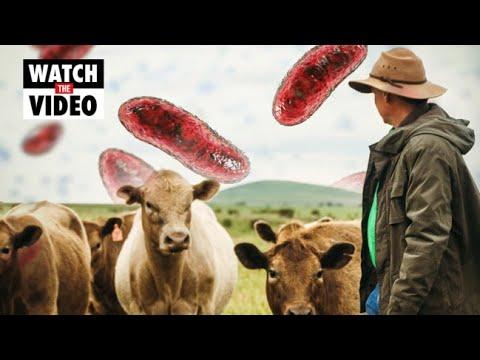
An expected shortage of Q fever vaccine has exposed a difficult problem for workers whose jobs bring them into contact with livestock. Australia is preparing for a temporary interruption in supplies of Q-VAX, the vaccine used to protect people against a bacterial infection that can cause serious and sometimes long-lasting illness.
Manufacturer CSL Seqirus said problems affecting raw materials and manufacturing equipment had disrupted production. It expected an interruption through much of the remainder of 2026, with further batches anticipated around late December. That timeline was the company's expectation, not a guarantee for every clinic.
What is Q fever?
Q fever is caused by a bacterium associated with animals, including cattle, sheep and goats. People may become infected through airborne particles contaminated by infected animals, including in dust. Those working in meat processing, shearing and farming can have increased exposure.
Illness may resemble a severe flu. Some infections have more serious consequences, including chronic complications in susceptible people. Risk depends on occupation, exposure and individual circumstances.
Why the supply issue is important
Vaccination is an important protective measure for people undertaking higher-risk work. In some industries it is part of established occupational health arrangements. A shortage can create practical difficulties for employers who need trained staff and for workers trying to protect themselves before starting jobs.
ABC Rural reported frustration from farming families who had struggled to find appointments or doses even before this week's projected stock-out. The manufacturer said batches of the vaccine take many months to produce, limiting how quickly supplies can be replaced.
A decision for clinicians and employers
People should not improvise a vaccination schedule or assume they are protected because they have had previous exposure. Q fever vaccination involves screening and must be assessed by an appropriately trained health professional. Employers should obtain advice about workplace exposure controls and duties while vaccination access is constrained.
The embedded news footage is an earlier explanation of Q fever, not footage of the latest manufacturing problems. Readers should use official health and workplace guidance for decisions that affect them.
The episode illustrates how a relatively specialised medical product can have consequences far beyond the pharmaceutical industry, particularly for the agricultural communities that depend on it.
Video: Earlier news footage explaining Q fever and vaccination. This is not a video of the November 2026 vaccine shortage. Video remains hosted by news.com.au and is played through YouTube's embedded player.
Source: Read the original reporting.
About this article
This article is published by Harbour Creative Blogs. Sources and supporting material, where applicable, are linked within the article.
Found an error? Contact the editorial desk. See our editorial standards and corrections policy.
From the Harbour Creative Blogs archive
Keep exploring this story
Related reporting, people and places from our published coverage. These are editorial connections, not a popularity ranking.