Why Australia Keeps Running Short of Essential Medicines
An investigation into recurring shortages has renewed questions about how Australia sources critical drugs, from antibiotics to treatments for chronic disease.
 Harbour Creative Team
2 min read
Harbour Creative Team2 min read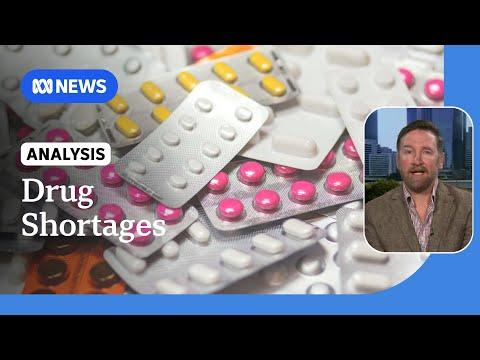
A medicine is only useful when the person who needs it can actually obtain it. That simple problem sits behind new scrutiny of Australia's pharmaceutical supply chain, after ABC News examined a decade of reported shortages and found that some essential treatments keep disappearing from normal supply.
The analysis, published on 13 November 2026, looked at 40 medicines recently classified as being in critical shortage. More than half had previously been reported in shortage. Among them was Bicillin L-A, an antibiotic used for conditions including syphilis and rheumatic heart disease, and Creon, which helps some patients digest food.
Why repeated shortages matter
A temporary disruption can sometimes be managed by a pharmacist or clinician using an appropriate alternative. Repeated interruptions are more difficult. They leave hospitals uncertain about stocks, force patients to contact multiple pharmacies and can change treatment plans for reasons that have nothing to do with clinical need.
Not every shortage means a medicine is completely unavailable across the country. The Therapeutic Goods Administration distinguishes between shortage severity and takes account of whether substitutes exist. A critical classification is serious because the lack of supply may cause substantial harm and suitable alternatives may be limited.
How Australia became exposed
Australia imports the overwhelming majority of its medicines and accounts for a comparatively small share of the global pharmaceutical market. Manufacturing interruptions, supply problems with ingredients, transport delays and demand overseas can all make local access difficult.
The TGA manages notices and works with suppliers, including by permitting access to alternatives in some circumstances. It cannot simply order a private manufacturer to produce a particular product or guarantee that international supply will be restored.
What patients should do
The practical response is not to stop treatment, change doses or stockpile medicines without advice. People affected should speak with their pharmacist, prescribing clinician or health service about current supply and any suitable options. The TGA's medicine shortages database provides official notices, although the status of an individual pharmacy's inventory can differ.
The accompanying video explains the longer-running nature of medicine shortages. It predates the November 2026 analysis and should not be mistaken for a recording of this week's findings.
The deeper question for policymakers is whether Australia should coordinate essential-medicine procurement and manufacturing more deliberately, and how to measure the cost of repeated disruptions to patient care.
Video: ABC News explainer on long-running medicine shortages. Archival footage; the new shortage analysis was published in November 2026. Video remains hosted by ABC News (Australia) and is played through YouTube's embedded player.
Source: Read the original reporting.
About this article
This article is published by Harbour Creative Blogs. Sources and supporting material, where applicable, are linked within the article.
Found an error? Contact the editorial desk. See our editorial standards and corrections policy.
From the Harbour Creative Blogs archive
Keep exploring this story
Related reporting, people and places from our published coverage. These are editorial connections, not a popularity ranking.
Subject
Medicine shortages
The causes and consequences of medicine supply disruptions for Australian patients and health workers.
Organisation
Therapeutic Goods Administration
Australia's regulator for therapeutic goods and medicines, including supply shortages.