How a Non-Invasive Wearable Is Transforming the Treatment of Tourette Syndrome
Dr Bilal Azhar examines Neupulse, a wrist-worn nerve stimulation device being studied for Tourette syndrome, and what clinical trials reveal about its potential and limitations.
3 min read
Imagine trying to sit through a lecture, enjoy a meal or talk with friends while your body keeps making movements or sounds you cannot control. For people with Tourette syndrome, this can be part of everyday life.
Tourette syndrome is a neurological condition that often begins in childhood. It causes repeated movements or sounds called tics, such as blinking, shrugging, jerking the head, sniffing or making noises. These actions are not deliberate. Some people can hold them back briefly, but it takes effort. Worry about being judged, teasing and misunderstanding can make school, work and social situations stressful. Tourette syndrome does not define a person's intelligence or personality.
How Neupulse works
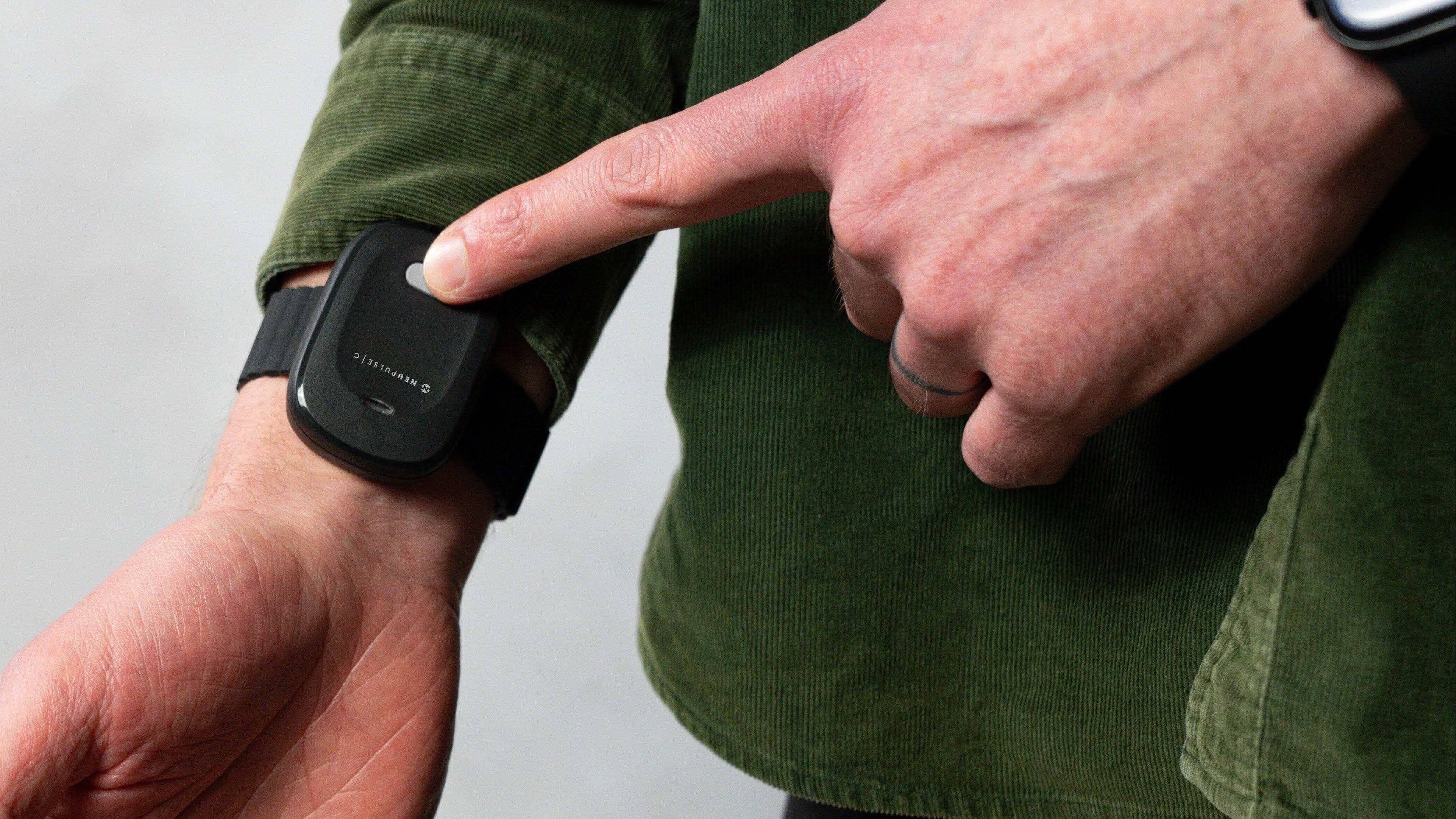
Researchers at the University of Nottingham are exploring another approach. Neupulse is a wrist-worn device that delivers gentle, rhythmic electrical pulses to the median nerve, which carries signals between the wrist and brain. The aim is to influence brain networks involved in movement and reduce tics, without surgery.
What the trial found
In a UK trial, 135 people were assigned to active stimulation, sham stimulation or a comparison group. After four weeks, the active-treatment group had an average reduction of approximately 35% in tic severity relative to baseline. Around 59% experienced a reduction of at least 25%. The researchers also found that the active group improved more than the sham and usual-care groups.
A follow-up analysis published on 7 September 2026 examined outcomes three months later and found that some participants continued to report benefits. Those follow-up findings concerned participants who had received active stimulation; they should not be mistaken for proof of long-term effectiveness against a continued control group.
The results are encouraging, but Neupulse is not a cure and may not help everyone.
What it could mean for treatment
Wrist-based stimulation may be simpler than deep brain stimulation, which involves surgery. However, the Neupulse device remains subject to regulatory requirements and further evidence gathering. It should not be presented as a routine replacement for established care.
The UK's National Institute for Health and Care Excellence identifies psychoeducation and behavioural therapies as important established approaches for tic disorders. Neupulse has been assessed as a developing option, but approval, availability and recommendations can vary by country. Readers in Australia should not assume the device is approved or routinely available locally.
The wider field is growing too. Electronic treatments already help some people with Parkinson's disease, epilepsy and depression through brain or nerve stimulation. If further studies confirm Neupulse's benefits, a small device worn on the wrist could help make daily life easier for some people with Tourette syndrome.
Research and further reading
- Morera Maiquez B et al. — Four-week sham-controlled median nerve stimulation trial (2023)
- Jackson SR et al. — Three-month follow-up analysis, 7 September 2026
- NICE — Digital therapy for chronic tic disorders and Tourette syndrome (HTG748)
Medical information notice: This article discusses emerging research and is not individual treatment advice. Anyone considering treatment changes should consult a qualified clinician.
About this article
This article provides analysis and interpretation of available information. Sources and supporting material, where applicable, are linked within the article.
Found an error? Contact the editorial desk. See our editorial standards and corrections policy.
From the Harbour Creative Blogs archive
Keep exploring this story
Related reporting, people and places from our published coverage. These are editorial connections, not a popularity ranking.