Balcony Solar Could Help Renters. Australia Still Has to Set Safe Rules
Small plug-in solar systems promise cheaper electricity for people without rooftops of their own, but electricians warn that rushed safety standards could create avoidable risks.
 Harbour Creative Team
3 min read
Harbour Creative Team3 min read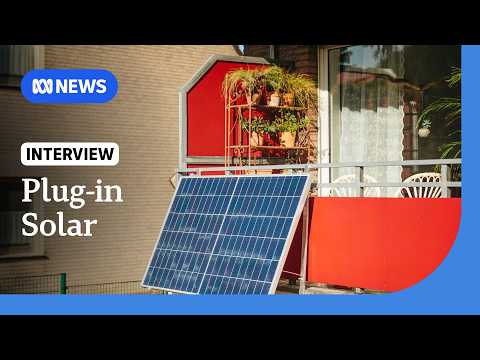
Australia's enormous take-up of rooftop solar has left an obvious group behind: people who rent, live in apartments or do not control a suitable roof.
Small plug-in panels, sometimes called balcony solar, could offer those households a way to generate a little of their own power. The idea has worked in parts of Europe. But Australian electrical trades groups are warning that putting electricity-generating devices into ordinary power sockets without rigorous safeguards could introduce fire risks.
What is different about plug-in solar
Conventional rooftop solar is installed into a home's electrical system by accredited professionals. Plug-in systems are designed to be smaller and easier for a household to set up.
That accessibility is their appeal. A renter may have no ability to arrange a permanent rooftop installation, while a small balcony system could reduce some daytime electricity purchases.
The design question is whether an ordinary household circuit can safely manage electricity flowing into it from a device connected to an outlet, especially when wiring is old or several devices are installed.
Why electricians are concerned
Trade groups say that incorrect configurations, overloaded circuits and poorly managed batteries could create serious hazards. Plug-in batteries may discharge for longer than a solar panel produces power, changing the nature of the risk.
Safety advocates want standards to control electrical connections, installation limits, labelling and the conditions under which batteries may be used.
Supporters respond that requiring expensive electrical work for every small system would undermine the product's chief advantage. The policy challenge is therefore not simply whether a device can be made safe, but whether safeguards can be practical and affordable.
A question of evidence
A successful overseas system provides useful evidence that an approach can work. It is not proof that Australian homes, wiring arrangements and installation behaviour will be identical.
Likewise, warnings about possible fires should be examined through engineering standards and real incidents, rather than treated as a forecast that every plug-in system will cause harm.
Western Australia has published a draft approach while national officials investigate rules for safe deployment. Energy ministers expect further reporting on the options.
What households should do now
A proposed change to standards is not an invitation to connect unapproved equipment. State electrical rules vary, and readers should check the requirements in their jurisdiction before purchasing or installing anything.
For renters, the stakes are substantial: access to cleaner, cheaper energy should not require ownership of a house. But an affordable product also has to protect occupants and neighbouring homes.
The video above covers WA's earlier proposal. The more recent safety debate will shape whether plug-in solar becomes an everyday Australian product — and under what conditions.
Further reading: Supporting report.
About this article
This article provides analysis and interpretation of available information. Sources and supporting material, where applicable, are linked within the article.
Found an error? Contact the editorial desk. See our editorial standards and corrections policy.
From the Harbour Creative Blogs archive
Keep exploring this story
Related reporting, people and places from our published coverage. These are editorial connections, not a popularity ranking.