Why Tasmania’s Salmon Antibiotic Use Is Closing Waters to Wild Fishers
Commercial rock lobster and dive fishing areas face temporary closures after salmon antibiotic treatments, exposing tensions between aquaculture and small fishing businesses.
 Harbour Creative Team
3 min read
Harbour Creative Team3 min read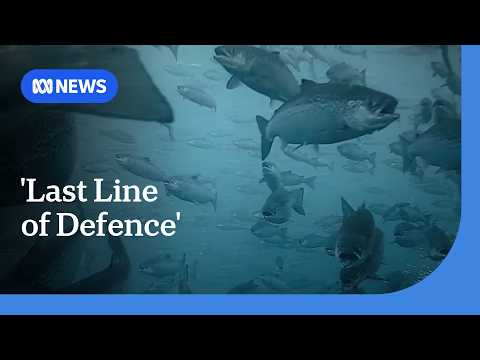
A decision intended to protect Tasmania's seafood export markets is creating costs for businesses that did not use the medicine at the centre of the controversy.
From Sunday, parts of Tasmania's commercial rock lobster and dive fisheries are due to close temporarily after salmon operator Tassal used the antibiotic oxytetracycline at two sites in the D'Entrecasteaux Channel.
The closures are expected to last until 14 February and affect areas used by independent fishers, including families with a long history of working those waters.
Why fishing grounds are closing
The measure is intended to reduce trade risks associated with antibiotic residues in products marketed as wild caught. Some export destinations impose strict or zero-tolerance limits.
Tasmania's management plan allows closures of nearby wild fisheries when certain treatments are used in aquaculture. This is a precautionary trade measure; it should not be mistaken for an announcement that every fish or lobster in the area has been found contaminated.
Tassal says the closure concerns a small proportion of the state's historical lobster catch. Individual fishers argue that the percentage says little about the impact on businesses that depend on those particular grounds.
Both statements can be true. A small share of statewide catch can represent a major loss to an operator working a particular stretch of coast.
Who should carry the cost?
The salmon industry provides employment, investment and exports. So does the wild fishing sector, albeit through different businesses and arrangements.
When treatment decisions made by one industry affect access for another, the question becomes whether costs and responsibilities are being shared fairly.
Wild fishers say they are losing access despite not having made the decision that triggered the closure. Salmon operators argue they need veterinary treatments to manage disease and protect stock.
A complete assessment would consider the reasons treatment was necessary, whether less disruptive options existed, how monitoring is conducted and what compensation or support is available for affected businesses.
What the government says
Premier Jeremy Rockliff has acknowledged the difficulty and argued that the state needs an approach allowing aquaculture and wild fisheries to coexist.
Tassal has said the temporary restrictions are intended to protect export access and that it is working with affected fishers. The company also says recreational fishing and swimming remain safe under public-health advice.
Those statements do not resolve every commercial effect. An independent fisher may still face lost earnings while a site is closed.
What happens next
The promised reopening date will depend on the relevant management process and monitoring. The public should be able to examine how the restrictions are reviewed, what information supports reopening and whether affected fishers receive meaningful assistance.
The accompanying ABC video is older coverage of antibiotics in salmon farming, rather than footage of the new closures.
This dispute exposes a broader issue in resource management: industries can share the same waters while having very different power to influence what happens there.
Further reading: Supporting report.
About this article
This article provides analysis and interpretation of available information. Sources and supporting material, where applicable, are linked within the article.
Found an error? Contact the editorial desk. See our editorial standards and corrections policy.
From the Harbour Creative Blogs archive
Keep exploring this story
Related reporting, people and places from our published coverage. These are editorial connections, not a popularity ranking.
Local coverage
Tasmania
The state's energy, environment, fisheries and computing infrastructure debates.