Australia Is Sending AI Drones to Fiji. What Can They Actually Detect?
Long-endurance maritime drones could help patrol Pacific waters for suspicious activity. Detection, legal authority and human decisions remain separate questions.
 Harbour Creative Team
2 min read
Harbour Creative Team2 min read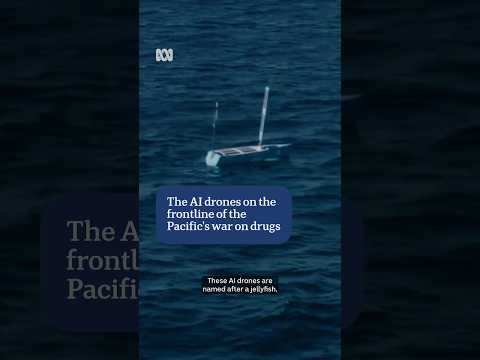
A different way to watch a vast area
Australia is providing Fiji with uncrewed maritime drones intended to assist surveillance across large stretches of water. ABC's Asia Pacific newsroom reported that the craft can remain at sea for up to six months and use artificial intelligence to identify suspicious activity. That is a description of the equipment's proposed capability, not evidence that every suspicious vessel will be intercepted.
The Pacific's geography creates an expensive monitoring problem: coastlines, islands and shipping routes cover enormous distances. Conventional patrol vessels and aircraft cannot be everywhere at once. A long-endurance sensor platform may help direct scarce resources towards locations worth investigating.
An alert is not a finding of wrongdoing
Computer-vision software can flag patterns or objects that appear unusual, but it does not establish the legal status of a voyage or the intentions of a crew. False positives and changing weather or visibility can affect what sensors detect. Human analysts and authorised agencies still have to evaluate information and decide what action is lawful.
Surveillance arrangements raise further questions about data ownership, information sharing and the accountability of the agency operating the system. A platform supplied by Australia does not remove Fiji's responsibilities under its own laws and maritime agreements.
What success would actually look like
A useful evaluation would distinguish time on station, verified detections, follow-up patrols and successful enforcement outcomes. Counting alerts alone could reward a noisy system rather than a reliable one. The impact on communities and legitimate fishing should also be considered.
The wider Australian interest is the security and stability of Pacific neighbours. The accompanying report documents the technology's introduction, while questions about deployment, maintenance and actual results remain subjects for further reporting.
Source and footage
The accompanying original ABC News video was published November 2026. This is independent analysis based on published reporting; it is not original field footage, a new interview or an assertion that the event happened on this article's publication day. Original reporting.
About this article
This article provides analysis and interpretation of available information. Sources and supporting material, where applicable, are linked within the article.
Found an error? Contact the editorial desk. See our editorial standards and corrections policy.
From the Harbour Creative Blogs archive
Keep exploring this story
Related reporting, people and places from our published coverage. These are editorial connections, not a popularity ranking.