Part 1 · Analysis
The Nvidia Crisis May Be About Much More Than Jensen Huang
An investigation into Nvidia’s chief executive has reopened difficult questions about national security, corporate power and who controls the infrastructure behind artificial intelligence.
 Harbour Creative Team
7 min read
Harbour Creative Team7 min read
The Battle for AI Power — Part One
For much of the artificial intelligence boom, Jensen Huang has occupied an unusual position in the technology industry. He is not simply the chief executive of a company selling the chips that power AI. He has become one of the most recognisable people behind the industry itself.
Nvidia's extraordinary rise has made Huang a familiar presence among technology executives, investors and political leaders. Its processors underpin much of the infrastructure used to train and run advanced AI systems. Its software and networking technology make the company particularly difficult to replace.
Now, a controversy concerning Huang's private life has reached an entirely different arena: national security, international trade and corporate governance.
The immediate question is what happened. The more consequential one may be what happens to Nvidia if confidence in its leadership continues to weaken.
From a personal admission to a corporate investigation
On 8 November 2026, Huang acknowledged that he had been unfaithful to his wife. In a message released by Nvidia, he apologised to his family and employees and said he would cooperate with an independent investigation.
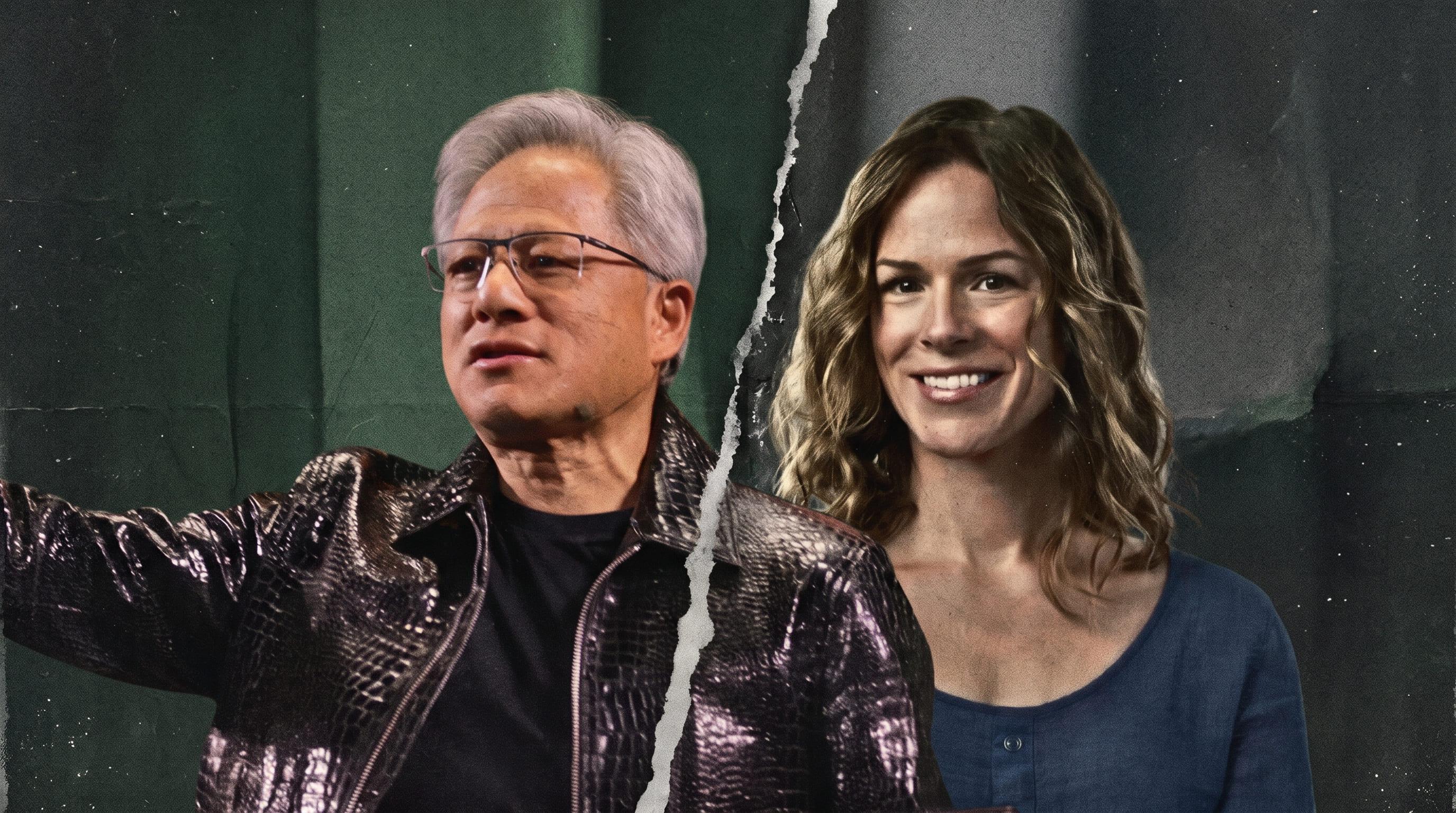
The announcement followed reporting about his relationship with Alice Huang, a former executive associated with Singapore-based technology company Megaspeed International. According to reporting described by Reuters and the Associated Press, US intelligence officials suspected that Alice Huang had connections to Chinese intelligence. Beijing has rejected the spying allegations. Alice Huang and Jensen Huang are not related.
Megaspeed has separately faced scrutiny over whether advanced Nvidia chips or access to them reached Chinese customers in ways that circumvented US export restrictions. The company has denied wrongdoing.
These are serious claims, but they are not established findings. Huang's admission of infidelity does not prove that he knowingly assisted an intelligence operation, disclosed company secrets or participated in unlawful chip transfers.
On the same day as Huang's admission, Nvidia's board announced an independent investigation into reports that its CEO had been targeted by a foreign intelligence effort. The board said it had no reason to believe either national security or Nvidia secrets had been compromised, and expressed confidence in Huang's leadership.
By 10 November, the independent directors said they had retained former acting US attorney Joon H. Kim and law firm Wachtell, Lipton, Rosen & Katz to assist with their inquiry.
That distinction matters. An investigation is not a conclusion, and an allegation is not evidence of guilt.
An extraordinary company, exposed to an extraordinary risk
The market response reflected more than curiosity about the personal life of an executive.
Investors were confronted with questions about a founder who has led Nvidia since 1993, its relations with Washington, and whether customers or regulators might look more closely at how the company distributes its technology.
Nvidia shares fell sharply after the weekend announcements. The sell-off took place against a broader debate over the enormous sums being invested in AI infrastructure, making it difficult to attribute every movement in its market value to the scandal alone.
Nvidia is not a conventional chip supplier. Its advantage lies in a combined system of processors, networking, tools and software that developers and cloud companies have spent years learning to use.
For customers, changing suppliers can mean rewriting software, altering infrastructure and accepting performance or compatibility compromises. That makes Nvidia's position far more durable than any single product cycle.
But a different kind of dependence is now being tested: the company's dependence on its founder.
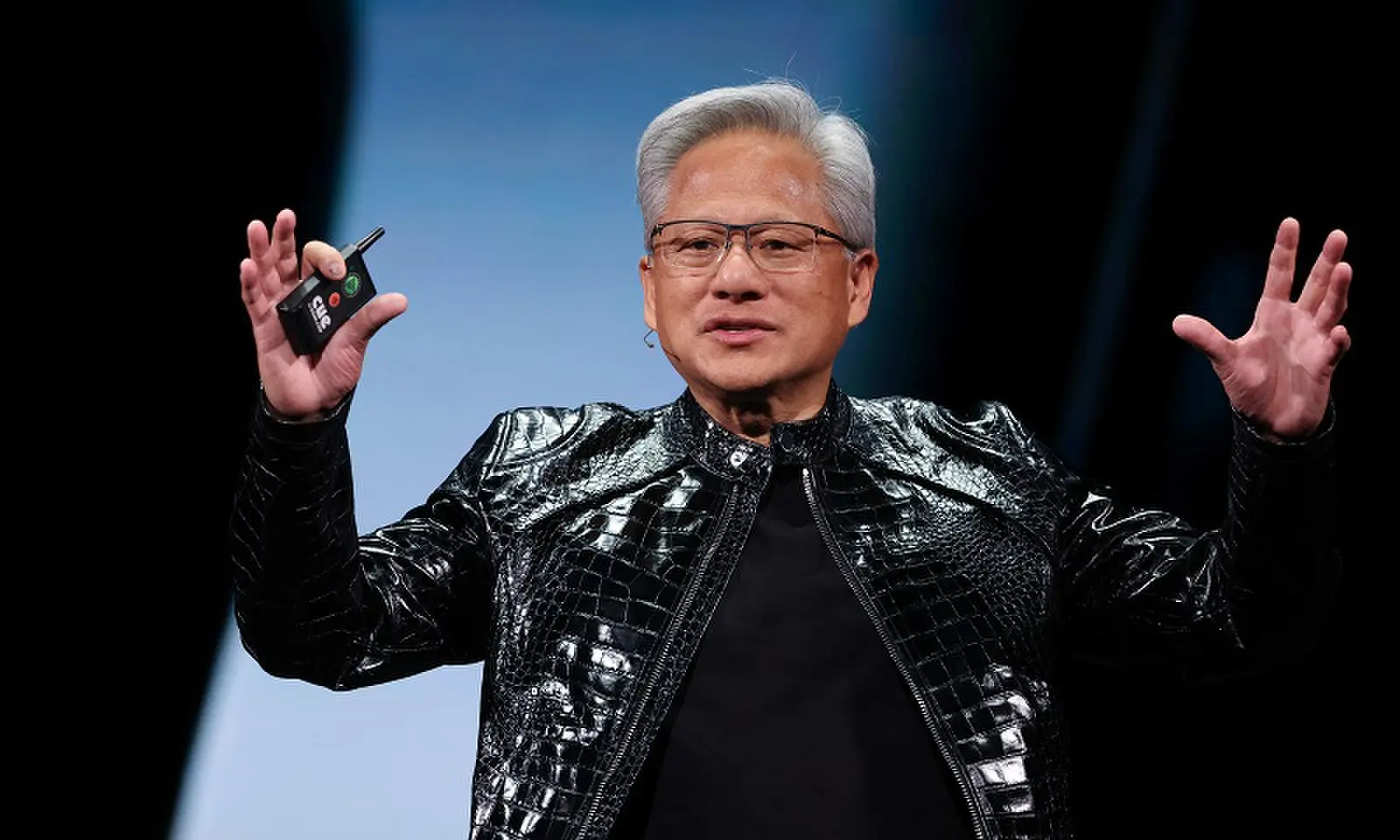
Jensen Huang has led Nvidia since its founding in 1993.
The Jensen Huang question
Huang helped build Nvidia from a graphics-chip business into a central supplier of AI computing. Over three decades, he became closely identified with its technology strategy, customer relationships and political standing.
That visibility has advantages. Customers know who is making the company's biggest decisions. Governments know whom to call. Investors have an executive whose record spans several technological transitions.
It also creates a concentration of personal authority unusual even in Silicon Valley.
Can a company become so closely identified with one individual that uncertainty about that person begins to affect confidence in the whole organisation?
There is no established reason to assume Huang will leave Nvidia. The board has publicly backed him. But the inquiry illustrates why succession planning and independent governance matter even when a founder's record is extraordinary.
Why the China connection changes the story
Advanced semiconductors are no longer simply commercial products. Governments view the most capable chips as important to economic competition, scientific research and military technology.
Washington has restricted exports of certain high-performance processors to China. Beijing has invested heavily in domestic alternatives, arguing against American efforts to limit its access to advanced technology.
Nvidia stands directly between those competing interests: an American company whose customers and commercial ambitions extend around the world.
The allegations involving Megaspeed therefore raise questions beyond Huang's conduct. How reliably can restricted chips be tracked after purchase? Can overseas cloud providers offer computing access that defeats the purpose of export controls? What responsibility falls on manufacturers, customers and intermediaries?
Those are questions for investigators, regulators and the industry, whether or not any allegations concerning Huang are ultimately substantiated.
The Associated Press reported that US lawmakers are pressing for answers, while China's government has rejected the espionage allegations. Their competing positions are part of a much larger technology dispute that predates this investigation.
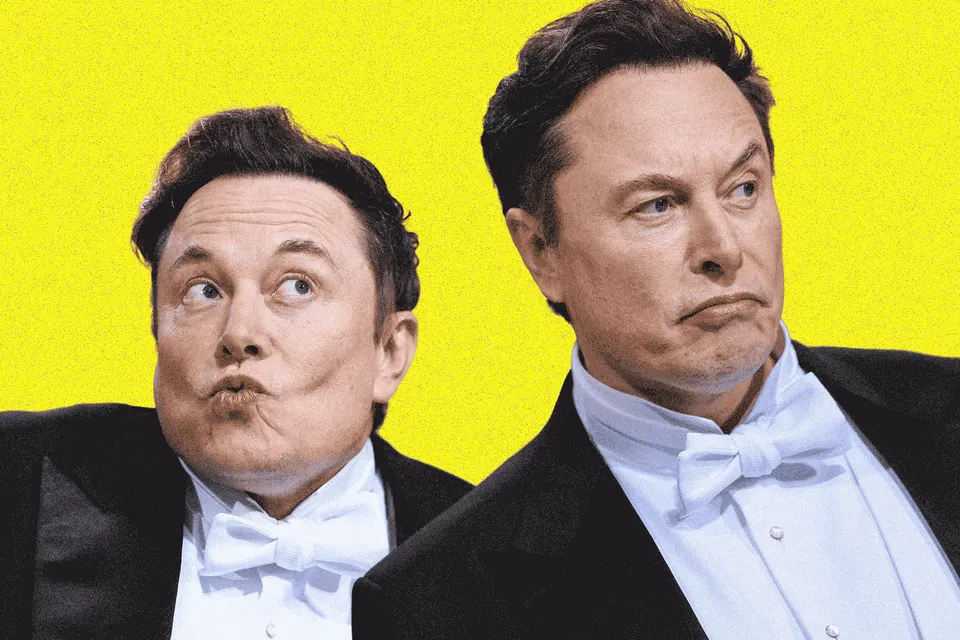
Who gains if Nvidia becomes less dominant?
A weakened Nvidia would not necessarily produce an immediate winner.
Companies building AI systems still need processors, networking equipment, energy and data-centre capacity. If uncertainty at Nvidia disrupted deliveries or investment plans, customers could suffer alongside shareholders.
At the same time, those customers have long had reasons to develop alternatives. AMD sells competing AI accelerators. Google and Amazon have invested in their own chips. Microsoft and other technology companies are developing ways to reduce dependence on a single supplier.
Elon Musk's projects offer another example of the drive for greater control. Tesla and xAI consume enormous computing resources, while his publicly discussed Terafab ambitions point toward a desire to build more of that infrastructure within his own businesses.
None of this establishes that Musk caused, anticipated or had any involvement in the present controversy. Nor is an ambitious manufacturing plan equivalent to a functioning replacement for Nvidia's technology.
The underlying incentives, however, are unmistakable: organisations spending billions on AI have good reasons to seek more predictable supply, lower costs and more negotiating power.
The question is whether those efforts can mature quickly enough to alter the balance of the industry.

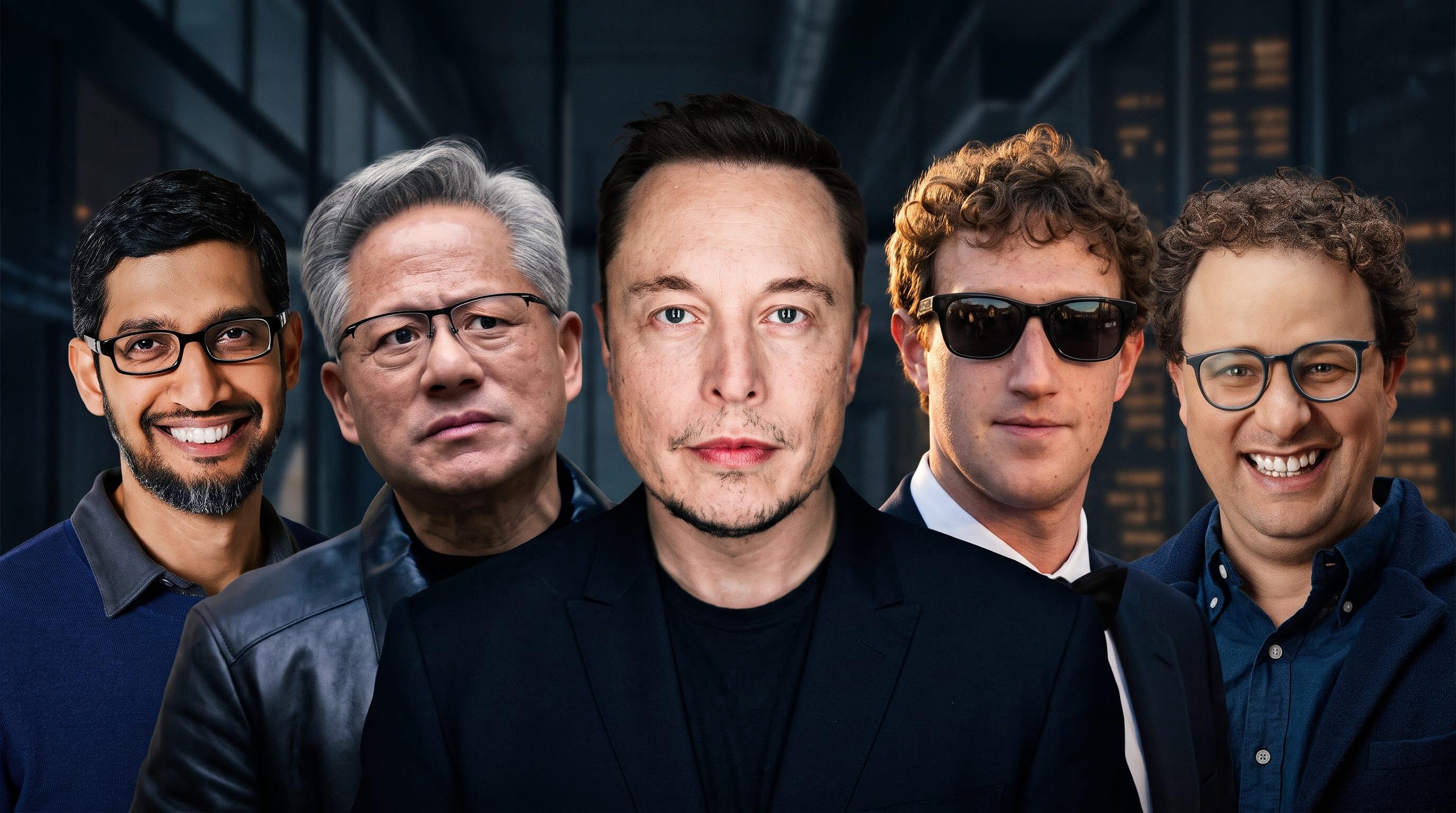
Illustration: the wider debate over the future of artificial intelligence.
A story larger than one executive
There is a temptation to frame this as the possible downfall of one of technology's most influential leaders. That would be premature.
Nvidia remains a major supplier with a vast customer ecosystem and valuable technology. Its board says it has no reason to believe secrets were compromised. The investigation is ongoing, and the most serious allegations have not been proven publicly.
Yet the events of November 2026 bring a larger concern into focus.
As artificial intelligence becomes essential to more businesses, economies and governments, how much of its infrastructure should depend on a handful of suppliers? And what happens when uncertainty surrounds the leadership of one of them?
The answers will involve far more than this investigation: semiconductor fabrication, electrical power, export controls, software, cloud services and the companies investing to become less dependent on Nvidia.
Jensen Huang remains Nvidia's chief executive. Whether the present controversy leads to lasting change is still unknown.
But the contest over who controls AI computing was already underway. It will continue long after the investigation reaches its conclusions.
This is Part One of The Battle for AI Power, a Harbour Creative Blogs series examining the companies, governments and individuals competing for influence over the infrastructure of artificial intelligence.
Reporting and sources
- Nvidia: Statement from the board of directors, 8 November 2026
- Nvidia: A message to our company, 8 November 2026
- Reuters: Nvidia investigates reports of foreign intelligence targeting its CEO, 8 November 2026
- Associated Press: Scrutiny of Nvidia's CEO and Washington ties, 10 November 2026
- Associated Press: Background on Alice Huang and Megaspeed, 10 November 2026
Watch
About this article
This article provides analysis and interpretation of available information. Sources and supporting material, where applicable, are linked within the article.
Found an error? Contact the editorial desk. See our editorial standards and corrections policy.
From the Harbour Creative Blogs archive
Keep exploring this story
Related reporting, people and places from our published coverage. These are editorial connections, not a popularity ranking.
Company
Nvidia
The chipmaker at the centre of global AI investment: its revenue, products, leadership, customers and commercial relationships.
Person
Jensen Huang
Nvidia's co-founder and former chief executive, whose leadership and departure feature in our technology reporting.
Subject
AI infrastructure
The data centres, chips, electricity and investment behind advanced artificial intelligence.