Researchers Searched 38,000 Kilometres for Bird Flu. What Did They Find?
A major aerial survey found limited evidence of H5 bird flu spreading inland. That is reassuring, but surveillance is not the same as proof the risk has ended.
 Harbour Creative Team
2 min read
Harbour Creative Team2 min read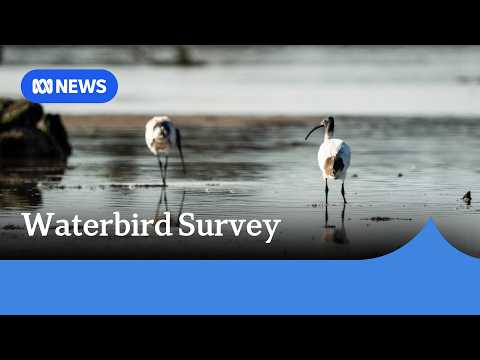
A large survey and a carefully limited result
Researchers surveyed tens of thousands of kilometres while looking for signs of H5 bird flu among Australia's waterbirds. ABC News reported that the annual eastern bird survey covered about 38,000 kilometres and found little evidence of the virus spreading inland. The result matters after serious outbreaks overseas raised concern for Australian wildlife.
But an aerial survey and laboratory testing answer different questions. Researchers can document the number, distribution and condition of birds from the air, and those observations can guide investigation. A lack of obvious widespread illness is not the same as testing every bird or proving that a virus cannot appear in a new location.
Why migratory birds complicate monitoring
Waterbirds use wetlands spread across enormous distances. Some species move in response to rainfall and water levels rather than following a timetable that matches the calendar. A survey that records one region during one period provides a snapshot, not an unchanging map of where birds will remain.
Officials must also distinguish highly pathogenic avian influenza from other causes of bird deaths. A sudden local cluster can require sample collection and animal-health assessment even where the wider regional picture looks relatively reassuring.
What this means for residents and poultry keepers
People should avoid handling sick or dead wild birds without advice from the appropriate wildlife or animal-health authority. Poultry operators need current biosecurity guidance relevant to their location, rather than assuming a national news report establishes conditions on their property.
The more important news is the existence of systematic surveillance and the limits that come with it. The accompanying ABC video shows the survey work. It should not be read as a declaration that Australia is free from future bird-flu risk.
Source and footage
The accompanying original ABC News video was published 14 November 2026. This is independent analysis based on published reporting; it is not original field footage, a new interview or an assertion that the event happened on this article's publication day. Original reporting.
About this article
This article provides analysis and interpretation of available information. Sources and supporting material, where applicable, are linked within the article.
Found an error? Contact the editorial desk. See our editorial standards and corrections policy.
From the Harbour Creative Blogs archive
Keep exploring this story
Related reporting, people and places from our published coverage. These are editorial connections, not a popularity ranking.