After the Storm, Why Does Power Take Longer to Restore on Some Streets?
South-east Queensland storms left tens of thousands of properties without electricity. Restoration depends on safety checks, damaged infrastructure and the order in which networks can be repaired.
 Harbour Creative Team
2 min read
Harbour Creative Team2 min read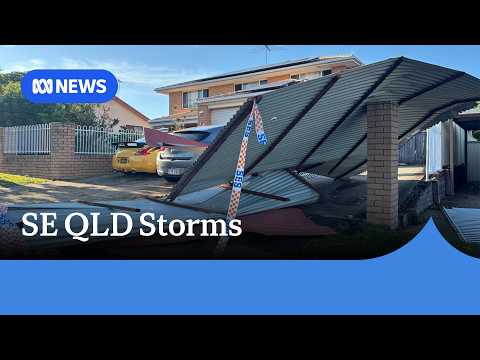
A blackout is not always one failed component
Severe storm cells damaged power infrastructure across parts of south-east Queensland, leaving tens of thousands of homes without electricity. ABC News reported Energex crews responding to damaged or fallen poles and warned that restoration could take time. Those are conditions documented during the November event, not a claim that every home remains without power today.
Distribution networks connect many streets through shared equipment. A damaged pole, fallen tree, line or substation component may interrupt service across a wider area. Restoring one feeder can bring many customers back, while a single home with damage to its private connection may need a separate inspection.
Safety affects the order of repairs
Crews generally need to make dangerous equipment safe and assess whether access is possible before replacement work. Storm debris, water and live lines can create hazards for workers and residents. Repairs may be prioritised by safety risk, system design and the number of customers affected rather than strictly in the order reports arrived.
That can be frustrating when a neighbouring street gets power back first. It does not necessarily mean a particular household has been overlooked. Live outage maps and distributor updates are more useful than comparing social-media reports that may describe different fault conditions.
What households can do during an outage
Use official electricity distributor notifications, keep clear of fallen wires and report electrical hazards. If a household depends on powered medical equipment, its emergency support arrangements should be established well before a storm season. Food safety, heating and cooling decisions depend on current official advice and individual circumstances.
After restoration, an appliance or switchboard problem may still need a licensed professional. This report explains the network response, not how to work on electrical systems. The relevant broader question is whether infrastructure planning and community preparedness reflect the frequency and severity of major weather events.
The original video
The accompanying ABC News video covers the reported event in 12 November 2026. This independent explanatory article does not present the broadcaster's footage as Harbour Creative Blogs' own or suggest it was recorded today. Source information.
About this article
This article provides analysis and interpretation of available information. Sources and supporting material, where applicable, are linked within the article.
Found an error? Contact the editorial desk. See our editorial standards and corrections policy.
From the Harbour Creative Blogs archive
Keep exploring this story
Related reporting, people and places from our published coverage. These are editorial connections, not a popularity ranking.