Australia’s Green Steel Race Moves From Promises to Commercial Tests
Proposed steel mills in Western Australia, Queensland and NSW aim to reduce emissions, but their success will depend on energy costs, raw materials, financing and competition with imports.
 Harbour Creative Team
2 min read
Harbour Creative Team2 min read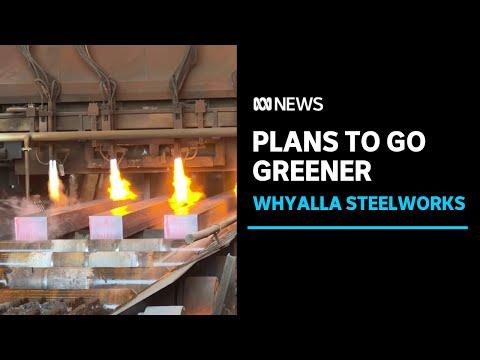
Australia has several competing proposals for low-emissions steel production, but turning an industrial ambition into a commercially viable mill is much harder than announcing a project.
A 13 November report from ABC News described efforts in Western Australia, Queensland and New South Wales to build cleaner steel capacity. The proposed facilities are trying to address an unusually difficult combination of challenges: a high-emitting industry, ageing infrastructure, cheaper imports and rising expectations about carbon emissions.
Why steel is difficult to decarbonise
Traditional primary steelmaking uses coal-based processes to convert iron ore into iron before further processing. Producing steel can therefore create substantial emissions even before transport and construction are considered.
Some proposed facilities would melt recycled scrap using electric-arc furnaces powered by cleaner electricity. Others aim to develop low-emissions iron from ore using direct-reduction processes, potentially with hydrogen.
These technologies are not interchangeable. Scrap-based production depends on the availability and quality of scrap metal, while green iron requires suitable ore, energy and substantial new capital investment.
Why projects face financial pressure
A mill must compete with imported steel on price and reliability. Developers need financing, grid connections, equipment, skilled staff and customers prepared to buy the output.
Australia exports significant amounts of scrap metal, giving proponents an argument for processing more of it locally. Yet if several mills are proposed in the same region, they may also compete for the same material.
Lessons from earlier promises
Past attempts to renew Australian steelmaking show that ambitious decarbonisation plans can be disrupted by business losses and industrial challenges. A proposal's emissions claims should be assessed with its capital costs, electricity assumptions and expected production volumes.
The embedded ABC video is an older explanation of electric-furnace steelmaking, not footage from the latest project announcements. It helps readers understand the process rather than offering proof that the new mills will be built.
The strongest evidence of progress will come from final investment decisions, construction, verified operating performance and actual sales, not the size of a press release.
Video: Archival ABC News footage on electric-arc steelmaking. It predates the November 2026 reporting on proposed Australian mills. Video hosted by ABC News (Australia) and embedded through YouTube.
Source: Read the supporting report.
About this article
This article is published by Harbour Creative Blogs. Sources and supporting material, where applicable, are linked within the article.
Found an error? Contact the editorial desk. See our editorial standards and corrections policy.
From the Harbour Creative Blogs archive
Keep exploring this story
Related reporting, people and places from our published coverage. These are editorial connections, not a popularity ranking.