Is Living Further from Sydney's CBD Still Worth the Savings?
A cheaper rent or home purchase in an outer suburb may come with a longer commute and higher transport costs. Here is how to compare the trade-offs.
 Harbour Creative Team
3 min read
Harbour Creative Team3 min read
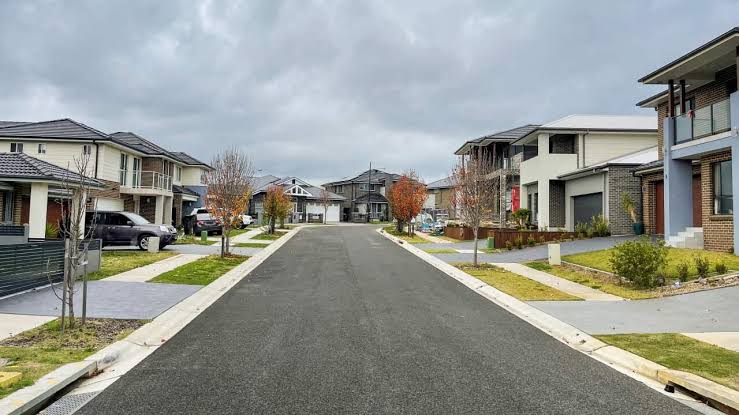
Image: Cover image supplied by Harbour Creative Blogs
A listing in outer Sydney can look dramatically more affordable than one closer to the CBD. But what the household saves on rent or a mortgage must be compared with the time and money needed to get to work, study, childcare and essential services.
Start with the total weekly cost
Take the actual rent or expected mortgage repayment for two comparable homes. Add council rates and maintenance for owner-occupiers, and utilities and insurance where they differ materially. Then add travel fares, fuel, tolls, parking and the cost of owning another vehicle if a second car becomes necessary.
A headline saving of several hundred dollars a month can shrink quickly. Conversely, a household that can work locally or remotely may keep much more of that saving.
Public transport is not a single fare
Transport for NSW lists Opal adult fare caps, including a weekly cap, but the price for a given traveller depends on when and how often they travel. Airport station access charges are treated separately.
The useful comparison is door to door: walk to the stop, waiting time, interchanges, the service frequency at night and whether the route still works after trackwork. A short journey shown on a transport map may not be a short daily commute from the actual front door.
Where the difference shows up
Rail-linked suburbs such as Campbelltown, Liverpool and Penrith offer different patterns of housing, employment and services. A home near the station is not equivalent to one that requires a bus or a long drive to reach it.
Parents also need to consider school enrolment areas, childcare pick-up windows and the reliability of the trip home. For households caring for older relatives, specialist appointments and hospital access can be just as important as the office commute.
Time has a cost, even without a bill
Two extra hours of travel each day can change the time available for sleep, exercise, family and community life. That does not mean outer suburbs are poor places to live. Many offer larger homes, useful local centres and strong communities.
It does mean a comparison should acknowledge what someone is giving up as well as what they gain. Some people value space more than proximity; others need flexible work or a short trip to manage caring responsibilities.
Before signing a lease or contract
Try the commute on a normal workday. Check the last reliable connection home. Visit the local shops and parks, and test mobile coverage and parking at the property. Our Sydney suburb guide directory provides a starting point for transport, council services and address-specific checks.
The question is not whether an outer suburb is cheaper on average. It is whether the particular home makes your whole week more affordable and workable.
About this article
This article provides analysis and interpretation of available information. Sources and supporting material, where applicable, are linked within the article.
Found an error? Contact the editorial desk. See our editorial standards and corrections policy.
From the Harbour Creative Blogs archive
Keep exploring this story
Related reporting, people and places from our published coverage. These are editorial connections, not a popularity ranking.
Local coverage
Sydney
The business, communities, housing, transport, sport and public decisions affecting metropolitan Sydney.
Local coverage
Campbelltown
The community, services and business developments affecting Campbelltown.
Local coverage
Penrith
Reporting on local roads, planning decisions, public services and growth across Penrith and St Marys.