Australian House Prices Are Falling. Who Actually Benefits?
Lower prices are not necessarily lower housing costs. What the downturn means for first-home buyers, mortgage holders and renters.
 Harbour Creative Team
2 min read
Harbour Creative Team2 min read
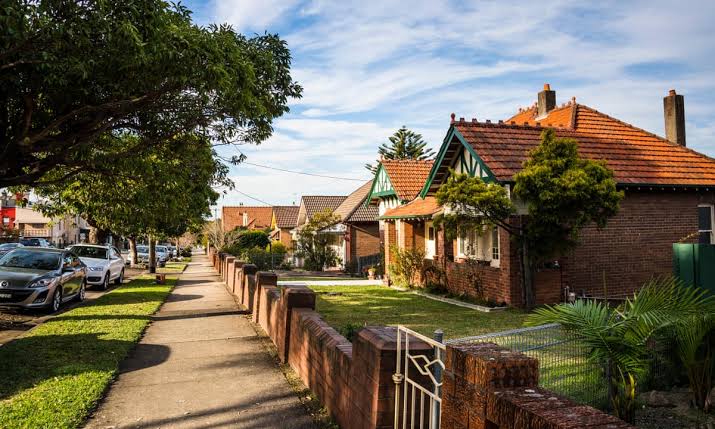
Image: Cover image supplied by Harbour Creative Blogs
Australian dwelling values have been falling, but that does not mean every household is suddenly better off. Cotality's November 2026 Home Value Index recorded a 1.2 per cent decline nationally in October, marking seven consecutive months of falls. The index put national values 6.7 per cent below the March peak.
Sydney fell 1.6 per cent during October. Brisbane fell 2 per cent. Those are index changes, not a forecast for every street or every dwelling.
A cheaper home is not always a more affordable home
A buyer needs to finance the purchase, not merely admire its lower sticker price. Higher mortgage rates or tighter lending assessments can reduce borrowing capacity even if the property costs less. Add stamp duty where applicable, insurance, council rates, maintenance and strata fees, and the full monthly expense may still exceed a household's budget.
For first-home buyers, falling prices can reduce the cash deposit needed. A greater choice of listings may give them more time to inspect and negotiate. Whether that becomes a successful purchase depends on savings, income and the loan actually offered.
Existing owners face a different calculation
An owner who is not selling does not automatically realise a loss because a housing index falls. Their immediate concern might be repayment affordability. Someone looking to refinance or sell soon, however, can be affected by a lower valuation, particularly when they purchased with a relatively small deposit.
The same downturn can improve one buyer's negotiating position and make another household's planned move harder.
Renters do not share every benefit
Rents are influenced by available supply, population, household size, local employment, vacancy and the terms of individual leases. Sale prices and rents do not move in lockstep. A dwelling may cost less to purchase while local rents stay high.
That matters to Australians who cannot yet afford a deposit. A decline in house prices is not equivalent to relief in their weekly budget.
Look beyond the city-wide percentage
Compare recent sales of genuinely similar properties, along with building condition, access to transport and household running costs. The savings from a lower purchase price can disappear if a commute requires another car or the house needs expensive repairs.
The sensible question is not simply who wins when property prices fall. It is whose total cost of secure housing actually improves.
This is general analysis, not personal financial advice.
About this article
This article provides analysis and interpretation of available information. Sources and supporting material, where applicable, are linked within the article.
Found an error? Contact the editorial desk. See our editorial standards and corrections policy.
From the Harbour Creative Blogs archive
Keep exploring this story
Related reporting, people and places from our published coverage. These are editorial connections, not a popularity ranking.
Local coverage
Sydney
The business, communities, housing, transport, sport and public decisions affecting metropolitan Sydney.
Local coverage
Melbourne
Local reporting, civic decisions and practical public-service updates in Melbourne.