Part 7 · News
David Warner Challenges the Sandpapergate Investigation. What Does the Record Show?
Warner says he was not told whether Australia's bowlers had been interviewed in 2018. Reporting that they did speak to investigators makes the distinction between missing interviews and withheld information crucial.
 Harbour Creative Team
4 min read
Harbour Creative Team4 min read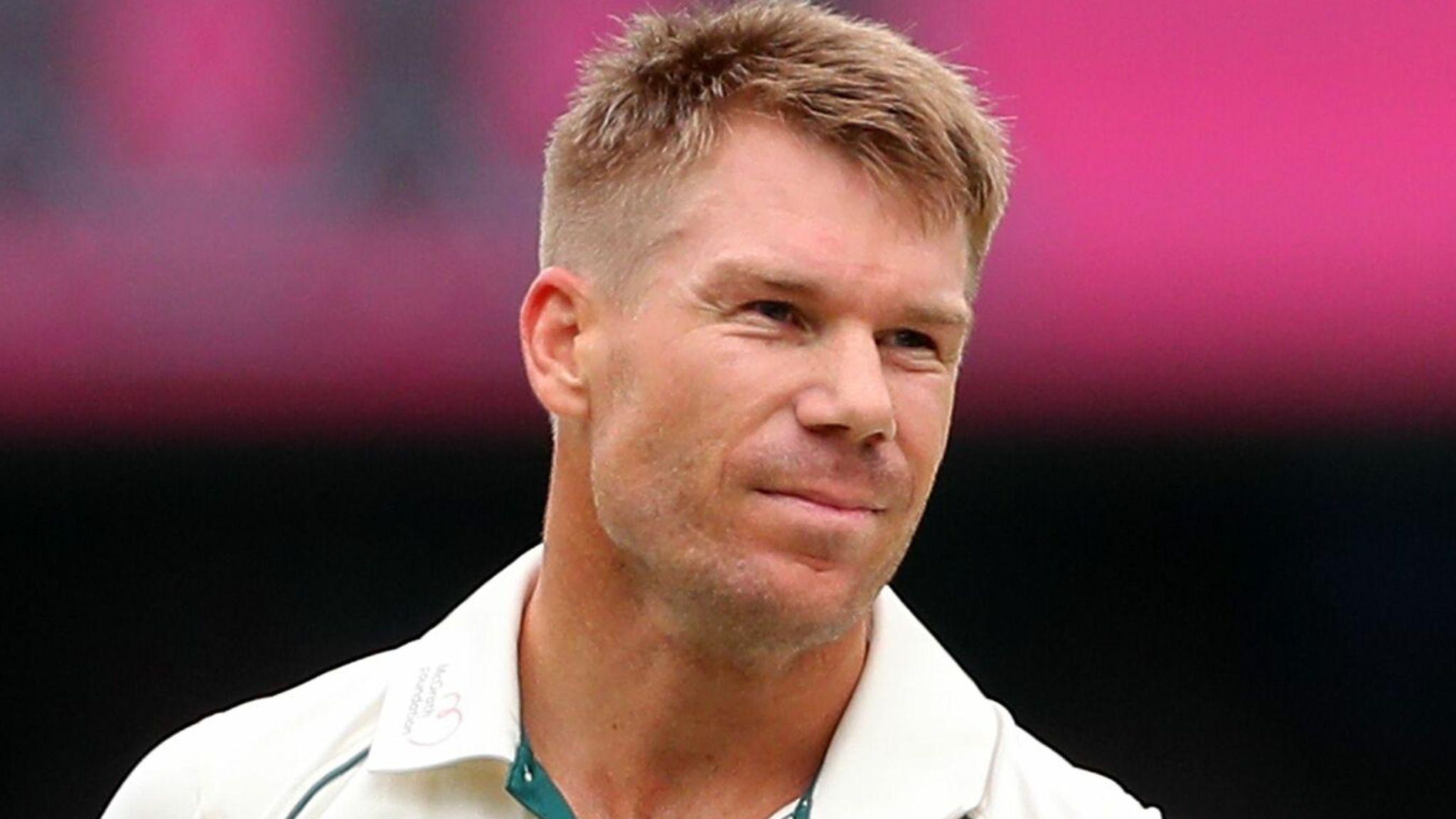
David Warner's latest intervention in Sandpapergate has shifted attention away from the mechanics of ball-tampering and towards how Cricket Australia gathered and shared evidence during its 2018 inquiry.
The former vice-captain, who served a 12-month ban, criticised the investigation in a series of public statements over the weekend of 14–15 November 2026. His principal question concerned whether three Australian bowlers, Josh Hazlewood, Mitchell Starc and Nathan Lyon, had been interviewed as the inquiry determined responsibility.
That is a question worth investigating carefully. But it has also produced a significant distinction between what Warner was told, what investigators actually did, and what was publicly disclosed.
What Warner first questioned
In a social media statement reported on 14 November, Warner said that, as far as he knew, the three bowlers had not been interviewed in 2018. He argued that if they had not been questioned, the inquiry could not confidently establish that they had no knowledge of the use of sandpaper.
He went further, suggesting the investigation had been directed towards placing responsibility on a limited group of players. Those are Warner's allegations. There has been no independent public finding establishing that Cricket Australia conducted a cover-up.
The 2018 sanctions themselves remain undisputed: Warner and captain Steve Smith received 12-month suspensions, while Cameron Bancroft received nine months. The current disagreement concerns the completeness and fairness of the process that followed the Cape Town incident.
What subsequent reporting established
ABC Sport reported on 15 November that sources connected with the Australian bowling group said the bowlers had spoken to investigators. That account conflicts with any categorical suggestion that they were never interviewed.
Warner's subsequent clarification was narrower: he said he had never been told that the bowlers had been interviewed or had provided statements, and questioned why he had not been given the evidence when making decisions in 2018.
Those statements need to be kept separate. An interview taking place is not the same thing as its contents being shown to every person investigated. Conversely, a sanctioned player's lack of access to information does not, by itself, establish that investigators concealed evidence improperly.
The full inquiry materials are not reproduced in the public reporting examined here. Without them, it is not possible to determine exactly what was asked, what was documented, what disclosures were required or whether the material could have changed any disciplinary outcome.
Why Chadd Sayers matters to the inquiry question
On 15 November, former touring squad member Chadd Sayers said he had not been interviewed by Cricket Australia. He also offered his recollection that knowledge of sandpaper was widespread and that it had been used earlier in the tour.
His claimed omission from interviews is a separate issue from Warner's question about the bowlers. One player's account of not being questioned cannot prove that others were not questioned. Together, however, these statements explain why the scope of the original investigation is again attracting attention.
Pat Cummins has denied advance knowledge of the sandpaper plan. Mitchell Starc has also rejected suggestions of prior knowledge. Those responses cannot be set aside simply because other former squad members offer contrary recollections.
What a meaningful review would need
Any fresh assessment would have to be more precise than a general demand for answers. It would need to establish who was interviewed, whether interviews or statements were recorded, the terms of the investigation, the evidence provided to the sanctioned players and any material that has emerged since.
Cricket Australia has indicated that it does not intend to reopen the 2018 inquiry. No new disciplinary findings have been announced in the reporting reviewed for this article.
That leaves a defined unresolved question: is the public disagreement about what happened on the field, or about whether everyone involved received and understood the same evidence afterwards? Warner's latest clarification makes that distinction unavoidable.
Related reporting: Warner's earlier response to Cummins and Chadd Sayers's account.
Sources: ABC News, 14 November · ABC News, 15 November · Reuters, 15 November.
About this article
This article is published by Harbour Creative Blogs. Sources and supporting material, where applicable, are linked within the article.
Found an error? Contact the editorial desk. See our editorial standards and corrections policy.
From the Harbour Creative Blogs archive
Keep exploring this story
Related reporting, people and places from our published coverage. These are editorial connections, not a popularity ranking.
Person
Pat Cummins
Australia's Test cricket captain and a principal voice in renewed discussion of the 2018 ball-tampering scandal.
Person
David Warner
Former Australian Test vice-captain and a central participant in the public discussion of Sandpapergate.
Subject
Sandpapergate
The 2018 Australian cricket incident, its consequences and the conflicting accounts that continue to emerge.