Why Home Insurance Is Becoming Unaffordable for Some Australians
Flood risk and rebuilding expenses are pushing insurance beyond some household budgets, with consequences for mortgages and recovery after disasters.
 Harbour Creative Team
2 min read
Harbour Creative Team2 min read
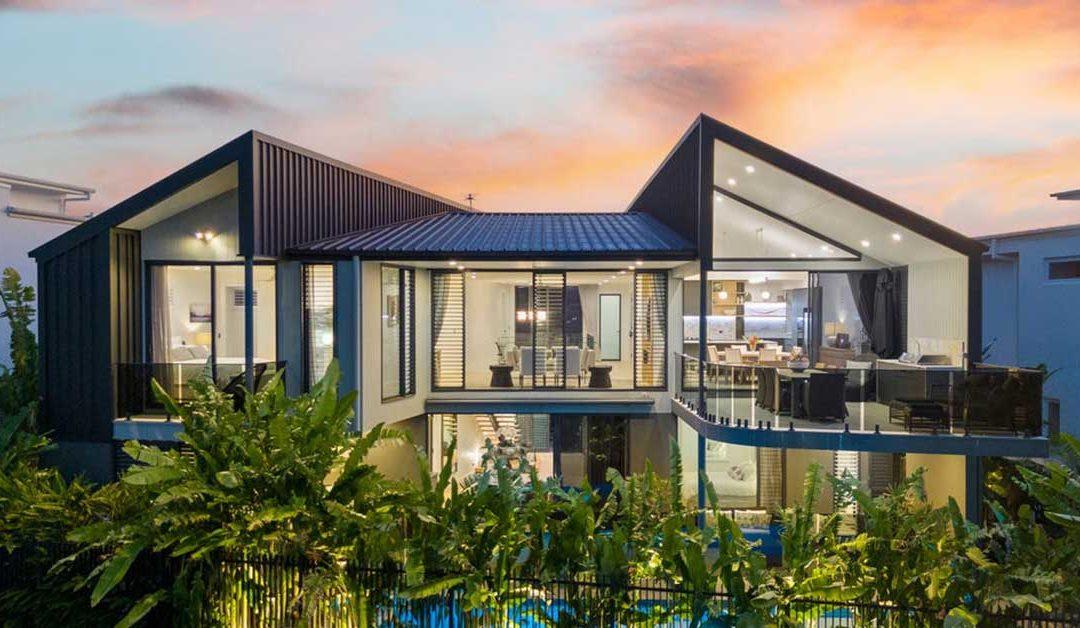
Image: Cover image supplied by Harbour Creative Blogs
Home insurance is meant to protect a family from a financial disaster. For some Australian households, the cost of that protection is itself becoming a financial strain.
The Actuaries Institute estimated that in the year to March 2024, around 1.61 million households faced premiums exceeding four weeks of gross household income. That was 15 per cent of households under its affordability-stress definition. These are historical research figures, not a current count for November 2026.
Why premiums can rise so sharply
Insurance pricing reflects more than a property's market value. Flood, cyclone, storm and bushfire exposure affect the risk of a claim; construction materials, labour, the cost of rebuilding and reinsurance also feed into the quote.
Two properties within a single suburb may attract different premiums depending on their exposure, building characteristics and an insurer's risk model. A postcode average can therefore conceal extreme differences.
Where the cyclone pool helps and where it does not
The ACCC's June 2026 insurance monitoring report found that Australia's cyclone reinsurance pool moderated premium increases for some medium- to high-cyclone-risk households and small businesses. It also said affordability concerns persisted.
The scheme is not a general guarantee of cheap flood insurance in every Australian town. Insurers' cover terms and the type of risk remain important.
The mortgage connection
Lenders commonly require insured security for a home loan. Households squeezed between repayments and insurance can therefore face a harder choice than simply whether to renew an optional product. Cutting insurance without understanding loan obligations or disaster exposure may create a serious risk.
That is particularly troubling where the property is difficult to sell and the household has limited financial reserves.
What should a homeowner compare?
Start with the insured rebuilding amount, excess, policy definitions of flood and storm, exclusions, temporary accommodation, and the process for a claim. Then compare like-for-like quotes. A policy with a lower annual premium may leave a household carrying a much larger excess or less cover.
Ask the insurer why the quote changed. Check whether building improvements or mitigation measures can be recognised, and find out about available complaints and hardship pathways. Removing flood cover from a property at known flood risk is a substantial decision, not merely an easy saving.
Insurance affordability is ultimately a housing problem too. A property is not affordable in any lasting sense if its owner cannot protect it against foreseeable losses.
About this article
This article provides analysis and interpretation of available information. Sources and supporting material, where applicable, are linked within the article.
Found an error? Contact the editorial desk. See our editorial standards and corrections policy.
From the Harbour Creative Blogs archive
Keep exploring this story
Related reporting, people and places from our published coverage. These are editorial connections, not a popularity ranking.