Part 6 · News
Chadd Sayers Breaks His Silence on What Australia Knew About Sandpaper
The 2018 touring squad member says knowledge of sandpaper extended beyond the three sanctioned players. His account adds a new witness, but the central claims remain contested.
 Harbour Creative Team
3 min read
Harbour Creative Team3 min read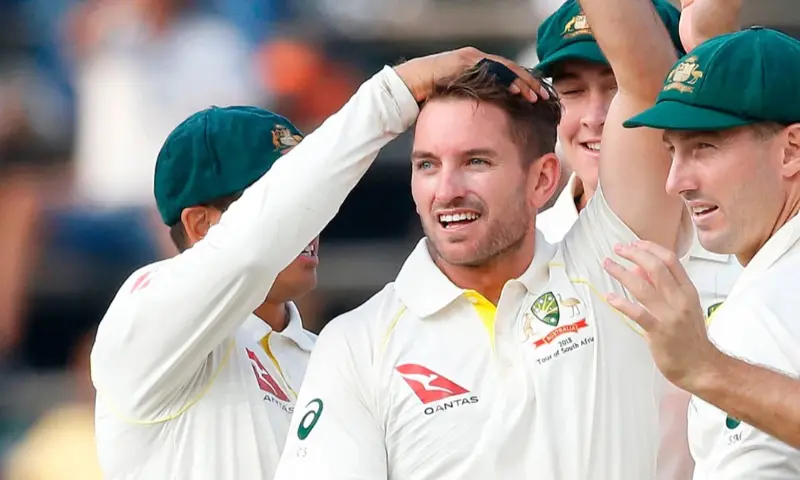
The renewed argument over Australian cricket's 2018 ball-tampering scandal has acquired a witness whose role was different from the players sanctioned at the time. Chadd Sayers, a fast bowler on the South Africa tour, said on Sunday, 15 November 2026 that he believed the entire Australian team knew sandpaper was being used to alter the ball.
Sayers was in the touring party but did not play the Cape Town Test at which Cameron Bancroft was filmed concealing sandpaper. His only Test appearance came in the following match at Johannesburg. That distinction matters. He was not one of the three players punished by Cricket Australia, but he says he was present around the team and its discussions.
The new account
Speaking to SEN Cricket, Sayers described his recollection of conversations in the changing room. He said sandpaper had been used in two Tests, including the earlier match at Port Elizabeth. He also said that while carrying drinks he was handed the material to take off the field.
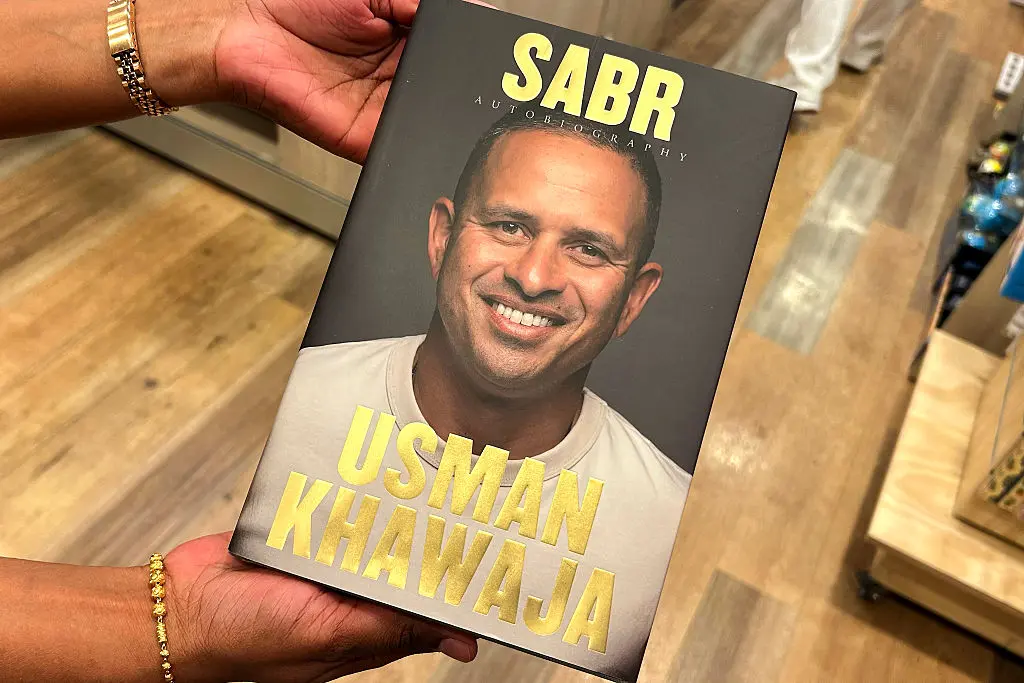
These are specific, new publicly reported assertions, not findings from a reopened investigation. They add detail to Usman Khawaja's account in his memoir Sabr, particularly on the question of whether use of the material began before the Cape Town match.
Sayers has also said he was not interviewed during Cricket Australia's original inquiry. He did not establish why he was omitted, and his account should not be confused with proof that no interviews took place with anyone else.
Why the disagreement is substantial
Pat Cummins has rejected suggestions that he knew sandpaper would be taken onto the field, and has disputed Khawaja's account at length. Mitchell Starc has likewise denied prior knowledge. Those denials remain part of the public record.
Sayers's comments present a sharply different version of how much was discussed within the touring squad. Speaking about the effort required to produce reverse swing, he argued that teammates needed to work together in their treatment of the ball. That is his reasoning for believing the knowledge was widespread; it is not independent proof of what each player knew.
The three sanctions from 2018 are established facts. Steve Smith and David Warner received 12-month bans, while Bancroft was suspended for nine months. The question now being argued is whether those punishments captured the full story, not whether the footage or sanctions existed.
What his testimony changes
The strongest significance of Sayers's intervention is that he offers an identifiable account from within the touring group. Readers are no longer weighing only Khawaja's book against the responses of players who remained central to Australia's team.
Yet the evidence remains incomplete in public. Sayers's statements have not been tested through a fresh independent process, and no public finding resolves the conflicting recollections. Cricket Australia has said it will not reopen its inquiry.
There is an important difference between multiple former players agreeing about a past event and a formal review establishing individual knowledge or misconduct. Sayers's account may increase pressure for a fuller explanation, but it does not itself change Cricket Australia's disciplinary record.
The useful next question is narrow: what documentary evidence, interview records or independently corroborated testimony exists from 2018, and what can it establish now?
Related reporting: What Usman Khawaja revealed in Sabr and Pat Cummins's response.
Sources: SEN Cricket interview and transcript · Reuters, 15 November · ABC News, 15 November.
About this article
This article is published by Harbour Creative Blogs. Sources and supporting material, where applicable, are linked within the article.
Found an error? Contact the editorial desk. See our editorial standards and corrections policy.
From the Harbour Creative Blogs archive
Keep exploring this story
Related reporting, people and places from our published coverage. These are editorial connections, not a popularity ranking.
Person
Pat Cummins
Australia's Test cricket captain and a principal voice in renewed discussion of the 2018 ball-tampering scandal.
Person
David Warner
Former Australian Test vice-captain and a central participant in the public discussion of Sandpapergate.
Subject
Sandpapergate
The 2018 Australian cricket incident, its consequences and the conflicting accounts that continue to emerge.