Australian Shopping Centres Are Becoming Everyday Service Hubs
Shops still matter, but supermarkets, medical services, food, public transport and entertainment now shape what makes a centre useful to its community.
 Harbour Creative Team
2 min read
Harbour Creative Team2 min read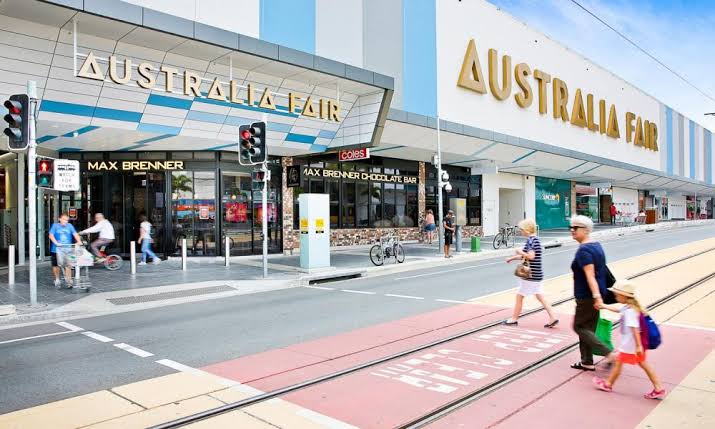
An Australian shopping centre is no longer easy to describe as a collection of clothing shops around a food court. Depending on the location, it may also contain clinics, supermarkets, gyms, libraries nearby, education services, entertainment and public transport connections. For many households, a centre functions as a regular destination rather than an occasional shopping trip.
That does not mean every shopping centre is thriving. Physical retail competes with online ordering, changing spending habits, operating costs and other precincts. The useful question is what makes a particular centre worth the journey.
Essential errands bring repeat visits
Grocery shopping, a prescription pickup and an appointment can make one stop more convenient than three separate journeys. Centres with a mix of recurring needs may attract visits that are less dependent on fashion trends or seasonal sales.
The ABS September 2026 household spending release showed increases in health and transport spending, alongside weaker movement in some discretionary categories. Those figures are national expenditure data and cannot be used to claim sales growth at any individual centre, but they offer a reminder that households allocate money across very different needs.
Transport access and public space matter
A suburban centre connected to a railway station can serve people who do not drive. Another may depend on a large car park and road access. Neither arrangement is necessarily superior for all users; the practical test is whether travel works for local households, including disabled visitors and parents with children.
In Sydney, centres in Parramatta, Hurstville and Penrith sit in different urban settings. A successful place may need clear pedestrian routes, accessible toilets, safe pickup points and places to sit, not simply more tenancies.
What makes a shopping precinct resilient
Retailers assess rent, foot traffic, competition and the spending power of their customers. Landlords must manage building maintenance, changing tenant needs and public expectations around safety and accessibility.
A centre that adapts can become a practical community asset. But commercial success is not identical to public value: the balance of free space, service access, evening activity and affordability determines whether the surrounding neighbourhood benefits. This is an editorial analysis of those forces, not a ranking of Australian shopping-centre operators.
Sources and method
Original analysis of published information, not first-person field reporting or commissioned interviews. Figures, claims and project milestones are attributed to the sources below and should be checked against later updates.
About this article
This article provides analysis and interpretation of available information. Sources and supporting material, where applicable, are linked within the article.
Found an error? Contact the editorial desk. See our editorial standards and corrections policy.
From the Harbour Creative Blogs archive
Keep exploring this story
Related reporting, people and places from our published coverage. These are editorial connections, not a popularity ranking.
Local coverage
Sydney
The business, communities, housing, transport, sport and public decisions affecting metropolitan Sydney.
Local coverage
Parramatta
Developments, business and sport affecting Parramatta and its surrounding suburbs.
Local coverage
Penrith
Reporting on local roads, planning decisions, public services and growth across Penrith and St Marys.