A Solomon Islands Lullaby Is at the Centre of a New Royalties Debate
The story behind a 1990s hit raises questions about sampled recordings, cultural attribution and who benefits when traditional songs reach global audiences.
 Harbour Creative Team
2 min read
Harbour Creative Team2 min read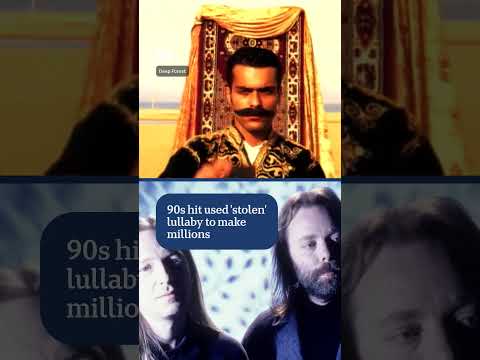
A familiar melody and a missing credit
ABC News reported renewed efforts to secure recognition and royalties for a Solomon Islands lullaby sampled in the 1990s hit Sweet Lullaby by French group Deep Forest. The source melody, known as Rorogwela, was sung by Afunakwa. For years, the recording was wrongly associated in some accounts with African communities, obscuring its actual origin.
The dispute involves more than a question of whether listeners like the finished song. It concerns how original recordings were gathered, labelled, licenced and commercially exploited, and whether the people whose voices and traditions became part of a successful release received recognition or financial benefit.
The rights question has more than one layer
Copyright in a particular sound recording is not identical to ownership of an underlying composition, and traditional music may not fit neatly within conventional individual-author rules. A modern commercial track can also involve separate rights for performers, publishers and those who own source recordings.
That complexity should not be used to dismiss a community's concerns. Equally, the word 'stolen' in a headline is a claim or characterisation, not necessarily a legal finding. Any determination of entitlement depends on the relevant law, agreements and evidence about the source recording.
Why this matters to Australian audiences
Australia has close cultural and political connections with Pacific nations. The way broadcasters, labels and creators handle Indigenous and traditional recordings has implications for research archives and contemporary collaborations as well as decades-old hits.
For a new project using traditional material, good practice begins with identifying the source community, establishing appropriate permissions and documenting attribution and benefit-sharing arrangements. The ABC video tells the story of renewed demands; it does not establish a final royalty settlement.
The original video
The accompanying ABC News video covers the reported event in 12 November 2026. This independent explanatory article does not present the broadcaster's footage as Harbour Creative Blogs' own or suggest it was recorded today. Source information.
About this article
This article provides analysis and interpretation of available information. Sources and supporting material, where applicable, are linked within the article.
Found an error? Contact the editorial desk. See our editorial standards and corrections policy.
From the Harbour Creative Blogs archive
Keep exploring this story
Related reporting, people and places from our published coverage. These are editorial connections, not a popularity ranking.