Why Australian Schools Are Rethinking AI, Screens and Pen-and-Paper Learning
Education ministers are looking at limits on classroom screen time and AI use, amid concern about literacy, numeracy and the value of focused learning.
 Harbour Creative Team
2 min read
Harbour Creative Team2 min read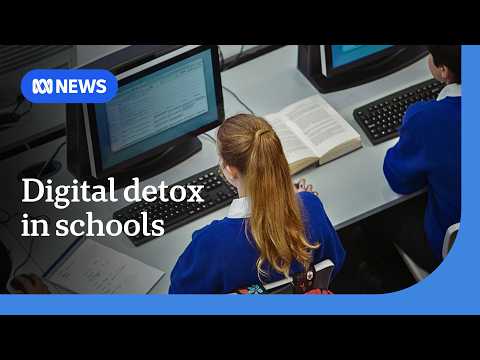
Australian education ministers have agreed to rethink the role of screens and artificial intelligence in classrooms, at a time when national and international assessments have raised concerns about students' reading and maths skills.
The discussion is not a proposal to eliminate every computer from schools. It is a question about when digital tools improve learning and when they replace activities that may be better completed by reading, writing, practising or discussing a problem with a teacher.
Why handwriting has returned to the debate
Education ministers agreed that NAPLAN writing tests for primary school students should return to pen and paper. Supporters of the move argue that handwriting and planning written answers remain important skills.
That decision does not establish that typing is harmful in every context. Students also need digital literacy, including how to evaluate online sources, use accessibility tools and work with technology in later education and employment.
The difficult question of AI
Generative AI can help explain a concept or provide examples. It can also produce answers that a student submits without understanding the work. Schools need policies that distinguish legitimate assistance from replacing the learning process.
Those choices become more complicated in classrooms with students of different ages and needs. A blanket rule may be simple to announce but difficult to apply fairly across subjects.
What evidence should guide schools
The decline in some assessment results has several possible contributors, including classroom disruption, curriculum choices and the wider effects of the pandemic. It would be premature to blame screens alone for every trend.
A practical approach evaluates whether tools improve comprehension and achievement, not simply whether devices are present.
The embedded ABC video covers the ministers' November discussion. As schools develop new policies, clear communication with parents and teachers will matter as much as the headlines.
The best outcome is neither technology everywhere nor technology nowhere. It is education where the tools serve learning rather than determine it.
Video: ABC News video on Australian education ministers' screen-time and AI proposals, November 2026. Video hosted by ABC News (Australia) and embedded through YouTube.
Source: Read the supporting report.
About this article
This article is published by Harbour Creative Blogs. Sources and supporting material, where applicable, are linked within the article.
Found an error? Contact the editorial desk. See our editorial standards and corrections policy.
From the Harbour Creative Blogs archive
Keep exploring this story
Related reporting, people and places from our published coverage. These are editorial connections, not a popularity ranking.