Australia’s Reading and Maths Results Have Fallen. What Comes Next?
New PISA findings show a long decline in key skills even as Australian students remain above the OECD average. The challenge is turning international rankings into practical classroom improvements.
 Harbour Creative Team
2 min read
Harbour Creative Team2 min read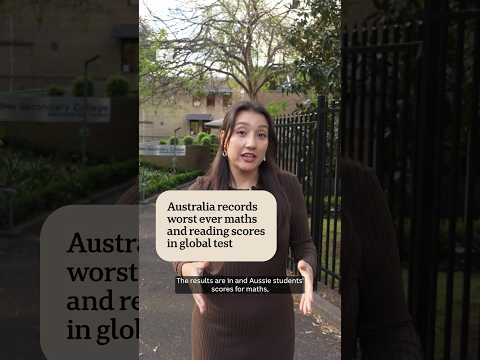
Australian 15-year-olds recorded their lowest reading and maths results in the latest Programme for International Student Assessment, continuing a decline that stretches back approximately two decades. The findings were released in September 2026 and remain central to debates over what needs to change in classrooms.
There is an important qualification: Australia still performed above the OECD average. A disappointing national trend does not mean every Australian student or school is failing.
What the test measures
PISA assesses students' ability to use reading, mathematics and science knowledge in unfamiliar situations. It is an international comparison rather than a test of every part of the curriculum.
The long-run decline matters because it suggests the system has struggled to sustain the achievements of earlier generations. But converting a change in points into a simple statement about the abilities of every student would be misleading.
Distraction and classroom conditions
Some students reported considerable disruption during lessons. Teachers and researchers have linked a productive learning environment with the ability to practise difficult work and receive useful feedback.
Technology is part of this debate, particularly when screens replace sustained reading and writing. It is not necessarily the only cause. Student attendance, teaching methods, school resources and family circumstances also influence learning.
Strengths worth preserving
Australian students performed comparatively well in an assessment of learning in the digital world. That finding complicates the idea that the solution is to remove technology indiscriminately.
Schools should be able to teach effective reading, writing and mathematics while helping students understand digital tools and the limits of AI-generated information.
What improvement would look like
Governments need to look beyond a ranking. Early support for students who fall behind, strong teacher preparation, manageable classroom conditions and accurate assessment are all potential parts of a response.
The video shows ABC's September reporting on the PISA results. This article places that evidence in the context of November discussions about screen time and AI in schools.
A meaningful response will be measured not by a new slogan but by whether more children become confident readers, writers and problem solvers over the coming years.
Video: ABC News video reporting the September 2026 release of PISA results. The figures remain important background to November school policy debates. Video hosted by ABC News (Australia) and embedded through YouTube.
Source: Read the supporting report.
About this article
This article is published by Harbour Creative Blogs. Sources and supporting material, where applicable, are linked within the article.
Found an error? Contact the editorial desk. See our editorial standards and corrections policy.
From the Harbour Creative Blogs archive
Keep exploring this story
Related reporting, people and places from our published coverage. These are editorial connections, not a popularity ranking.