Nvidia After Jensen Huang: Who Really Runs the Company Now?
The founder's departure has changed Nvidia's leadership, but the company has to keep making decisions on chips, customers and its next CEO.
 Harbour Creative Team
2 min read
Harbour Creative Team2 min read
Image: Cover image supplied by Harbour Creative Blogs
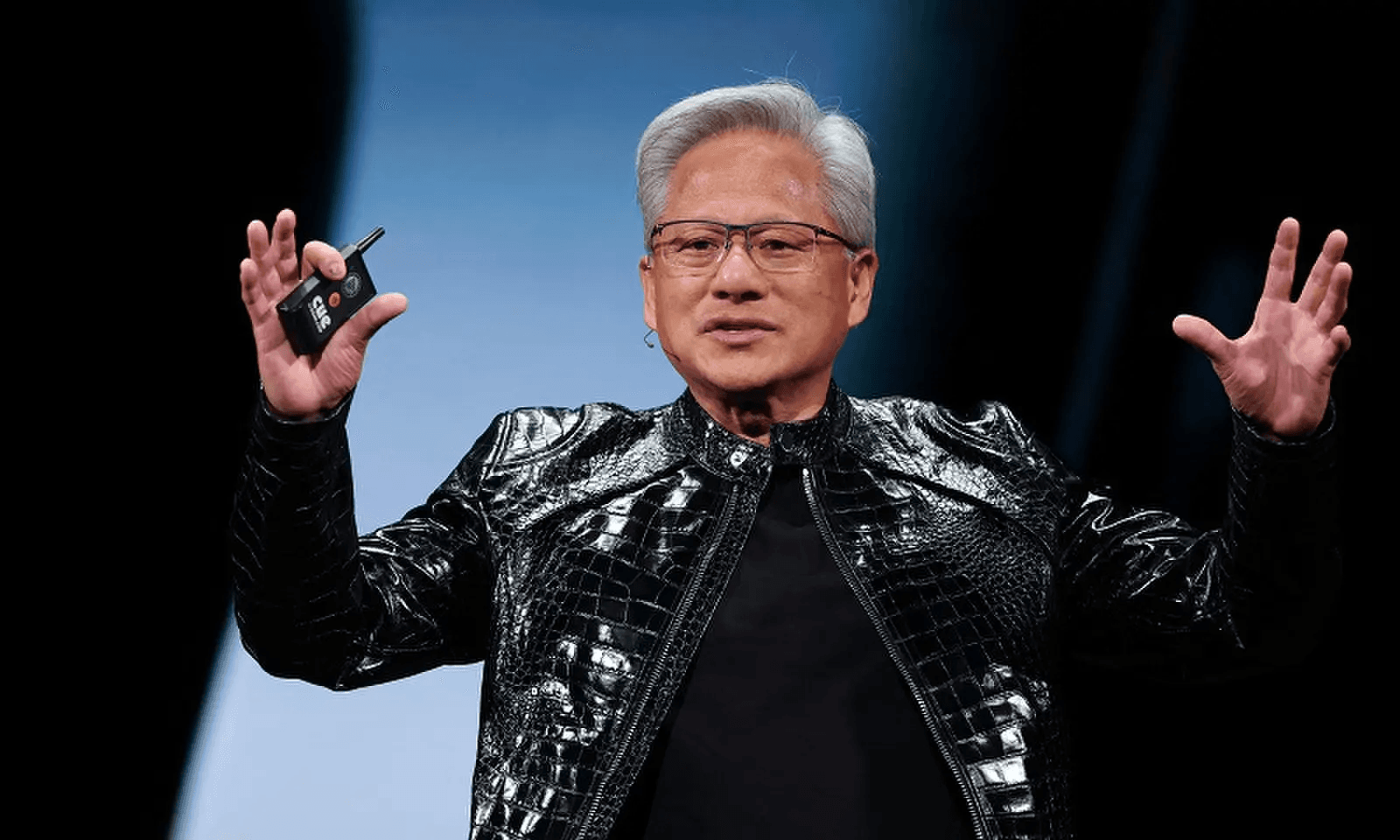
Nvidia's November leadership change has left investors with a question more important than whether Jensen Huang could return: who has the authority to make decisions at one of the world's most important technology suppliers?
What changed, according to Nvidia
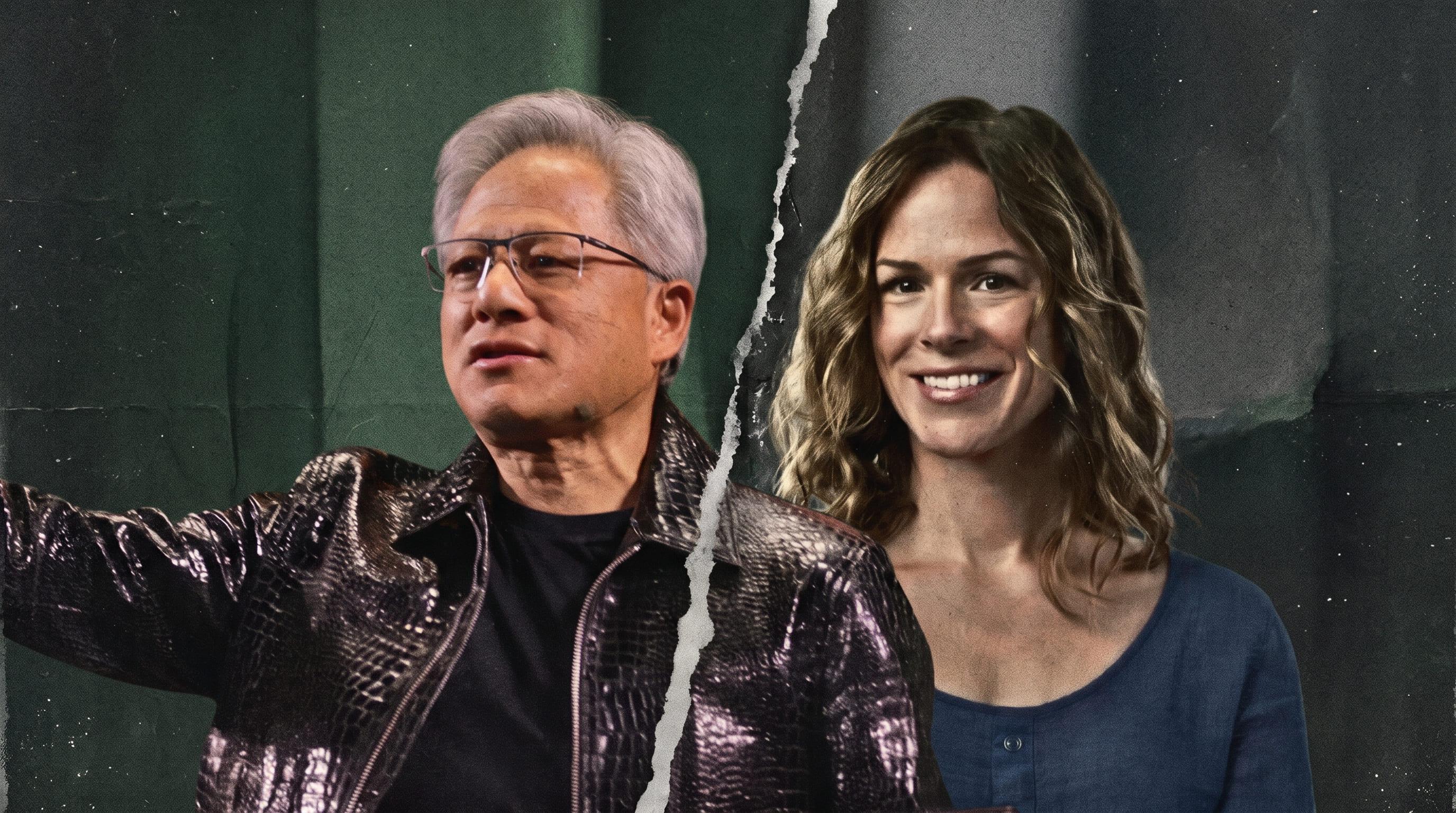
In its 12 November announcement, Nvidia said Huang had resigned as president, chief executive and a board member, effective immediately. Long-serving chief financial officer Colette Kress was appointed interim chief executive while retaining her CFO responsibilities. Harvey C. Jones became chair of the board.
The company's regulatory filing confirms the leadership changes. Speculation about a comeback should not be mistaken for a board decision or an announcement that the resignation has been reversed.
The difference between managing Nvidia and overseeing it
An executive team runs operations: engineering programmes, budgets, customers, staff, production commitments and product rollouts. A board appoints and supervises management, oversees risk and determines the succession process. Its members do not ordinarily decide the specifications of every new accelerator or negotiate every server delivery.
Kress has led Nvidia's finance operation since 2013 and understands both the numbers and the relationships that support its business. But a transition from founder-led strategy to interim management also tests how much authority is shared across engineering, sales, operations and finance.
What clients need to know
Nvidia sells through a network of cloud providers, equipment manufacturers, integrators and distributors. Those partners must plan deployments months or years ahead. They need dependable road maps, software support, supply allocations and a credible person authorised to settle commercial decisions.
There is no evidence in Nvidia's transition announcement that existing customer contracts have ceased operating. Nor is a leadership handover proof that customer relationships are unaffected. The measurable questions concern delivery, investment decisions, staff retention and whether the permanent succession process causes uncertainty.
What happens next?
Nvidia says it is considering internal and external candidates for a permanent chief executive. Investors should watch its formal announcements, financial filings and any changes to guidance or product schedules, rather than treat anonymous speculation as a settled outcome.
The larger story is whether the company can retain the technical discipline and customer trust developed under Huang while building a leadership structure capable of operating beyond one individual.
About this article
This article provides analysis and interpretation of available information. Sources and supporting material, where applicable, are linked within the article.
Found an error? Contact the editorial desk. See our editorial standards and corrections policy.
From the Harbour Creative Blogs archive
Keep exploring this story
Related reporting, people and places from our published coverage. These are editorial connections, not a popularity ranking.
Company
Nvidia
The chipmaker at the centre of global AI investment: its revenue, products, leadership, customers and commercial relationships.
Person
Jensen Huang
Nvidia's co-founder and former chief executive, whose leadership and departure feature in our technology reporting.
Person
Colette Kress
Nvidia's longtime finance chief and interim CEO following Jensen Huang's November 2026 departure.