Nvidia's Next Earnings Test Is About More Than Revenue
Chip demand is only part of the earnings story. Margins, customer concentration, product delivery and the leadership transition all matter.
 Harbour Creative Team
2 min read
Harbour Creative Team2 min read
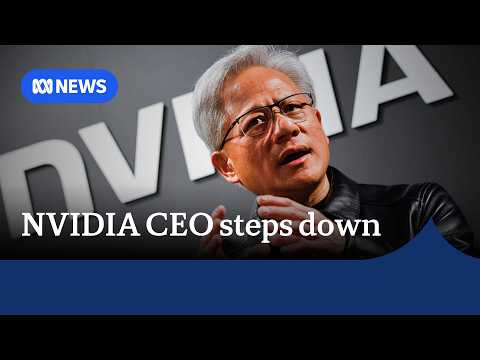
Image: Cover image supplied by Harbour Creative Blogs
Nvidia is due to report its fiscal 2027 third-quarter results on Tuesday, 17 November, in the United States. That is Wednesday, 18 November, in Sydney. The company's official schedule places its earnings call at 2pm Pacific time.
This is a pre-results analysis. The numbers and management commentary had not been released when this article was prepared. They should not be presented here as established results.
Revenue is one piece of the story
Investors want to know not only how fast sales are growing, but what is being sold and how concentrated the spending is. Large AI infrastructure projects involve processors, networking, systems and integration. Revenue may depend on the timing of a relatively small number of significant deliveries.
Nvidia's securities filings describe concentration among some direct customers, without naming every buyer behind those figures. The distinction matters when a rise or fall in spending by one customer could influence the reported quarter.
Why margins deserve equal attention
Gross margin reflects the relationship between revenue and the direct costs of delivering products. Even strong demand does not guarantee improving margins if systems become more complex or manufacturing and supply costs increase.
Investors will also read expenses, cash flow and the outlook carefully. Building the next generation of hardware requires engineers, software tools, customer support and substantial planning with suppliers.
The leadership question
Following Jensen Huang's resignation, Colette Kress has become interim chief executive as well as chief financial officer. She has spent years explaining Nvidia's finances to investors. This time she faces questions that reach beyond quarterly numbers: whether its product road map, capacity planning and customer commitments remain on track.
No executive can remove uncertainty from future demand or trade rules. Useful guidance should clearly distinguish what is already ordered, what is forecast and what depends on external conditions.
What Australian investors should take from it
Superannuation funds and exchange-traded funds can hold US technology shares, but exposure varies with the product. An investor's account does not move in line with Nvidia's share price unless its actual portfolio has the same concentration.
Once the announcement is public, the appropriate follow-up is to compare the published results with the previous quarter and Nvidia's own guidance. Until then, predictions remain predictions rather than facts.
About this article
This article provides analysis and interpretation of available information. Sources and supporting material, where applicable, are linked within the article.
Found an error? Contact the editorial desk. See our editorial standards and corrections policy.
From the Harbour Creative Blogs archive
Keep exploring this story
Related reporting, people and places from our published coverage. These are editorial connections, not a popularity ranking.
Company
Nvidia
The chipmaker at the centre of global AI investment: its revenue, products, leadership, customers and commercial relationships.
Person
Colette Kress
Nvidia's longtime finance chief and interim CEO following Jensen Huang's November 2026 departure.
Subject
AI infrastructure
The data centres, chips, electricity and investment behind advanced artificial intelligence.