Sydney's Office Market Has Space Available. Why Do Some Buildings Still Win Tenants?
CBD vacancy, building quality and the shift towards better-connected workplaces are changing the commercial property market, but not every office is competing on equal terms.
 Harbour Creative Team
2 min read
Harbour Creative Team2 min read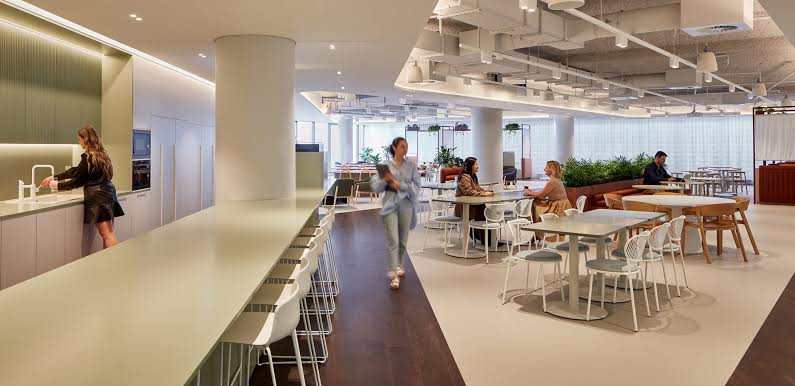
A half-empty office and a sought-after building can exist a few streets apart. That contradiction is central to Sydney's commercial office market. Businesses are reconsidering how much space they need, but the space they choose must still work for clients and staff.
The Property Council of Australia's 2026 NSW office-market discussion reported Sydney CBD vacancy holding at 13.8 per cent over the preceding six months. Prime-grade space had a vacancy rate of 13.2 per cent, compared with 14.9 per cent for secondary stock. Those numbers describe market categories at the point of the report, not vacancy at every individual address.
Why location and quality can outweigh floor area
Companies seeking to attract staff back to workplaces are evaluating more than desk counts. Access to rail, meeting facilities, energy performance, building maintenance and nearby services can make a modern office more attractive even at a higher nominal rent.
Older buildings can still compete, particularly where costs are lower and layouts suit smaller teams. But landlords may need to invest in refurbishments, flexible layouts and better amenities to meet tenant expectations. 'Flight to quality' is a market description, not proof that all refurbished buildings will succeed.
Outer markets face a different test
The same industry report described pressure on Sydney's outer office markets. A business relocating from one suburban office to a CBD tower changes demand on both sides. Local service providers, cafes and transport patterns can feel that movement, even when the company retains the same employees.
Parramatta and North Sydney have distinct advantages and constraints. A workplace near a station is more useful when the staff actually live along compatible routes. An apparently cheaper office can also impose commuting and parking costs on employees.
What vacancy does not reveal
A vacancy rate is an estimate of available stock, not a direct measure of rent concessions, building profitability or how many people attend on a typical Tuesday. New development supply and pre-commitments can alter the picture before a building opens.
The Property Council said more than 61 per cent of future CBD supply was already pre-committed in its 2026 reporting. Tenants and investors should examine the date, grade and geography of a figure before treating it as a forecast. The bigger story is a market sorting buildings by usefulness, not simply choosing between offices and working from home.
Sources and method
Original analysis of published information, not first-person field reporting or commissioned interviews. Figures, claims and project milestones are attributed to the sources below and should be checked against later updates.
About this article
This article provides analysis and interpretation of available information. Sources and supporting material, where applicable, are linked within the article.
Found an error? Contact the editorial desk. See our editorial standards and corrections policy.
From the Harbour Creative Blogs archive
Keep exploring this story
Related reporting, people and places from our published coverage. These are editorial connections, not a popularity ranking.
Local coverage
Sydney
The business, communities, housing, transport, sport and public decisions affecting metropolitan Sydney.
Local coverage
Parramatta
Developments, business and sport affecting Parramatta and its surrounding suburbs.
Local coverage
North Sydney
Commercial, transport and community developments in North Sydney.