Sydney in 2030 Will Be Shaped by Decisions Already Being Made
Housing near stations, an operating new airport and major rail projects will reshape the city. The question is whether ordinary neighbourhood services keep pace.
 Harbour Creative Team
3 min read
Harbour Creative Team3 min read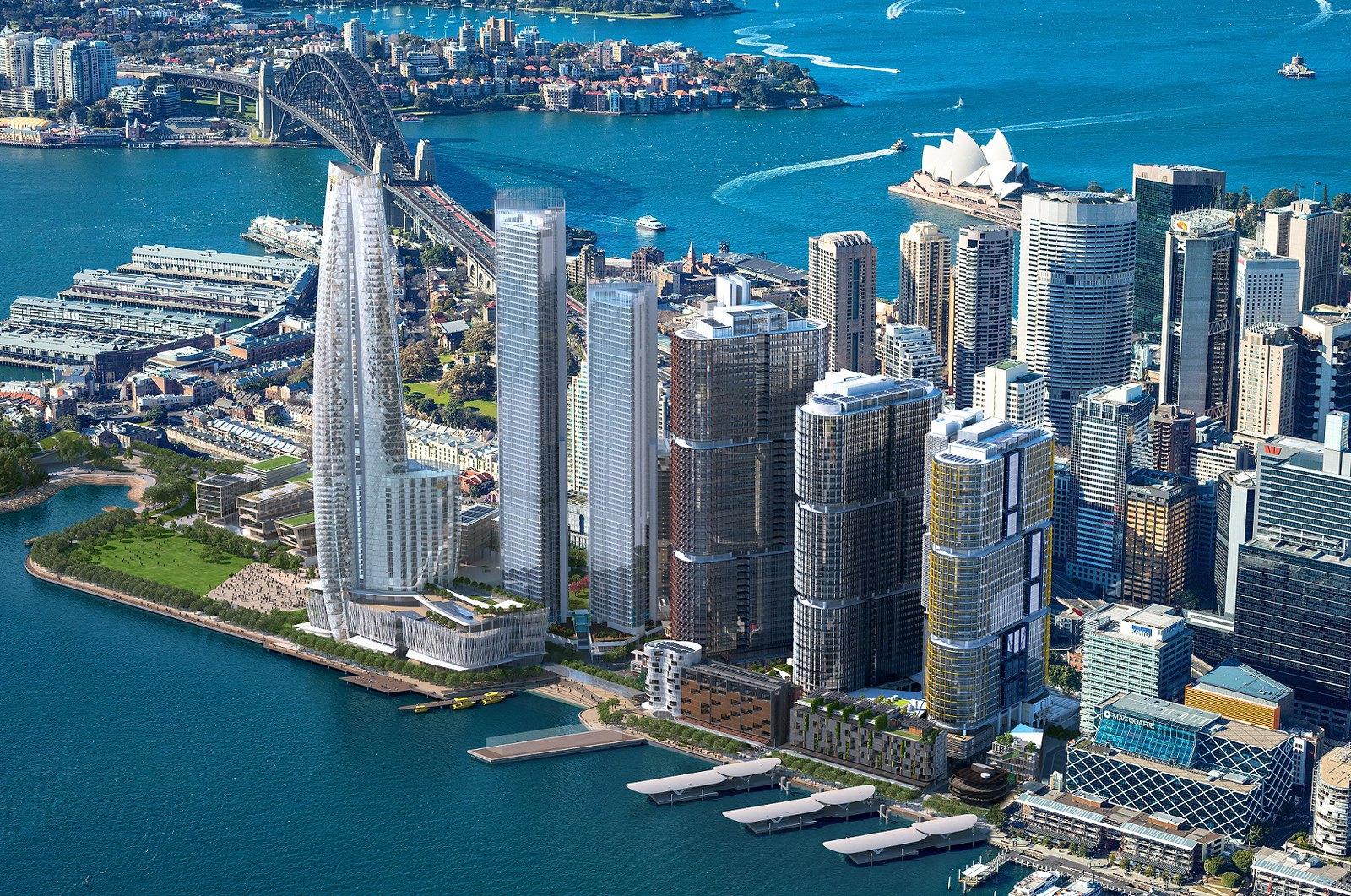
Sydney in 2030 is close enough for today's planning decisions to shape everyday experience, but too far away for responsible reporting to promise a precise picture. What can be examined now are the projects underway, the targets governments have adopted and the practical questions they leave unresolved.
A new airport is already operating in Western Sydney. Governments are encouraging additional housing around established transport. Metro West has completed tunnelling but is targeting an opening in 2032, beyond the 2030 horizon. These are three different stages of city change, not one continuous opening programme.
More homes near stations will change streets
NSW's planning approach aims to direct more housing towards areas with transport and existing services. That may put more residents near jobs and shorten some car journeys, but it also increases demand for schools, parks, childcare, waste collection and public space.
Whether residents experience improvement will depend on building design and service delivery, not just the number of approvals. A train station can be close by map distance yet difficult to reach because of busy roads or inaccessible footpaths.
An airport can transform travel patterns before its rail link arrives
Western Sydney International's first passenger flights began in October 2026. Its effect on the region now depends on routes, workplaces, freight, surface transport and the pace of surrounding investment.
For a family deciding between airports, the useful comparison is the whole journey: flight price, ground travel, luggage, parking, available departures and connections. A 24-hour airport adds choice, but it does not erase the need for safe and reliable transport on the ground.
The projects scheduled after 2030 still influence today's market
Metro West, targeted for 2032, can affect investment, construction and planning long before it carries a passenger. It is essential, however, not to treat promised future access as a service available to someone signing a lease this year.
Major announcements also invite exaggerated stories about instant property gains. A home's price depends on condition, location, supply and the broader economy; a future station or corridor cannot guarantee a return.
A scorecard for the city we actually get
By 2030, residents should be able to ask whether promised homes have been completed, whether the services attached to growing areas are open, and how many people can reach work without an unreasonable journey. Local transport accessibility, healthcare availability, stormwater and green space deserve the same attention as headline infrastructure budgets.
Our Sydney suburb guides, infrastructure explainer and Metro reporting offer a way to follow specific places and milestones. Sydney's future will be made less by a single grand announcement than by hundreds of decisions about how people actually live.
Sources and method
This is an original synthesis of linked public information, not an on-the-ground investigation or original interview. Treat any future timetable or forecast as provisional unless the responsible authority confirms an outcome.
About this article
This article provides analysis and interpretation of available information. Sources and supporting material, where applicable, are linked within the article.
Found an error? Contact the editorial desk. See our editorial standards and corrections policy.
From the Harbour Creative Blogs archive
Keep exploring this story
Related reporting, people and places from our published coverage. These are editorial connections, not a popularity ranking.
Local coverage
Sydney
The business, communities, housing, transport, sport and public decisions affecting metropolitan Sydney.
Organisation
NSW Government
Government decisions affecting services, planning and households across New South Wales.
Local coverage
Parramatta
Developments, business and sport affecting Parramatta and its surrounding suburbs.