Part 3 · Analysis
Could Sandpapergate Lead to New Bans? What Happens Next
Cricket Australia says it will not reopen its 2018 investigation. What would need to change for fresh sanctions, what do cricket's rules allow and who is actually under scrutiny?
 Harbour Creative Team
8 min read
Harbour Creative Team8 min read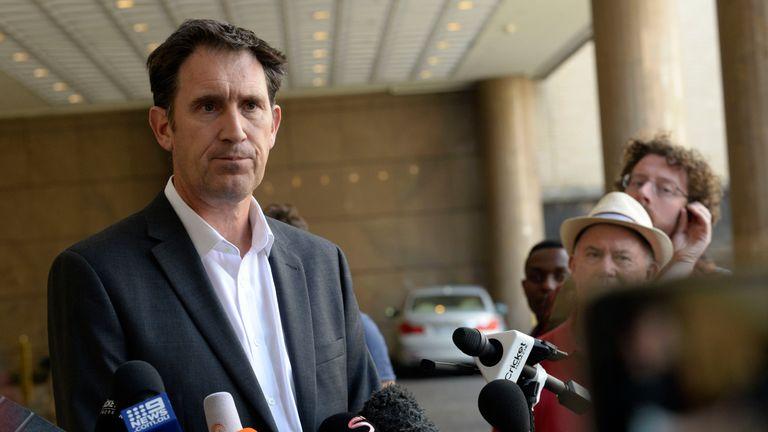
Sandpapergate: The Story That Won't Go Away — Part 3
Reporting cutoff: 12 November 2026. Accounts of events in 2018 are attributed to the speakers and sources identified below.
The latest Sandpapergate dispute has produced a familiar public question: could more Australian cricketers be banned?
As of 12 November 2026, there is a simpler and more important fact: no new bans have been announced, and Cricket Australia has said it does not intend to reopen its investigation into the 2018 Cape Town ball-tampering scandal.
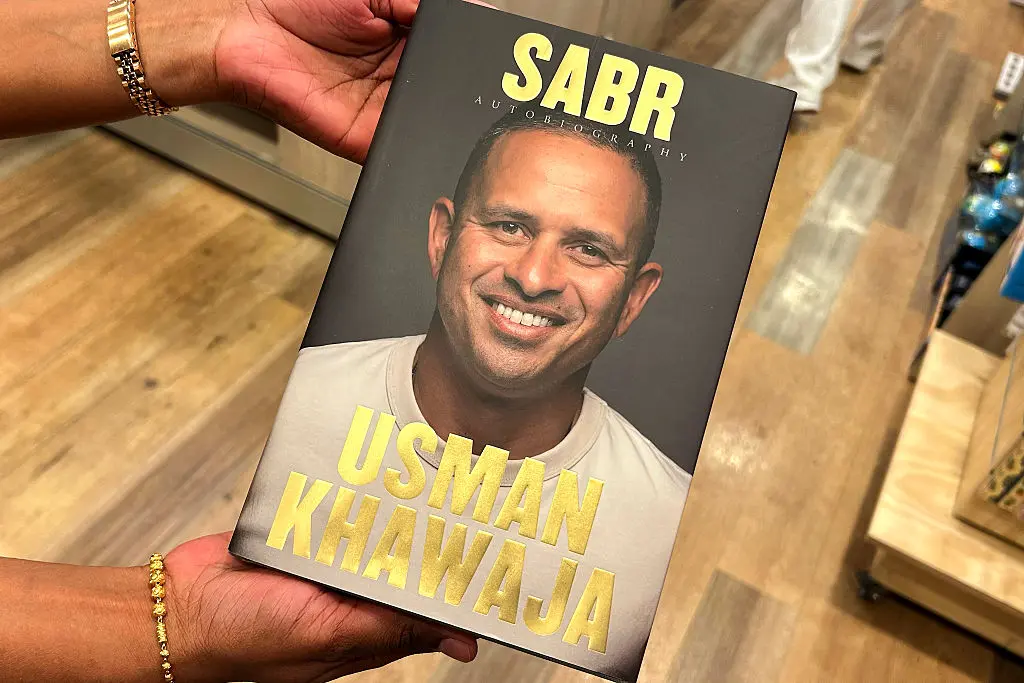
That does not make the controversy irrelevant. Usman Khawaja's autobiography has raised questions about the completeness of the original investigation and prompted contradictory statements from players and former coaches. But the path from a contested claim in a memoir to a formal disciplinary penalty is neither immediate nor automatic.
To understand what may happen next, it helps to separate the governing body's current decision, cricket's disciplinary rules and the reputational consequences of the renewed argument.
Cricket Australia's position: no new investigation
Cricket Australia chief executive Todd Greenberg addressed the issue on 10 November, days after extracts from Khawaja's book Sabr began attracting attention.
Greenberg said the claims contained details that conflicted with accounts supplied by other participants. He also pointed out that players had been encouraged to come forward during the 2018 investigation and had had opportunities to share information since then.
He concluded that the governing body saw no compelling reason to reopen the case. ABC News reported his comments; SEN published a more extensive account of his remarks.
That is the clearest available answer to the question of new Cricket Australia sanctions today. Without a reopened process or some other disciplinary action, the publication of a memoir does not create a new ban.
Cricket Australia's chair, David Boon, has also publicly supported Test captain Pat Cummins. Reuters reported on 12 November that Boon saw no reason to reopen the matter and backed Cummins' continued leadership.
These statements indicate the board's present position. They do not determine the truth of every disputed recollection.
What penalties were imposed in 2018?
The original Cricket Australia penalties were substantial.
- Steve Smith: 12-month suspension from domestic and international cricket in Australia.
- David Warner: 12-month suspension.
- Cameron Bancroft: nine-month suspension.
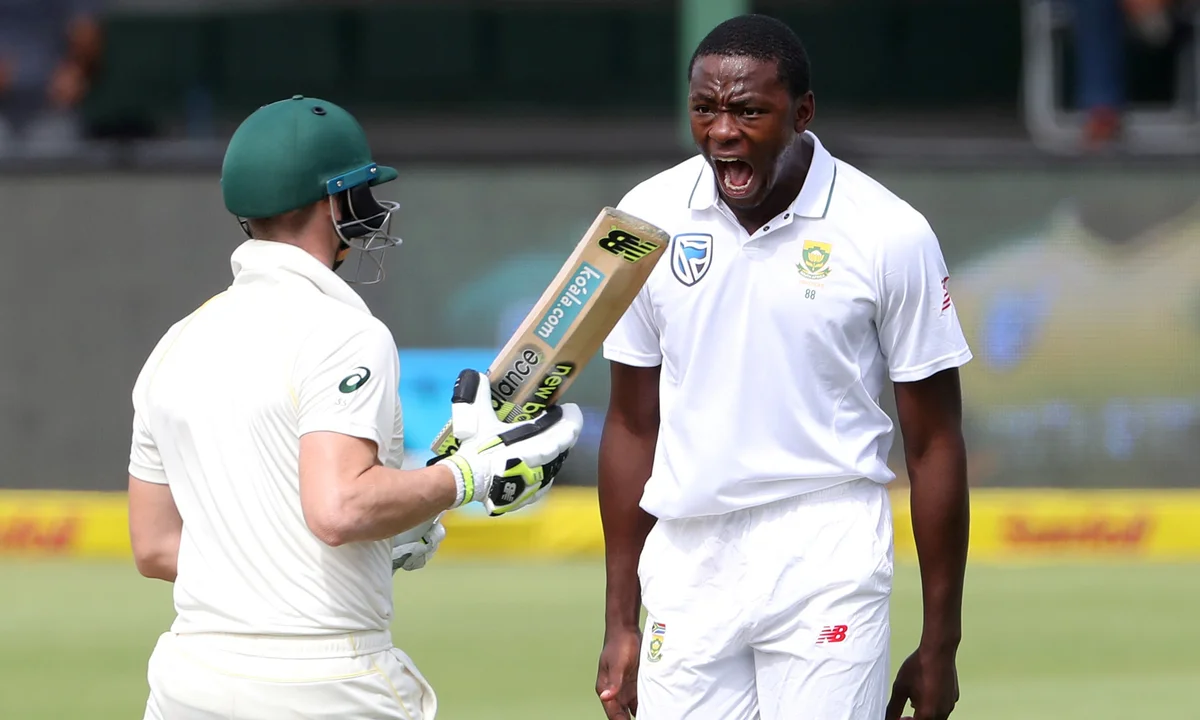
The sanctions followed Cricket Australia's investigation after Bancroft was filmed attempting to alter the ball with sandpaper during the third Test against South Africa at Cape Town. All three later returned to professional cricket.
Those penalties should not be confused with the separate ICC disciplinary framework. In 2018, the ICC took its own action, and later that year it increased the potential sanctions available for ball-tampering offences. Cricket Australia's account of the ICC rule change documents the shift.
A ban is not simply a consequence of being named by another player. It follows an applicable rule, a jurisdiction, an evidence-based process and a formal decision.
Can an old incident be investigated again?
In principle, governing bodies may receive and consider new information. Whether a particular case can be reopened, what rule would apply, and whether time limits or procedural requirements intervene depends on the governing body's regulations and the facts.
There is no sound basis, from the current reporting alone, to promise that the 2018 case will be reopened or that any particular person would be sanctioned. Cricket Australia has expressly said it sees no compelling reason to revisit it.
A meaningful change could involve independently verifiable new material: contemporaneous records, direct testimony tested in a formal process, or evidence contradicting an important finding. Public disagreement alone does not provide the same evidentiary foundation.
Even if a governing body revisited the event, each allegation would have to be considered on its own facts. Knowing about a general culture of ball management would not automatically establish knowingly participating in a prohibited scheme.
What does the ICC prohibit?
Cricket laws and playing conditions restrict unfairly changing a ball's condition. Umpires can take on-field action for breaches, including replacing the ball and awarding penalty runs under relevant playing conditions, and report the matter for disciplinary consideration.
The ICC's Code of Conduct provides the broader disciplinary framework for misconduct by players and support personnel.
The ICC strengthened its treatment of ball-tampering following the 2018 controversy. But quoting today's maximum penalty does not establish what sanction could lawfully be applied to alleged conduct from 2018. The applicable rules, dates, jurisdiction and procedural safeguards would have to be assessed.
That is why headlines proposing automatic future bans against named current players overreach the available evidence.
Who faces the greatest attention?
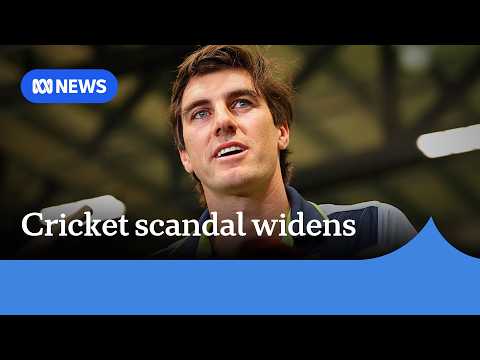
Pat Cummins is a prominent focus because he is now Australia's Test captain and was part of the 2018 bowling group. He was among the players who publicly denied knowledge of a foreign substance being taken onto the field in Cape Town. On 12 November, ABC News reported that Cummins planned to address reporters at 9:30am AEDT on Friday, 13 November, after reviewing Khawaja's assertions.
That forthcoming press conference is a clear news event to watch. It is not evidence that he faces a ban. Cricket Australia's chair has reiterated confidence in his captaincy.
Mitchell Starc has already rejected suggestions that his understanding of the incident has changed. He referred to the bowlers' earlier statement denying knowledge of the foreign substance. No new disciplinary allegation against him has been established.
Josh Hazlewood and Nathan Lyon were also part of the 2021 joint bowlers' denial. Their position should not be treated as disproved merely because another participant has offered a wider account of team knowledge.
David Warner has renewed public criticism of the 2018 investigation while endorsing Khawaja's version of events. He already served a 12-month suspension over the original scandal. His statements have attracted attention, but that is different from a new announced charge.
Steve Smith and Cameron Bancroft remain central figures in the historical case because of the 2018 findings and sanctions. The current controversy has not created new formal penalties against them.
Former coaches have been asked to respond to allegations about staff awareness. Darren Lehmann and Graeme Hick have rejected the suggestion that they knew of the sandpaper plan. No fresh formal finding against them has been announced.
This is a list of people receiving scrutiny, not a list of people proven to have committed additional misconduct.
Could careers be affected without a formal ban?
Yes, in a general sense, public controversy can affect reputation, relationships, commentary around selection and the trust placed in leadership. But such outcomes depend on actual decisions made by governing bodies, selectors, employers and individuals.
It would be misleading to suggest that a selection change or leadership removal is expected without evidence. At this reporting cutoff, Cricket Australia's leadership had publicly backed Cummins.
The immediate professional effect is more likely to be media attention and additional demands for explanations than any automatically imposed disciplinary penalty.
Why the exact language matters
The dispute turns partly on what Khawaja meant by collective responsibility.
In a detailed 12 November examination, ABC News explored how Khawaja's descriptions mix assertions of shared knowledge with the belief that the team should have accepted responsibility together. During an ABC television interview, he declined to make direct accusations against individual bowlers.
That ambiguity matters both journalistically and disciplinarily. A claim that the whole team should have owned a cultural failure is different from evidence that each person knowingly participated in ball-tampering. One cannot be substituted for the other.
Khawaja's allegation about the previous Test at Port Elizabeth is also distinct from the footage of Bancroft at Cape Town. The latter was directly documented in 2018. The former is a later account contested by other participants.
The next date worth watching
Friday, 13 November 2026, is an immediate point of interest because Cummins has said he will address the controversy.
His remarks may clarify his own recollection, explain why he joined the 2021 denial, or respond to particular passages from Khawaja's book. They may also leave points unresolved. The only responsible approach is to report what he actually says when he says it, rather than write his answer in advance.
The other potential development is a change in Cricket Australia's position, but it has not signalled one. For now, Greenberg's refusal to reopen the investigation remains the operative decision.
The series will distinguish significant official developments from the daily exchange of opinions around an old case.
What readers should take away
An autobiography can reopen debate without reopening a disciplinary case. A strong denial is evidence of an individual's stated position, not proof by itself. And an accusation that knowledge was widespread is not enough to establish which people knowingly broke a rule.
The original bans were real and serious. The new disagreement is also real. But there are no announced new bans, no confirmed reopened inquiry and no basis for predicting punishment of particular players as of 12 November.
What happens next depends on evidence, governance decisions and the responses still to come.
For readers following this story, those distinctions matter more than speculation about who might be the next person punished.
Read the series from the beginning: What Did Usman Khawaja Really Reveal in Sabr?.
Sources and further reading
- ABC News, 10 November — Cricket Australia rules out another investigation.
- SEN — Greenberg responds to Khawaja's revelations.
- Reuters, 12 November — Cricket Australia chair backs Cummins.
- ABC News, 12 November — Cummins to respond.
- ICC — Code of Conduct.
- Cricket Australia — ICC raises ball-tampering penalties in 2018.
- ABC News — Khawaja's statements and the book's wording.
About this article
This article provides analysis and interpretation of available information. Sources and supporting material, where applicable, are linked within the article.
Found an error? Contact the editorial desk. See our editorial standards and corrections policy.
From the Harbour Creative Blogs archive
Keep exploring this story
Related reporting, people and places from our published coverage. These are editorial connections, not a popularity ranking.
Subject
Sandpapergate
The 2018 Australian cricket incident, its consequences and the conflicting accounts that continue to emerge.
Person
Pat Cummins
Australia's Test cricket captain and a principal voice in renewed discussion of the 2018 ball-tampering scandal.
Person
David Warner
Former Australian Test vice-captain and a central participant in the public discussion of Sandpapergate.