Australia Wants More AI Data Centres. Where Will the Power Come From?
Large computing facilities need power, water, grid capacity and planning approval. Their benefits and costs are becoming a local Australian issue.
 Harbour Creative Team
2 min read
Harbour Creative Team2 min read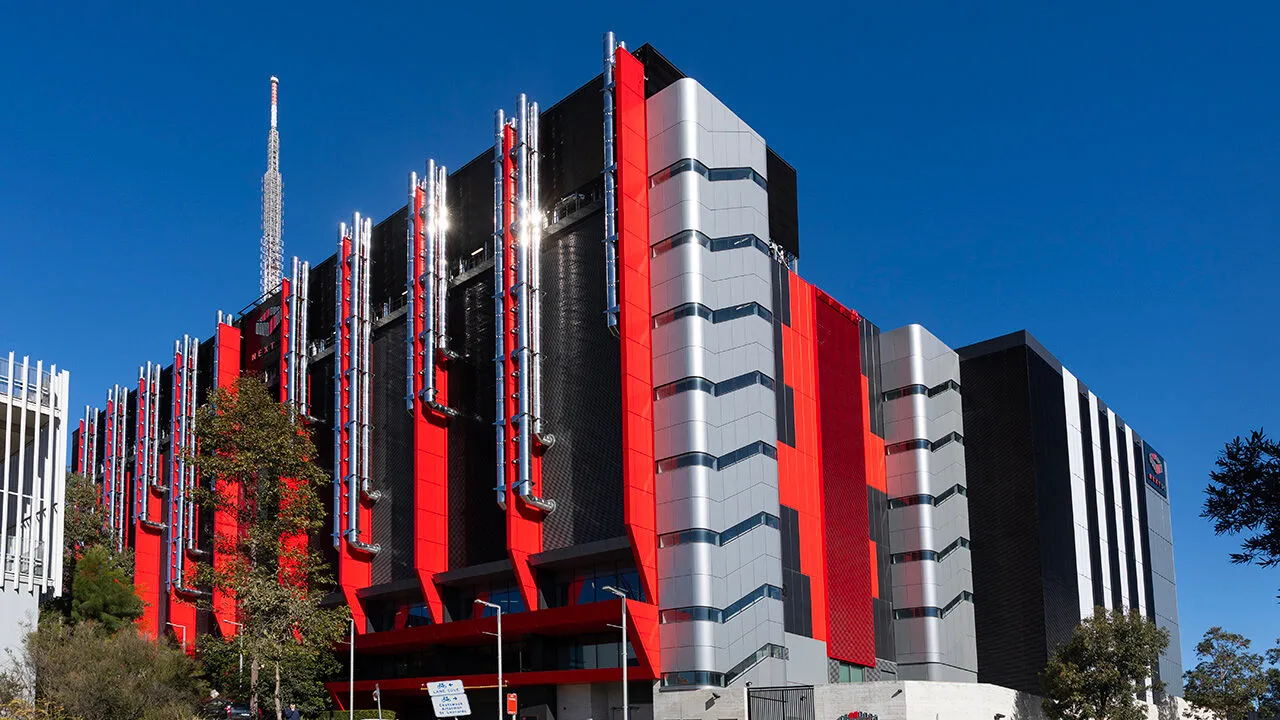
Image: Cover image supplied by Harbour Creative Blogs
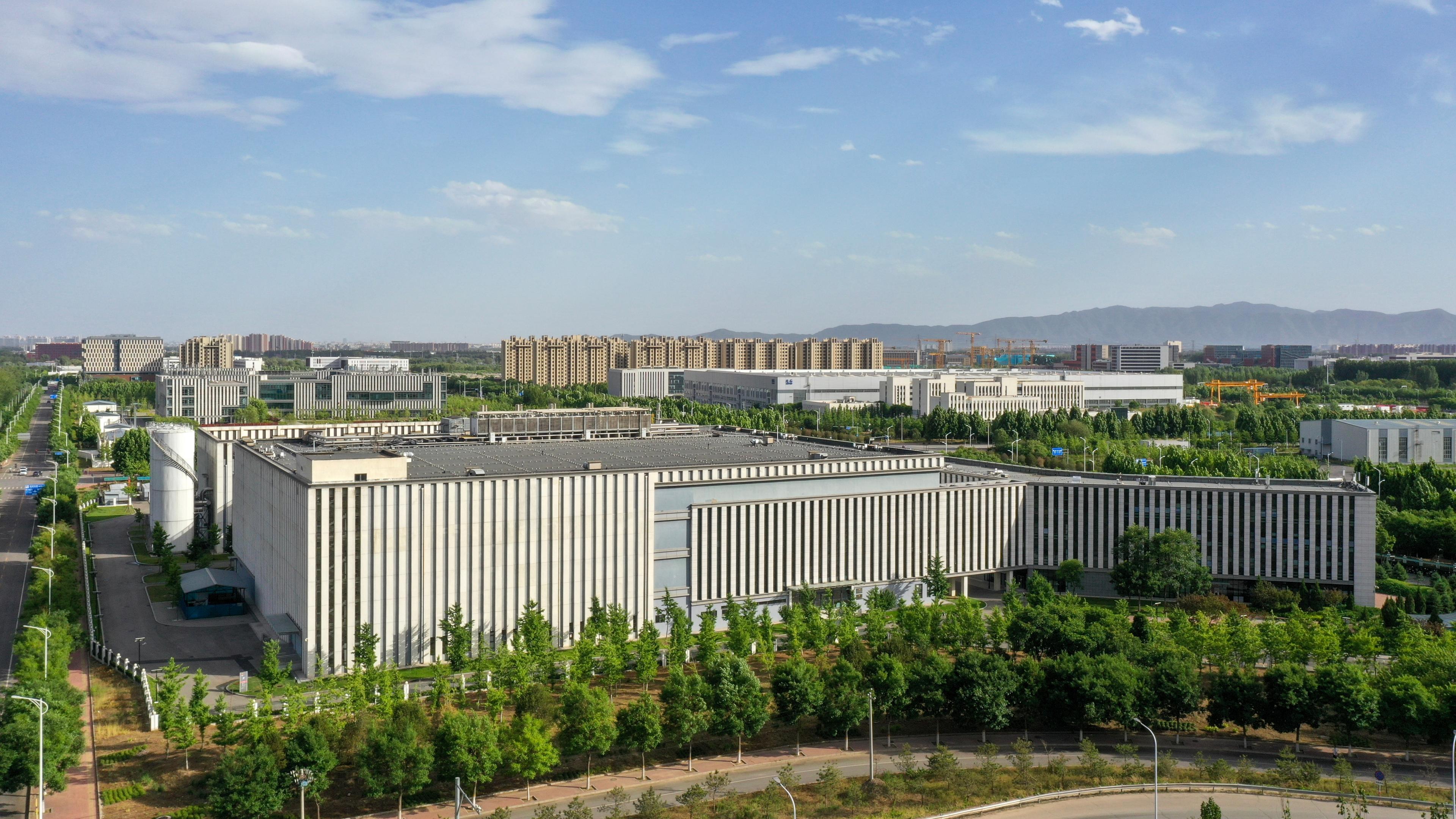
Artificial intelligence is often described as a software industry. Its physical infrastructure tells a more complicated story. Large data centres require electricity, cooling, land, fibre connections and equipment that can operate reliably for years.
Australia is attracting proposals for more computing capacity, but a proposed campus is not the same as an approved or operating facility. Even when a developer announces an ambitious investment figure, the details that matter to surrounding communities are often still subject to planning and grid assessments.
Why electricity is central to the argument
Servers draw power while working and must remain within safe operating temperatures. A large computing project can require significant additional grid connection capacity. Whether it creates extra pressure on local supply depends on the size of the project, the timing of connection, available generation, transmission and how the facility is operated.
AEMO publishes the Electricity Statement of Opportunities, including material on data-centre forecasting. These are planning assessments and projections, not guaranteed outcomes for every proposed development.
A gigawatt proposal is not a gigawatt in constant use
Public discussion sometimes confuses a project's announced maximum capacity with electricity consumed every hour. Actual demand depends on whether the project is built, how much is commissioned, equipment utilisation and cooling requirements.
An accurate report needs to distinguish proposed megawatts, approved connection capacity and measured consumption. Without that separation, even a precise-looking headline can give readers the wrong impression.
Water, heat and planning
Cooling methods vary. Some facilities rely more heavily on water, while others trade off water use against electricity and engineering cost. There is no meaningful single water-consumption number that describes every data centre.
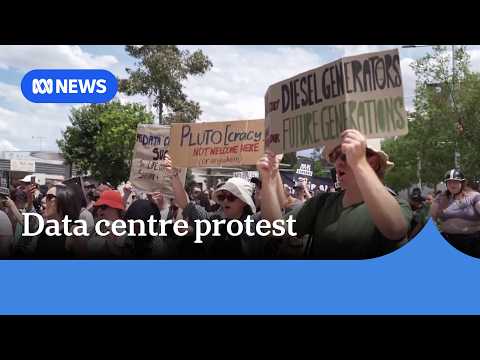
Communities reasonably want to know about noise, water sourcing, backup generation, land use and construction traffic. Developers should be able to explain what is proposed and what limits or conditions would apply. Local concern is not proof that a project has caused harm, but it is a reason to demand evidence before approval.
Who receives the benefits?
A facility may create construction work, permanent technical roles, local purchases and tax receipts. Those benefits should be assessed against the demands it places on infrastructure and the public investment that may be required to serve it.
Australia's AI ambitions will be easier to evaluate when projects disclose more than headline capital spending. A credible account needs operational data, grid planning, community consultation and clear responsibility for environmental impacts.
About this article
This article provides analysis and interpretation of available information. Sources and supporting material, where applicable, are linked within the article.
Found an error? Contact the editorial desk. See our editorial standards and corrections policy.
From the Harbour Creative Blogs archive
Keep exploring this story
Related reporting, people and places from our published coverage. These are editorial connections, not a popularity ranking.
Subject
AI infrastructure
The data centres, chips, electricity and investment behind advanced artificial intelligence.