Western Sydney Is Growing. The Hard Part Is Building the Everyday City
New homes and major infrastructure are remaking Sydney's west. Schools, local transport, medical services and neighbourhood streets will determine how the growth actually feels.
 Harbour Creative Team
2 min read
Harbour Creative Team2 min read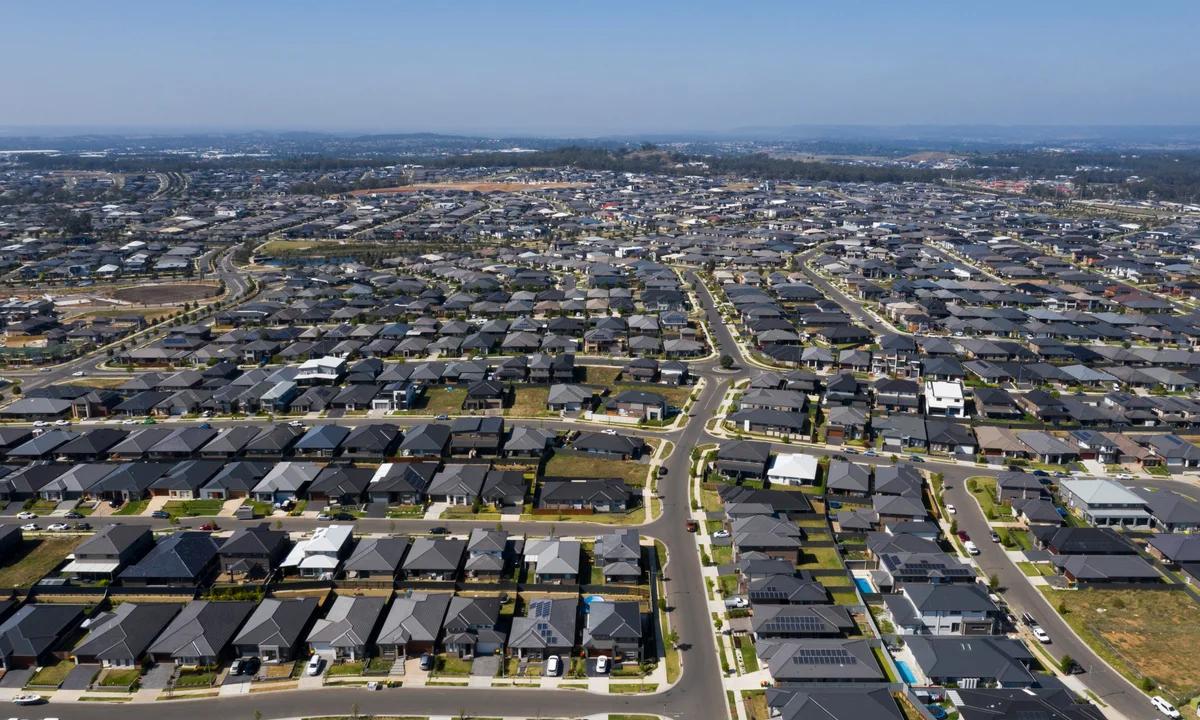
Western Sydney is frequently described through big projects: an airport, motorways, new neighbourhoods and large housing targets. Those projects matter. But the quality of an expanding city is often decided by smaller connections: a safe walking route to a bus stop, a school with capacity, a GP who can take patients and a shop that does not require another car journey.
The term Western Sydney covers very different settings. A family moving to an established street in Blacktown has different daily needs from someone buying into a developing precinct near the airport. Treating the region as one uniform housing market hides these distinctions.
A suburb is not finished when its houses are
Subdivision and home construction are visible signs of growth. Libraries, clinics, frequent buses, parks and shops can arrive according to different timetables. A new estate may be attractive on an artist's impression but remain dependent on a car for years.
Residents should ask which amenities are open, which are funded, which have development consent and which are simply proposed. These are different categories. For example, a school site reserved on a plan is not the same as an operating school with places available.
Two strategies with different consequences
In established centres such as Parramatta, Penrith and Liverpool, greater density can use existing rail and civic infrastructure, though building around busy streets requires careful management. At the metropolitan fringe, larger developments may offer more land but demand new roads and utilities.
The NSW Transport Oriented Development program is designed to enable more homes around transport. Its public figures refer to dwellings in the planning system, not all completed and occupied. The benefit depends on whether public spaces and services keep pace with residents.
What to investigate before moving
Check the council, not just the suburb name. Review the school enrolment boundary by exact address, current bus frequency after dark, nearest practical medical appointments and any construction access restrictions. If a property is described as 'near the new airport', establish the actual driving and public transport route.
For detailed starting points, see our guides to Liverpool, Camden, Penrith and Blacktown. The future of Western Sydney should be judged in completed neighbourhoods, not solely in hectares rezoned or homes announced.
Sources and method
This article is original desk analysis drawing on published data and official records. It does not claim first-hand interviews, site inspections or independently collected survey results. The figures and statements should be read against the linked source material.
About this article
This article provides analysis and interpretation of available information. Sources and supporting material, where applicable, are linked within the article.
Found an error? Contact the editorial desk. See our editorial standards and corrections policy.
From the Harbour Creative Blogs archive
Keep exploring this story
Related reporting, people and places from our published coverage. These are editorial connections, not a popularity ranking.
Local coverage
Sydney
The business, communities, housing, transport, sport and public decisions affecting metropolitan Sydney.
Organisation
NSW Government
Government decisions affecting services, planning and households across New South Wales.
Local coverage
Camden
Local developments across Camden and nearby communities.