Part 1 · Analysis
The $600 Million Superannuation Scandal: How Did First Guardian Fail?
More than 6,000 Australians invested in First Guardian, many with retirement savings. When withdrawals stopped, a troubling chain of unanswered questions began.
 Harbour Creative Team
6 min read
Harbour Creative Team6 min read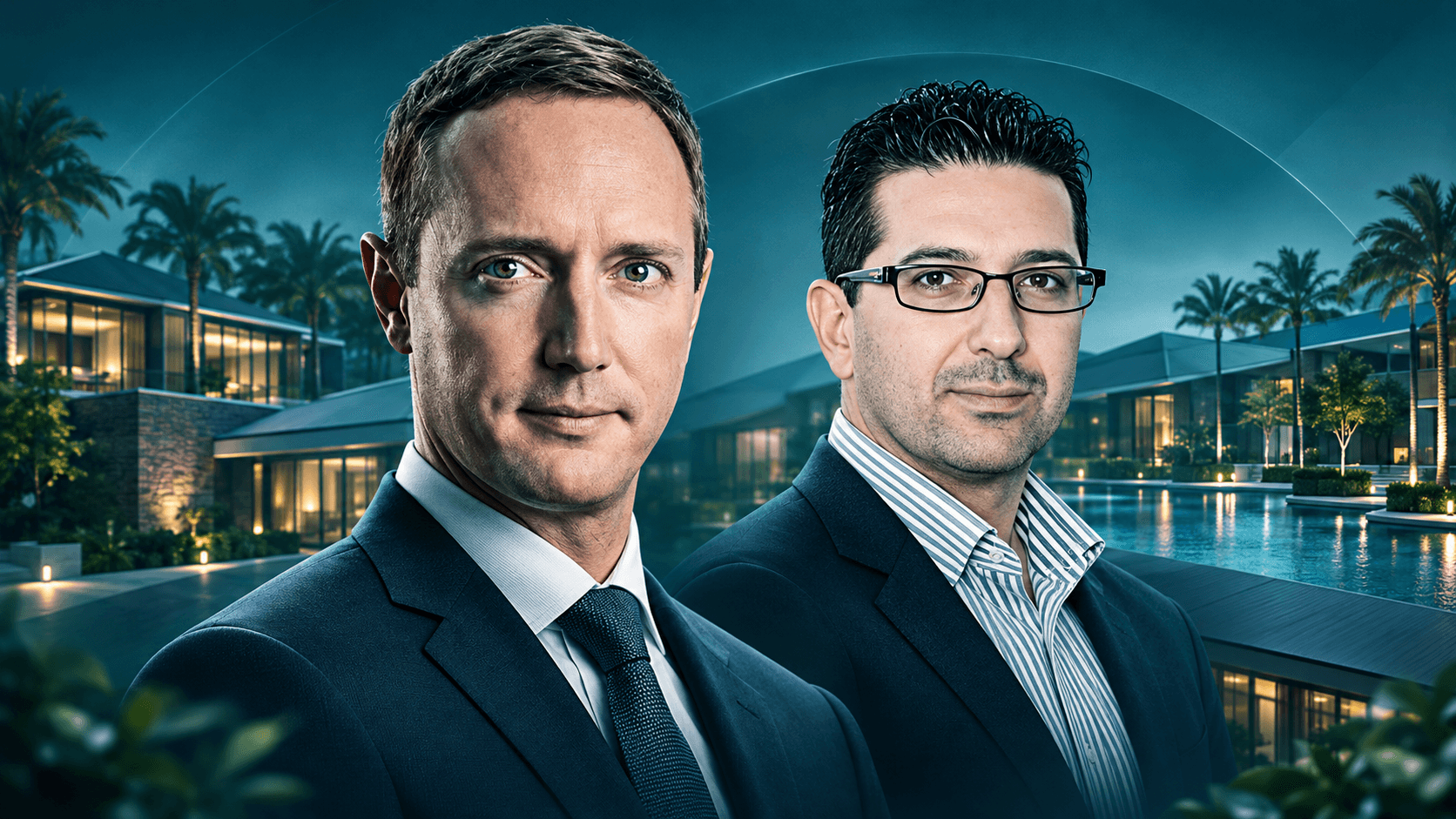
The $600 Million Superannuation Scandal — Part 1
Reporting reviewed through 12 November 2026. Figures are Australian dollars. Allegations, established court findings and estimated losses are identified separately.
Imagine finding out that the money you expected to support your retirement cannot be withdrawn. You have an account statement, a record of the investment and perhaps advice from a professional who helped you choose it. What you no longer have is a reliable date when you will see the money again.
That has been the central problem for thousands of Australians caught up in the First Guardian Master Fund.
According to Australia's corporate regulator, more than 6,000 people invested over $600 million in First Guardian, largely using retirement savings. When Falcon Capital, the company responsible for managing the fund, froze withdrawals in May 2024, people who believed their savings were invested for the future discovered that access to the money was no longer assured.
This is not a story about every superannuation fund in Australia. First Guardian was a particular managed investment scheme, available through certain advisers and platforms. Understanding how it operated matters, because the chain between an investor and the underlying assets involved more people than a single fund manager.
What was First Guardian?
First Guardian was a registered managed investment scheme. Its responsible entity, Falcon Capital Limited, was tasked with operating and managing the fund. Investors could gain exposure to First Guardian through superannuation platforms offering particular investment choices, typically with a financial adviser involved.
A super platform is an administrative and investment-access service. It may offer members a menu of investments, from conventional products to more specialised alternatives. The availability of a fund on a platform can appear reassuring, but the duties of a trustee and the risks of an underlying investment must be assessed separately.
ASIC's First Guardian case page identifies a broad regulatory investigation into fund management, financial advisers, the companies that authorised those advisers, platform trustees, auditors and marketing activity. This is why the story has no single simple explanation.
How the crisis became visible
The fund was established in 2019. Over several years, investment money was gathered while the fund invested into underlying structures. Then, in May 2024, Falcon Capital suspended the processing of applications and redemptions. Most investors could no longer withdraw their funds.
The suspension was described initially as temporary. It was not lifted.
In February 2025, ASIC obtained interim orders freezing assets of Falcon Capital, First Guardian and David Anderson, one of Falcon Capital's former senior officeholders. In April 2025, the Federal Court appointed Ross Blakeley and Paul Harlond of FTI Consulting as liquidators of Falcon Capital, with orders to wind up First Guardian and related funds.
Liquidation means investigating and realising available assets and distributing recoveries according to the applicable rules. It does not mean an investor automatically receives the balance shown on their last statement.
The regulator's chronology documents these milestones.
The Federal Court's orders and ASIC's proceedings are part of an ongoing process, not a finding that every allegation has been proved.
The numbers are alarming — but they describe different things
There are three figures that should never be treated as interchangeable:
| Figure | What it means |
|---|---|
| Over $600 million | Total money ASIC says more than 6,000 Australians invested in First Guardian |
| Around $270 million | Investments ASIC alleges Falcon Capital routed through unregistered underlying funds it controlled |
| Up to $446 million | Potential losses flagged by liquidators, cited by ASIC in its July 2026 audit proceedings |
The first is an amount invested over time. The second forms part of allegations about how fund money was managed. The third is an estimate of possible losses, not a final audited statement of what every investor has permanently lost.
A number of affected investors have already received compensation from a platform trustee. That is another reason it would be inaccurate to say that every dollar invested has disappeared.
Why are there allegations about fund management?
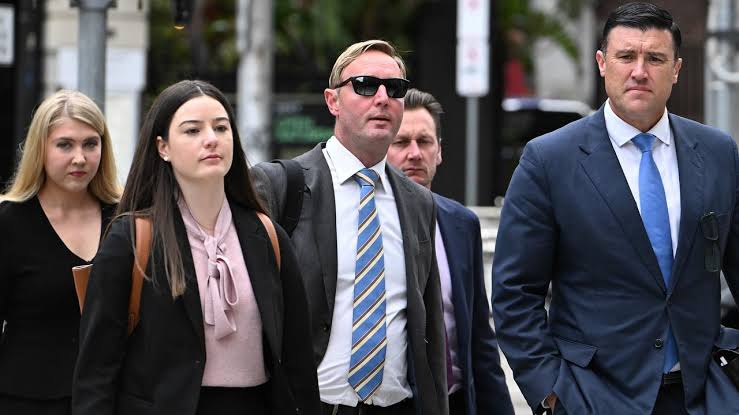
On 30 October 2026, ASIC announced civil penalty proceedings against former Falcon Capital managing director and chief executive David Anderson and former executive chairman and chief investment officer Simon Selimaj.
ASIC alleges widespread failures in the oversight of First Guardian, including inadequate due diligence, insecure or undocumented investments and conflicts of interest. The regulator says material amounts passed through underlying funds and into other ventures without appropriate safeguards.
Anderson and Selimaj face allegations in civil proceedings; the allegations must not be reported as established court findings. ASIC is seeking declarations, civil penalties and disqualification orders. It has also sought leave to proceed against Falcon Capital in liquidation.
ASIC's detailed statement of its allegations names the types of transactions it is examining. We follow that money in Part 2.
Who else was supposed to protect investors?
Fund operators make investment decisions, but trustees and advisers also have responsibilities. This is where the First Guardian story becomes a test of Australia's financial protections.
One important development is no longer merely an allegation: Netwealth admitted failures relating to its assessment of First Guardian, and the Federal Court made declarations of contraventions on 20 August 2026. Netwealth paid more than $100 million to over 1,000 affected members in January 2026 under an ASIC-accepted undertaking.
Other trustees are still defending proceedings. Outcomes for members who invested through those different platforms are not identical.
The distinction matters. The existence of a court finding against one entity is not proof that every related person breached the law.
ASIC's Netwealth announcement sets out the findings and compensation.
The questions investors still need answered
The urgent questions are not academic. They concern where the money went, what can be recovered, which businesses had obligations to intervene and whether people can regain savings intended to support decades of retirement.
The process is not finished. The liquidators have been investigating the financial position of the fund and its underlying investments. ASIC has pursued multiple court actions while also working to identify compensation avenues.
For anyone affected, the first step is to check the investor guidance and contact the liquidators, not to rely on rumours about recoveries. ASIC also urges investors to consider a complaint to the Australian Financial Complaints Authority before 30 June 2027, subject to the details of their circumstances.
This series will separate what the regulator alleges, what courts have decided and what investors can do. Because the question behind the $600 million figure is ultimately a personal one: who was supposed to protect this money, and why did those safeguards not work for everyone?
Next: Where Did Australians' Retirement Savings Really Go?.
Primary sources
About this article
This article provides analysis and interpretation of available information. Sources and supporting material, where applicable, are linked within the article.
Found an error? Contact the editorial desk. See our editorial standards and corrections policy.
From the Harbour Creative Blogs archive
Keep exploring this story
Related reporting, people and places from our published coverage. These are editorial connections, not a popularity ranking.
Subject
Superannuation
Australian retirement savings, investment risks and the protections available to investors.
Company
First Guardian
The Australian investment fund at the centre of scrutiny of superannuation losses, regulation and investor protection.
Organisation
Australian Securities and Investments Commission
Australia's corporate and financial services regulator, covering enforcement, consumers and investor protection.