The Healthcare Gap Between Australia's Cities and Regional Towns
Workforce shortages and long travel distances mean Australians do not have the same access to treatment simply because they share the same health system.
 Harbour Creative Team
2 min read
Harbour Creative Team2 min read
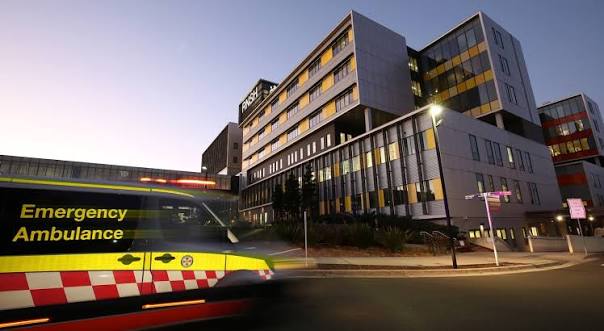
Image: Cover image supplied by Harbour Creative Blogs
A GP appointment, specialist consultation or diagnostic scan is a routine part of healthcare in many cities. In some regional and remote communities, obtaining the same service can require a long journey, extra time off work or a prolonged wait.
The Australian Institute of Health and Welfare's workforce reporting shows a persistent difference between places. In 2024, very remote areas had around 2.7 full-time-equivalent medical practitioners for every 1,000 people compared with 4.8 in major cities. That comparison is not the whole story, but it helps explain why geography still shapes access.
A workforce number is not an appointment
The number of clinicians in a region says little by itself about the next available appointment, whether a practice accepts new patients or how often a visiting specialist arrives. A community may have capable GPs and nurses yet still lack nearby pathology, imaging or specialist services.
The practical burden falls particularly hard on people who need recurring care. A one-off visit can mean fuel, accommodation and a day away from work; repeat appointments can turn those costs into a major household commitment.
Why attracting clinicians is difficult
Recruiting healthcare workers to smaller places can involve limited local training pathways, fewer colleagues in specialist disciplines and concerns about employment opportunities for partners. A hospital also needs an entire team. A surgeon without theatre staff or diagnostic support cannot simply recreate a large city's services.
Telehealth can help with suitable consultations, follow-ups and coordination, but not every examination, procedure or emergency can happen remotely. The quality of connectivity, private space and digital literacy also affects who benefits.
The difference within regional Australia
It would be wrong to treat every country town as equally underserved. Large regional centres often have hospitals, specialists and training facilities; much more remote communities face a different set of problems. Availability also varies by type of care, from maternity and mental health to cancer treatment.
A useful local guide should tell readers which service is actually available, what referral is needed and where to check current information, rather than merely name the closest hospital.
What would better access look like?
Workforce training, sustainable primary care, regional placements, patient travel support and reliable telehealth all contribute. None is a complete solution in isolation. Policies need to be measured by timely and appropriate treatment rather than by the number of programmes announced.
For someone deciding where to live, healthcare access belongs alongside housing affordability and transport. For governments, the central question is whether postcode still dictates how difficult it is to receive necessary care.
About this article
This article provides analysis and interpretation of available information. Sources and supporting material, where applicable, are linked within the article.
Found an error? Contact the editorial desk. See our editorial standards and corrections policy.
From the Harbour Creative Blogs archive
Keep exploring this story
Related reporting, people and places from our published coverage. These are editorial connections, not a popularity ranking.