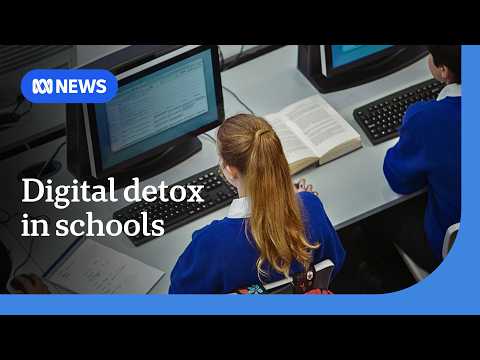
Are Australian Children Spending Too Much Time on Screens at School?
Australia's classroom digital detox debate is about more than device limits. The purpose of screen use, accessibility and learning outcomes all matter.
 Harbour Creative Team
2 min read
Harbour Creative Team2 min read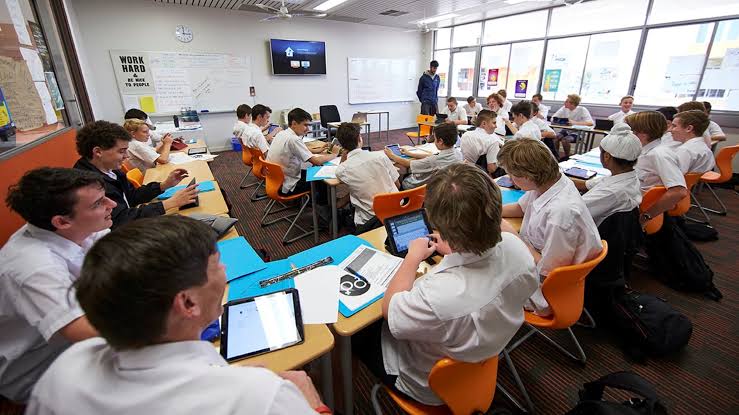
Image: Cover image supplied by Harbour Creative Blogs
Australian schools are being asked to reconsider how much time students spend using devices during lessons. The debate is often framed as a choice between screens and paper. The more useful question is what children are actually learning when technology is placed in front of them.
The federal government's Digital Detox paper, published on 4 November 2026, calls for technology to support learning rather than replace the effort required to develop knowledge and skills. Education ministers have discussed measures to reduce excessive screen use and restrict certain uses of generative AI.
Not all screen use is equal
Watching an unrelated video, practising mathematics with accessible software and researching a primary source are different activities. Measuring each as identical minutes in front of a screen misses the educational purpose.
University of Sydney education specialists argue that restrictions need to distinguish passive use from constructive learning. They also warn that students with limited technology at home may depend on school access.
Why handwriting is back in the discussion
Writing by hand can support certain learning and assessment tasks. It also reduces the ease with which a digital tool can complete an assignment without the student demonstrating their understanding.
But a return to exercise books cannot replace digital literacy. Students still need to know how to check information, understand the limitations of AI systems and use technology responsibly. Teaching those skills is itself part of education.
Accessibility must be built in
Some students use text-to-speech, digital communication devices or other assistive technologies. A blanket ban that ignores disability adjustments could make school less accessible. Teachers must retain a way to choose tools that help a student participate and show what they know.
Equity also matters. The school device may be a child's most reliable access to software, online information or specialist support.
How to tell whether a policy works
Schools should ask what changed in attention, understanding, assessment and student wellbeing, using reliable evidence rather than assuming that fewer screens automatically means better results. Teachers need training and practical guidance; otherwise, policy can become an additional administrative burden.
Parents can ask straightforward questions: why is this device being used, what skill is it teaching and what happens when a student would learn better without it?
The best classroom approach is not technological enthusiasm or rejection. It is deliberate teaching in which the tools remain subordinate to the lesson.
About this article
This article provides analysis and interpretation of available information. Sources and supporting material, where applicable, are linked within the article.
Found an error? Contact the editorial desk. See our editorial standards and corrections policy.
From the Harbour Creative Blogs archive
Keep exploring this story
Related reporting, people and places from our published coverage. These are editorial connections, not a popularity ranking.