The October Trade Frenzy: How Post-Season Moves are Reshaping the NRL and AFL for 2027
October is the month of off-field drama. We dive deep into the current trade periods, massive moves like Spencer Leniu to the Eels, and the looming shadow of the Tasmania Devils.
 Harbour Creative Team
3 min read
Harbour Creative Team3 min read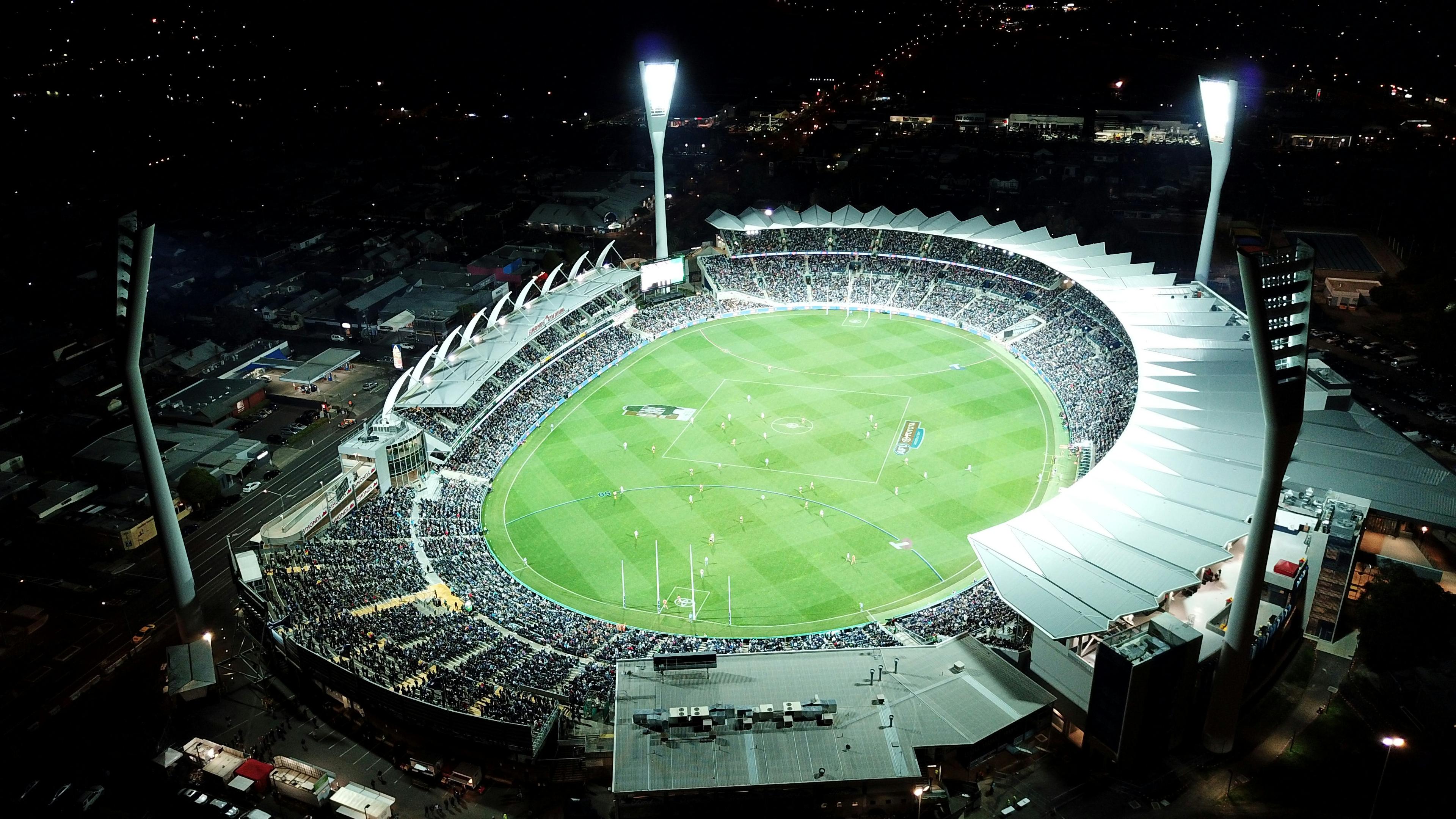
The siren may have sounded on the 2026 seasons, but for the powerbrokers of the NRL and AFL, the real games have just begun.
October in Australian sports is a unique beast. It is the month where loyalties are tested, multi-million dollar contracts are drafted in dimly lit boardrooms, and fans are subjected to an emotional rollercoaster of rumors, leaks, and shock departures. The trade and free agency periods are no longer just an off-season administrative necessity; they are a spectator sport in their own right.
NRL: The Eels Make Their Move
In the NRL, the fallout from the Grand Final is still settling, but the Parramatta Eels are refusing to waste a single second. The appointment of Mike Rush as the new CEO signaled a drastic shift in the club's philosophy, but their actions in the player market have spoken even louder.
The acquisition of star forward Spencer Leniu on a massive four-year deal is a statement of intent. Leniu brings a raw, aggressive, and premiership-winning pedigree to an Eels pack that has, at times, lacked the killer instinct required in September.
This isn't just about plugging a hole in the roster; it’s about cultural transformation. The Eels are sending a clear message to the rest of the league: the rebuilding phase is over. However, integrating a high-profile recruit into a highly scrutinized club comes with immense pressure. The fans expect immediate returns, and the spotlight on Leniu in 2027 will be blinding.
AFL: The Shadow of the Devils
While the NRL focuses on immediate premiership windows, the AFL trade period is being completely overshadowed by an impending storm: the Tasmania Devils.
Set to debut in 2028, the Devils are already causing absolute chaos in list management offices across the country. Club lists managers are no longer just building for 2027; they are desperately trying to future-proof their rosters against the massive war chest the AFL will inevitably hand to its newest franchise.
We are seeing this play out in real-time. Rumors swirling around the Gold Coast Suns' young midfield bull, Alex Davies, are just the tip of the iceberg. Clubs know that uncontracted talent, particularly those with ties to Tasmania or a desire for leadership roles, are prime targets for the incoming franchise.
This is leading to a strange phenomenon: clubs are overpaying to secure long-term extensions for mid-tier players simply to protect them from the Devils' poachers. The trade period has shifted from an offensive strategy to a highly defensive one.
The Human Cost of the Business
Amidst the salary cap maneuvering and the strategic posturing, it is easy to forget the human element. The October trade frenzy demands that players uproot their lives, relocate their families, and rebuild their professional identities, often with only a few days' notice.
We celebrate the blockbuster trades, but rarely do we see the stress of a player waiting for a phone call that determines what state they will live in next year.
As we look toward 2027, the landscape of both codes has fundamentally shifted. The teams that hoist the trophies next year won't just be the ones who played the best football; they will be the ones who navigated the cutthroat, unforgiving business of October.
About this article
This article is published by Harbour Creative Blogs. Sources and supporting material, where applicable, are linked within the article.
Found an error? Contact the editorial desk. See our editorial standards and corrections policy.
From the Harbour Creative Blogs archive
Keep exploring this story
Related reporting, people and places from our published coverage. These are editorial connections, not a popularity ranking.
Organisation
Australian Football League
Australian rules football competition and the growing women's league.
Organisation
National Rugby League
Australia's national rugby league competition and its clubs.